Zithromax (Zithromax, Z-Pak, Tri-Pak, Zmax)
General Health Treatment
The definitive medical guide to Zithromax (Azithromycin): clinical applications for respiratory and atypical infections, the famous Z-Pak dosing regimen, and critical safety warnings regarding QT prolongation.
 PharmacyChecker
 Amazon Pharmacy
 Blink Health
 GoodRx
 Costco Pharmacy
Table of Contents
Zithromax Product Information
What is Zithromax (Azithromycin)?
Zithromax, widely known by its generic name azithromycin, is a highly potent and frequently prescribed antibiotic belonging to the macrolide class. Discovered in 1980 by a team of Croatian researchers at the pharmaceutical company Pliva, it was later licensed to Pfizer, who brought it to the global market. Azithromycin represents a significant structural evolution from older macrolides like erythromycin. By incorporating a methyl-substituted nitrogen atom into the macrolide lactone ring, scientists created an 'azalide'—a subclass of macrolides that boasts superior tissue penetration, a vastly extended half-life, and a broader spectrum of antibacterial activity.
The mechanism of action of azithromycin is fundamentally different from beta-lactam antibiotics like amoxicillin. Instead of destroying the bacterial cell wall, azithromycin targets the bacteria's internal machinery, specifically its ability to synthesize proteins. It achieves this by binding reversibly to the 50S ribosomal subunit of susceptible microorganisms. The ribosome is the cellular factory where amino acids are linked together to form proteins. By binding to the 50S subunit, azithromycin physically blocks the nascent peptide exit tunnel, preventing the elongation of the protein chain. Without the ability to manufacture essential proteins, the bacteria cannot grow, reproduce, or maintain vital cellular functions.
Because it primarily halts bacterial growth rather than immediately killing the cell, azithromycin is generally classified as a bacteriostatic antibiotic. However, at high concentrations and against certain highly susceptible organisms (like Streptococcus pneumoniae or Haemophilus influenzae), it can exhibit bactericidal (cell-killing) activity. Its unique pharmacokinetic profile allows it to accumulate in high concentrations within white blood cells (macrophages and polymorphonuclear leukocytes), which then transport the antibiotic directly to the site of infection, releasing it slowly over time.
FDA-Approved Uses and Clinical Indications
The FDA has approved Zithromax (azithromycin) for a wide variety of mild to moderate bacterial infections. Its convenient dosing schedule (often just 3 to 5 days) and excellent tissue penetration make it a highly favored option in outpatient settings.
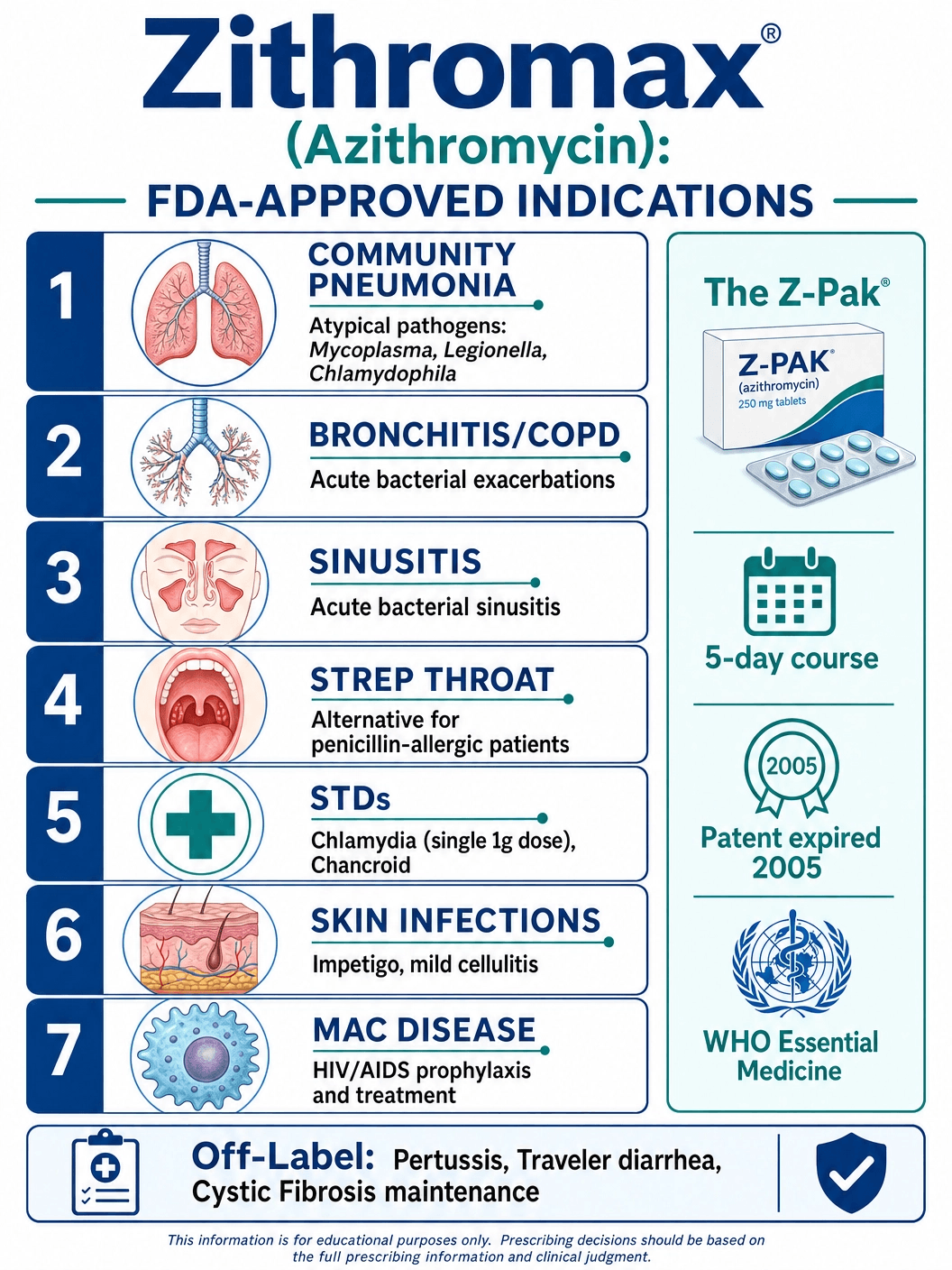
Respiratory Tract Infections: Azithromycin is a cornerstone treatment for both upper and lower respiratory tract infections. It is frequently prescribed for acute bacterial exacerbations of chronic obstructive pulmonary disease (COPD) and acute bacterial sinusitis. It is also a first-line treatment for community-acquired pneumonia (CAP) caused by atypical pathogens such as Mycoplasma pneumoniae, Chlamydophila pneumoniae, and Legionella pneumophila—organisms that lack a traditional cell wall and are therefore naturally resistant to beta-lactam antibiotics like amoxicillin.
Streptococcal Pharyngitis and Tonsillitis: While penicillin or amoxicillin remains the absolute first-line treatment for 'strep throat' (caused by Streptococcus pyogenes), azithromycin is an FDA-approved, highly effective alternative for patients who have a severe, documented allergy to penicillin.
Sexually Transmitted Infections (STDs): Azithromycin plays a critical role in sexual health. A single, large dose (typically 1 gram) is highly effective and FDA-approved for the treatment of uncomplicated genital ulcer disease (chancroid) caused by Haemophilus ducreyi, and non-gonococcal urethritis and cervicitis caused by Chlamydia trachomatis. Historically, it was also used in combination with ceftriaxone for gonorrhea, though rising resistance has altered recent CDC guidelines.
Skin and Skin Structure Infections: It is approved for uncomplicated skin infections, such as impetigo or mild cellulitis, particularly when caused by susceptible strains of Staphylococcus aureus, Streptococcus pyogenes, or Streptococcus agalactiae.
Mycobacterium avium complex (MAC): In patients with advanced HIV/AIDS whose immune systems are severely compromised, azithromycin is used both for the prevention (prophylaxis) and treatment of disseminated MAC disease, a serious opportunistic infection.
Off-Label Uses and Emerging Applications
Physicians frequently utilize azithromycin for conditions outside its official FDA labeling, relying on clinical experience, emerging research, and established medical guidelines.
Traveler's Diarrhea: For individuals traveling to regions where bacterial gastroenteritis is common, azithromycin is often prescribed as a highly effective treatment for severe traveler's diarrhea, particularly when caused by fluoroquinolone-resistant strains of Campylobacter or Shigella.
Pertussis (Whooping Cough): Azithromycin is considered a first-line agent for the treatment of pertussis, as well as for post-exposure prophylaxis in individuals who have been in close contact with an infected person. Its use helps eradicate the Bordetella pertussis bacteria from the nasopharynx, reducing the severity of the illness and preventing transmission.
Anti-inflammatory Properties in Chronic Lung Disease: Beyond its antibacterial effects, azithromycin possesses unique, potent anti-inflammatory and immunomodulatory properties. It is increasingly used off-label as a long-term, low-dose maintenance therapy for patients with cystic fibrosis (CF) and non-CF bronchiectasis. In these patients, it helps reduce the frequency of pulmonary exacerbations, decreases mucus production, and improves overall lung function, independent of its direct antibiotic action.
Understanding Side Effects and Serious Risks
While azithromycin is generally well-tolerated, its use is associated with several potential side effects, some of which can be severe or life-threatening.
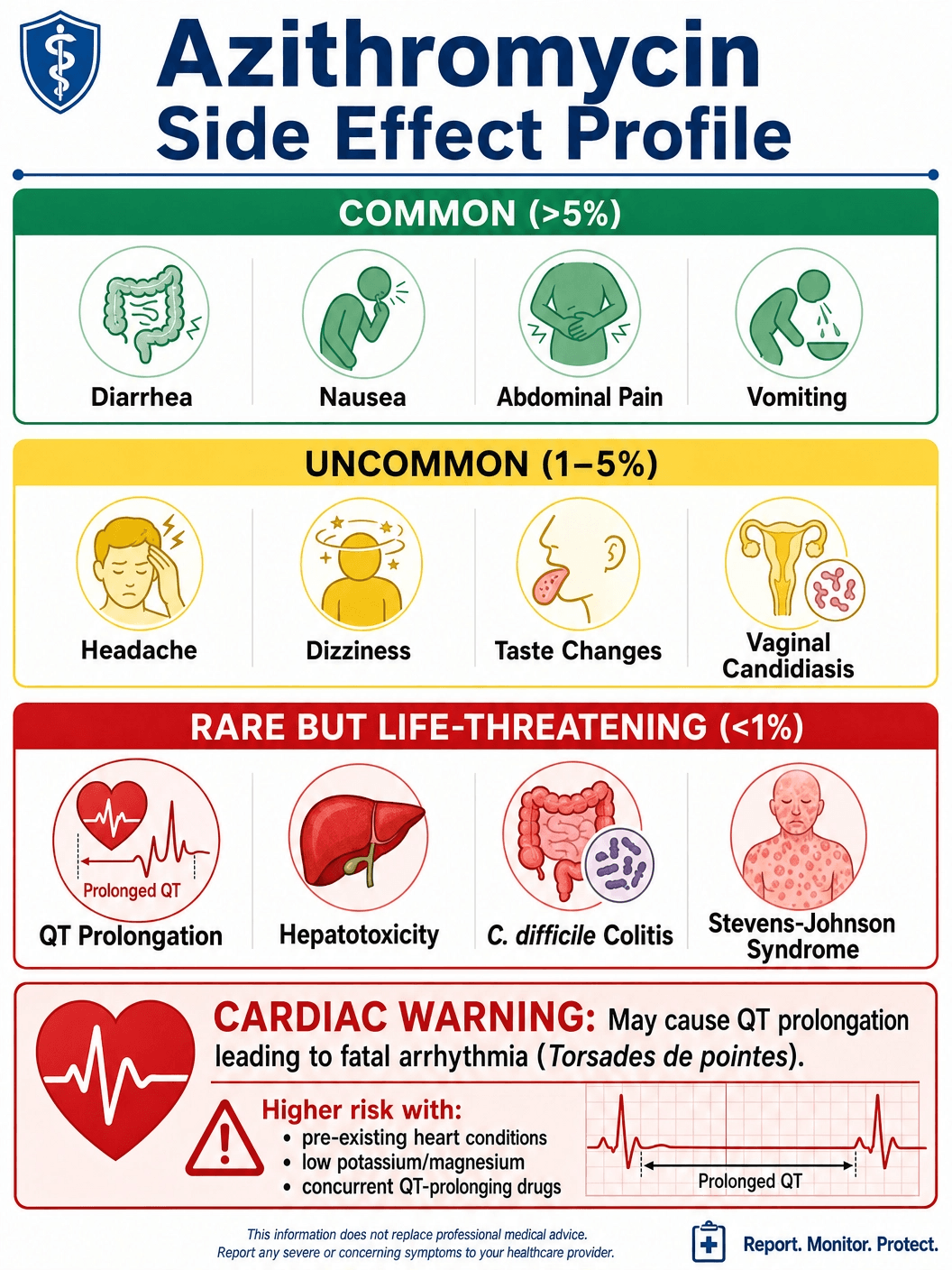
Gastrointestinal Disturbances: As with most oral antibiotics, the most frequently reported side effects are gastrointestinal. These include nausea, vomiting, abdominal pain, and diarrhea. These symptoms occur because the antibiotic disrupts the normal, healthy bacteria in the gut. Taking the medication with food can sometimes help alleviate mild nausea, though patients should check specific formulation instructions (e.g., some extended-release suspensions must be taken on an empty stomach).
Cardiovascular Risks (QT Prolongation): A critical and potentially fatal risk associated with azithromycin (and other macrolides) is its potential to affect the heart's electrical system. Azithromycin can prolong the QT interval on an electrocardiogram (ECG). This prolongation increases the risk of developing a rare but life-threatening irregular heart rhythm known as Torsades de pointes, which can lead to sudden cardiac arrest. This risk is significantly higher in patients with pre-existing known QT prolongation, a history of arrhythmias, uncorrected low blood potassium or magnesium levels, clinically significant bradycardia (slow heart rate), or those taking other medications known to prolong the QT interval.
Hepatotoxicity (Liver Damage): Abnormal liver function, hepatitis, cholestatic jaundice, hepatic necrosis, and even hepatic failure have been reported, some of which have resulted in death. Patients should immediately discontinue azithromycin and contact a doctor if they develop signs of liver problems, such as profound fatigue, severe abdominal pain, dark urine, or yellowing of the skin or eyes (jaundice).
Severe Allergic Reactions: Although rare, serious allergic reactions, including angioedema, anaphylaxis, and severe cutaneous adverse reactions (SCARs) like Stevens-Johnson Syndrome (SJS) and Toxic Epidermal Necrolysis (TEN), have occurred. Notably, allergic symptoms may recur even after the initial successful treatment of the allergic reaction, due to the drug's long half-life in the body's tissues.
Clostridioides difficile-Associated Diarrhea (CDAD): Like nearly all antibacterial agents, azithromycin alters the normal flora of the colon, which can lead to the overgrowth of C. difficile. This can cause diarrhea ranging in severity from mild to fatal colitis. CDAD must be considered in all patients who present with severe diarrhea following antibiotic use.
Contraindications and Drug Interactions
Azithromycin is strictly contraindicated in patients with a known hypersensitivity to azithromycin, erythromycin, or any other macrolide or ketolide antibiotic. It is also contraindicated in patients with a history of cholestatic jaundice or hepatic dysfunction associated with prior use of azithromycin.
Key Drug Interactions:
- Antacids: Aluminum and magnesium-containing antacids can reduce the peak serum concentration of azithromycin. If both are required, azithromycin should be taken at least 1 hour before or 2 hours after the antacid.
- QT Prolonging Drugs: Concurrent use with other drugs that prolong the QT interval (e.g., Class IA and III antiarrhythmics like amiodarone or sotalol, certain antipsychotics like pimozide, and certain antidepressants) is highly dangerous and should be avoided due to the compounded risk of fatal arrhythmias.
- Warfarin: Azithromycin may potentiate the effects of oral anticoagulants like warfarin, increasing the risk of bleeding. Prothrombin time (INR) should be carefully monitored if these drugs are used together.
- Digoxin and Colchicine: Macrolides can increase the serum concentrations of digoxin and colchicine, potentially leading to toxicity. Clinical monitoring is required.
Available Dosages and Administration Guidelines
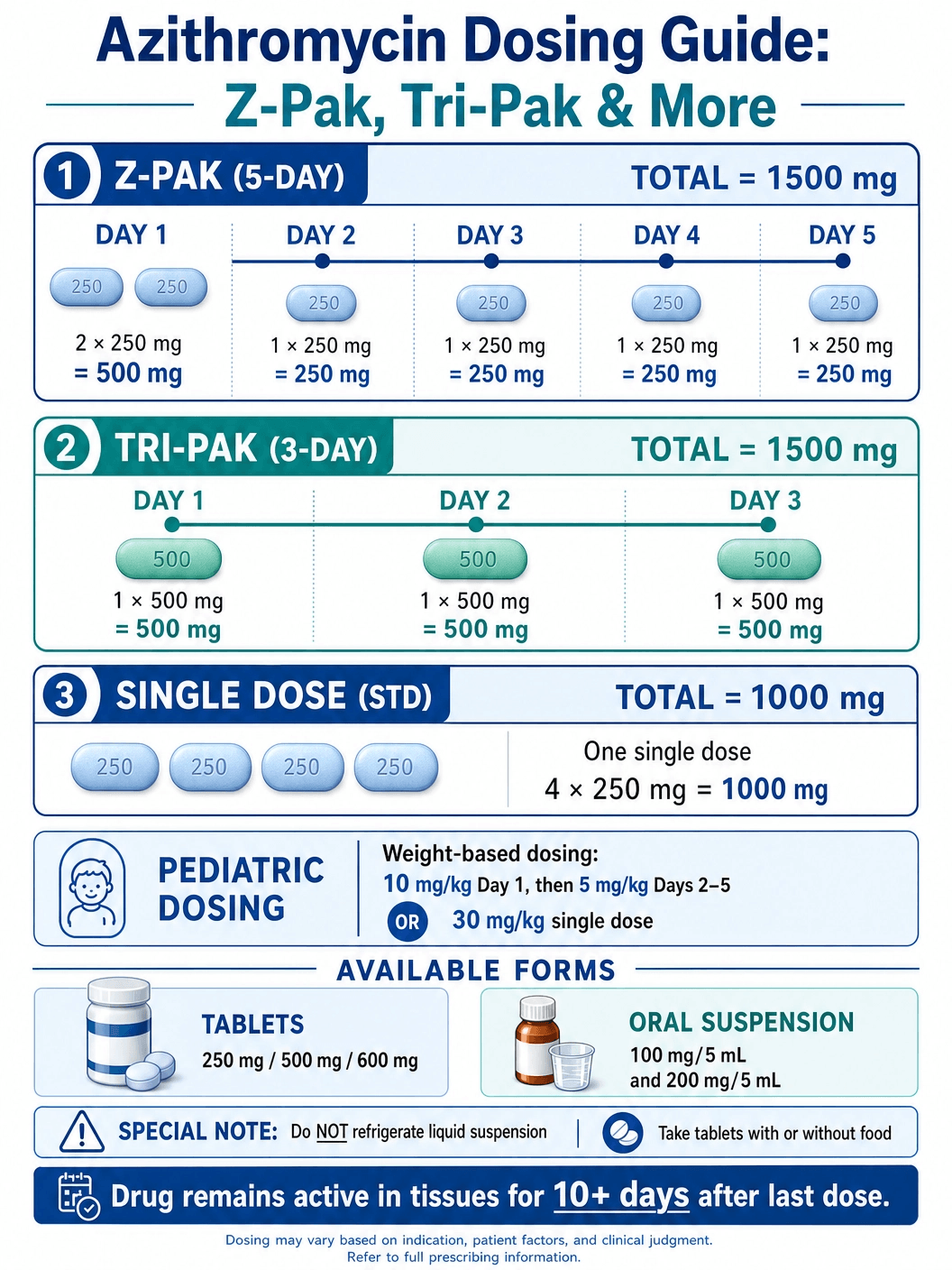
Azithromycin is available in several formulations, including oral tablets (typically 250 mg, 500 mg, and 600 mg), powder for oral suspension (liquid, often 100 mg/5 mL or 200 mg/5 mL), and an intravenous (IV) formulation for severe hospital-based infections.
The most famous and widely recognized dosing regimen for azithromycin is the 'Z-Pak' (Zithromax Z-Pak), a convenient 5-day course designed to maximize compliance.
The Z-Pak (5-Day Regimen)
The Z-Pak is typically prescribed for mild to moderate respiratory tract infections (like bronchitis or community-acquired pneumonia) and uncomplicated skin infections. The regimen consists of six 250 mg tablets.
Day 1: Take two 250 mg tablets (500 mg total) as a single dose.
Days 2 through 5: Take one 250 mg tablet daily.
This front-loaded dosing strategy (a 'loading dose' on day one) rapidly achieves therapeutic concentrations in the tissues, while the long half-life of the drug ensures that antibacterial activity continues for several days even after the 5-day course is completed.
The Tri-Pak (3-Day Regimen)
For certain conditions, such as acute bacterial exacerbations of COPD or mild community-acquired pneumonia, a 3-day regimen may be prescribed. This typically involves taking one 500 mg tablet daily for three consecutive days. This provides the same total dose (1500 mg) as the Z-Pak but over a shorter duration.
Single-Dose Regimens
For the treatment of specific sexually transmitted infections, particularly uncomplicated Chlamydia trachomatis urethritis or cervicitis, the standard treatment is a massive, single dose of 1000 mg (1 gram) of azithromycin. This single-dose therapy is highly advantageous for ensuring 100% patient compliance in treating STDs.
Pediatric Dosing (Weight-Based)
For children, azithromycin is almost always administered as an oral suspension. The dosage is strictly calculated based on the child's weight. For acute otitis media, common regimens include a single dose of 30 mg/kg, a 3-day regimen of 10 mg/kg once daily, or a 5-day regimen (10 mg/kg on day 1, followed by 5 mg/kg on days 2-5). The specific regimen chosen depends on the physician's assessment and the child's ability to tolerate the medication.
Generic vs. Brand Name Zithromax
Zithromax was a blockbuster drug for Pfizer, generating billions in revenue before its patent expired in 2005. Today, generic azithromycin is widely available and is the standard of care dispensed by pharmacies.
Bioequivalence: Generic azithromycin is strictly regulated by the FDA (and equivalent international bodies) to ensure it is bioequivalent to the brand-name Zithromax. This means the generic version contains the exact same active ingredient, is absorbed into the bloodstream at the same rate, and provides the identical clinical efficacy and safety profile as the original Pfizer product.
The 'Z-Pak' Branding: While 'Z-Pak' is a registered trademark of Pfizer, the term has become somewhat genericized in common parlance. When a doctor prescribes a 'Z-Pak', the pharmacy will almost certainly dispense a generic 5-day azithromycin dose pack, which functions identically to the brand-name version but at a fraction of the cost.
Purchasing Zithromax: Cost, Insurance, and Legal Acquisition
Azithromycin is a prescription-only antibiotic. It cannot be legally or safely purchased over-the-counter. A proper medical evaluation is required to determine if the infection is bacterial (rather than viral) and if azithromycin is the appropriate agent.
Cost and Insurance: Because it is available as a generic, azithromycin is highly affordable. A standard 5-day generic dose pack often costs less than $15 to $20 at most pharmacies, even without insurance, when using a discount card. It is universally covered by commercial health insurance, Medicare, and Medicaid, typically falling under the lowest copay tier.
Avoiding Counterfeits: Patients should only obtain azithromycin from licensed, reputable brick-and-mortar pharmacies or verified, certified online pharmacies. Purchasing antibiotics from unverified international websites carries a severe risk of receiving counterfeit medication, which may contain no active ingredient, incorrect dosages, or dangerous contaminants.
The Pharmacokinetics of Azithromycin: The Tissue Targeting Advantage
The clinical success of azithromycin, particularly its short dosing schedules, is entirely due to its unique pharmacokinetic properties.
Tissue Distribution: Unlike beta-lactam antibiotics which remain largely in the blood serum, azithromycin rapidly leaves the bloodstream and aggressively penetrates human tissues. It achieves concentrations in tissues (such as the lungs, tonsils, and prostate) that are 10 to 100 times higher than the concentrations found in the blood serum. This means the drug concentrates exactly where the infection is located.
Phagocyte Transport: Azithromycin is actively taken up by phagocytes (white blood cells like macrophages). When these immune cells travel to the site of an infection to fight invading bacteria, they carry the azithromycin with them, effectively delivering the antibiotic directly to the battlefield. Once at the site of infection, the phagocytes slowly release the drug.
Extended Half-Life: Because it is sequestered in the tissues and slowly released, azithromycin has an exceptionally long terminal elimination half-life of approximately 68 hours. This is why a 5-day Z-Pak provides enough medication to continue fighting the infection for up to 10 days. The drug remains active in the tissues long after the patient has swallowed the final pill.
Azithromycin and Antibiotic Resistance
The widespread, and sometimes inappropriate, use of azithromycin (particularly the ubiquitous Z-Pak) has led to a significant increase in macrolide-resistant bacteria.
Mechanisms of Resistance: Bacteria develop resistance to azithromycin primarily through two mechanisms. The first is target site modification: the bacteria alter the structure of their 50S ribosome (often via the erm gene), preventing the azithromycin from binding. The second is active efflux: the bacteria develop 'pumps' (via the mef gene) that actively spit the antibiotic back out of the cell before it can reach the ribosome.
Clinical Impact: Resistance rates among Streptococcus pneumoniae (a major cause of pneumonia and ear infections) have risen dramatically. Consequently, azithromycin is no longer recommended as a standalone first-line treatment for community-acquired pneumonia in areas with high macrolide resistance rates, unless the patient has specific risk factors or allergies. This underscores the critical importance of antibiotic stewardship—using azithromycin only when a bacterial infection is confirmed and it is the most appropriate agent.
Azithromycin in Pregnancy and Breastfeeding
Azithromycin is generally considered safe for use during pregnancy and lactation when clinically indicated.
Pregnancy: The FDA classifies azithromycin as a Pregnancy Category B medication. Animal reproduction studies have not demonstrated evidence of harm to the fetus. While adequate and well-controlled studies in pregnant women are lacking, extensive clinical experience has not linked azithromycin to an increased risk of major birth defects or miscarriage. It is frequently used to treat chlamydia infections in pregnant women to prevent transmission to the newborn.
Breastfeeding: Azithromycin is excreted into human breast milk. However, because it is generally considered safe for direct administration to infants (e.g., for ear infections), its use in nursing mothers is usually considered acceptable. The most common risk to the nursing infant is a mild disruption of gut flora, potentially causing temporary diarrhea. Mothers should consult their pediatrician, but breastfeeding is rarely contraindicated when azithromycin is required.
Government and Regulatory Resources
For authoritative, up-to-date information regarding Zithromax (azithromycin), its approved uses, safety warnings, and clinical guidelines, please consult the following official resources:
- FDA Prescribing Information for Zithromax - The official, comprehensive label detailing indications, warnings (including QT prolongation), and clinical pharmacology.
- CDC STI Treatment Guidelines - Official recommendations for the use of azithromycin in treating sexually transmitted infections.
- Mayo Clinic: Azithromycin (Oral Route) - Detailed patient education on uses, side effects, and precautions.
- NCBI StatPearls: Macrolides - A detailed clinical and pharmacological overview of the macrolide class for healthcare professionals.
Editorial Review & Medical Sources
This guide is for informational purposes and does not constitute medical advice. Content is based on clinical data from the FDA, the Centers for Disease Control and Prevention (CDC), and the Mayo Clinic. Medical Reviewer: Dr. Sanjai Sinha, MD. Primary Sources: FDA Prescribing Information, StatPearls Clinical Database (NCBI).
Azithromycin in the Era of COVID-19: A Retrospective
During the early, chaotic months of the COVID-19 pandemic in 2020, azithromycin was thrust into the global spotlight. It was frequently prescribed alongside hydroxychloroquine as an experimental treatment for the novel coronavirus. The rationale behind this off-label use was twofold: first, to prevent secondary bacterial pneumonias that often complicate severe viral respiratory infections; and second, due to preliminary, in-vitro (test tube) data suggesting that azithromycin's immunomodulatory and anti-inflammatory properties might help calm the 'cytokine storm' associated with severe COVID-19.
However, as rigorous, large-scale randomized controlled trials (such as the RECOVERY trial in the UK) were completed, the data became clear. Azithromycin did not improve clinical outcomes, reduce hospital stays, or lower mortality rates in patients hospitalized with COVID-19. Furthermore, the combination of azithromycin and hydroxychloroquine significantly increased the risk of severe QT prolongation and fatal cardiac arrhythmias. Consequently, major health organizations, including the NIH and the WHO, strongly recommended against the use of azithromycin for the treatment of COVID-19 unless a clear, secondary bacterial infection was confirmed. This episode serves as a powerful reminder of the importance of evidence-based medicine and the dangers of widespread empirical antibiotic use during viral pandemics.
The Role of Azithromycin in Cystic Fibrosis
Cystic fibrosis (CF) is a genetic disorder characterized by the production of thick, sticky mucus that clogs the lungs, leading to chronic, severe respiratory infections and progressive lung damage. While azithromycin is an antibiotic, its role in CF management is largely independent of its ability to kill bacteria.
Immunomodulation and Anti-inflammatory Effects: In patients with CF, the immune system's response to chronic infection is often hyperactive and destructive, contributing to lung tissue damage. Azithromycin has been shown to possess potent immunomodulatory effects. It alters the function of macrophages and neutrophils (types of white blood cells), reducing the production of pro-inflammatory cytokines (like IL-8). This dampens the destructive inflammatory response in the lungs.
Biofilm Disruption: Many bacteria that infect CF lungs, particularly Pseudomonas aeruginosa, form biofilms—thick, protective slime layers that make them highly resistant to traditional antibiotics and the immune system. While azithromycin does not kill Pseudomonas directly, research indicates it can inhibit the bacteria's ability to form these biofilms and may even disrupt existing ones, making the bacteria more susceptible to other inhaled or intravenous antibiotics.
Clinical Outcomes: Based on these properties, clinical guidelines strongly recommend the long-term, chronic use of azithromycin (typically taken three times a week) for CF patients aged 6 and older who are chronically infected with Pseudomonas aeruginosa. This maintenance therapy has been proven to significantly reduce the frequency of acute pulmonary exacerbations, improve lung function (FEV1), and increase overall quality of life.
Azithromycin vs. Amoxicillin: Choosing the Right Antibiotic
Patients often wonder why a doctor might prescribe azithromycin (a macrolide) instead of amoxicillin (a penicillin) for a respiratory infection. The choice depends on several critical clinical factors.
Spectrum of Activity: Amoxicillin is excellent against typical bacteria like Streptococcus pneumoniae. However, it is completely ineffective against 'atypical' pathogens like Mycoplasma pneumoniae (a common cause of 'walking pneumonia'), because these bacteria lack the cell wall that amoxicillin targets. Azithromycin, by targeting the ribosome, is highly effective against these atypical pathogens. Therefore, if a physician suspects an atypical pneumonia, azithromycin is the preferred choice.
Allergy Profile: For the roughly 10% of the population who report a penicillin allergy, amoxicillin is contraindicated. Azithromycin belongs to a completely different chemical class and has no cross-reactivity with penicillins, making it a safe and effective alternative for these patients.
Dosing Convenience: Amoxicillin typically requires dosing two or three times a day for 7 to 14 days. Azithromycin's long half-life allows for once-daily dosing for just 3 to 5 days (the Z-Pak). This shorter, simpler regimen dramatically improves patient compliance, ensuring the full course of therapy is completed.
Resistance Considerations: Due to the overuse of the Z-Pak, resistance to azithromycin among typical respiratory pathogens is rising. Therefore, for a standard, uncomplicated ear infection or sinus infection where typical bacteria are suspected, amoxicillin remains the first-line recommendation to preserve the efficacy of macrolides for when they are truly needed.
Storage, Handling, and Reconstitution
Proper handling of azithromycin ensures the medication remains stable and effective throughout the course of treatment.
Tablets: Azithromycin tablets (including the Z-Pak) should be stored at room temperature, between 15°C and 30°C (59°F to 86°F). They should be kept in their original blister packaging until use to protect them from moisture and light.
Oral Suspension: The powder for oral suspension is mixed with water by the pharmacist. Unlike amoxicillin suspension, which is often refrigerated to improve taste, azithromycin suspension should not be refrigerated. It should be stored at room temperature (5°C to 30°C / 41°F to 86°F). Refrigeration can cause the suspension to thicken and become difficult to pour and measure accurately. The reconstituted suspension is stable for 10 days; any remaining liquid after the treatment course is completed must be discarded.
Administration: The oral suspension must be shaken well before each use to ensure the medication is evenly distributed. It can be taken with or without food. However, patients should be advised that the suspension has a distinct, sometimes bitter or metallic aftertaste, which can be challenging for some children.
The Environmental Impact of Macrolide Antibiotics
The widespread global use of azithromycin and other macrolide antibiotics has raised significant environmental concerns. Because a substantial portion of the drug is excreted from the human body unchanged (primarily via the biliary route into the feces, and to a lesser extent in the urine), it inevitably enters the wastewater system.
Wastewater Treatment Challenges: Standard municipal wastewater treatment plants are not designed to completely remove complex pharmaceutical compounds like azithromycin. Consequently, measurable concentrations of the antibiotic are frequently detected in the effluent discharged into rivers, lakes, and coastal waters. Azithromycin is particularly persistent in the environment; its complex chemical structure makes it resistant to rapid biodegradation by environmental microorganisms or sunlight.
Ecological Consequences: The presence of active antibiotics in aquatic ecosystems has profound ecological implications. Even at low, sub-inhibitory concentrations, azithromycin can disrupt the natural microbial communities (microbiomes) of aquatic environments. This disruption can affect nutrient cycling, water quality, and the health of organisms that rely on these microbial communities. Furthermore, continuous exposure of environmental bacteria to low levels of azithromycin creates a massive selective pressure, driving the evolution and proliferation of macrolide-resistant genes in the environment. These resistance genes can potentially be transferred back to human pathogens, exacerbating the global crisis of antibiotic resistance.
Mitigation Strategies: Addressing this issue requires a multi-faceted approach. It emphasizes the critical need for antibiotic stewardship—reducing unnecessary prescriptions to decrease the total volume of drug entering the environment. It also highlights the importance of proper disposal methods (e.g., drug take-back programs) rather than flushing unused medications. Finally, it drives research into advanced wastewater treatment technologies, such as ozonation or activated carbon filtration, capable of degrading pharmaceutical residues before they reach natural water bodies.
Azithromycin in Veterinary Medicine
While perhaps best known for its use in humans, azithromycin is also a valuable tool in veterinary medicine, particularly for companion animals like dogs and cats, and occasionally in exotic species.
Feline Medicine: In cats, azithromycin is frequently used to treat upper respiratory infections, which are very common and often caused by complex viral-bacterial interactions (such as feline herpesvirus complicated by Chlamydia felis or Mycoplasma species). Its efficacy against these atypical pathogens, combined with its long half-life, makes it highly effective. It is also used to treat Bartonella infections and severe cases of feline infectious peritonitis (FIP) when secondary bacterial infections are suspected.
Canine Medicine: In dogs, it is less commonly used as a first-line agent compared to amoxicillin-clavulanate or cephalosporins, but it remains an important option for specific conditions. It is used to treat certain tick-borne diseases, severe respiratory infections (like complicated kennel cough), and specific gastrointestinal infections. It is also sometimes used off-label for its immunomodulatory properties in dogs with chronic inflammatory conditions, similar to its use in human cystic fibrosis.
Dosing and Safety in Animals: Veterinary dosing is strictly weight-based and often utilizes the human oral suspension formulation. However, the dosing intervals in animals can differ significantly from humans due to differences in metabolism. While generally safe, azithromycin can cause gastrointestinal upset in pets (vomiting, diarrhea, loss of appetite). More importantly, the risk of QT prolongation and cardiac arrhythmias exists in animals just as it does in humans, so it must be used with caution in pets with pre-existing heart conditions. Pet owners must never administer human prescriptions to their animals without explicit veterinary guidance.
The Future of Macrolide Therapy
The future of azithromycin and the broader macrolide class is a subject of intense pharmacological research, driven by the dual needs to overcome rising bacterial resistance and to fully harness their non-antibacterial properties.
Developing Next-Generation Macrolides: To combat resistance mediated by ribosomal modification (the erm gene) and efflux pumps (the mef gene), researchers are developing next-generation macrolides, sometimes called ketolides (like telithromycin) or fluoroketolides (like solithromycin). These newer molecules are structurally modified to bind more tightly to the bacterial ribosome at multiple sites, making it much harder for the bacteria to mutate and evade the drug. They are also designed to be poor substrates for bacterial efflux pumps, ensuring the drug remains inside the bacterial cell.
Harnessing Immunomodulation: The potent anti-inflammatory and immunomodulatory effects of azithromycin, currently utilized in cystic fibrosis, are being investigated for a wider range of chronic inflammatory diseases. Researchers are exploring its potential utility in severe asthma, chronic obstructive pulmonary disease (COPD) without active infection, and even certain autoimmune conditions. The goal is to develop novel macrolide derivatives that retain these beneficial anti-inflammatory properties but lack antibacterial activity, thereby providing therapeutic benefit without contributing to antibiotic resistance.
Patient Education: Maximizing Efficacy and Minimizing Risk
The successful treatment of an infection with azithromycin relies heavily on patient understanding and compliance. Healthcare providers must ensure patients are fully educated about their medication to maximize its efficacy and minimize potential risks.
The Importance of Completion: The most critical piece of patient education is the absolute necessity of completing the entire prescribed course of therapy. Because azithromycin (particularly the Z-Pak) often makes patients feel significantly better within 24 to 48 hours, there is a strong temptation to stop taking the medication early. Patients must understand that feeling better does not mean the bacteria are completely eradicated. Stopping early leaves the strongest, most resilient bacteria alive. These survivors can then multiply, leading to a relapse of the infection that is now significantly harder to treat because the bacteria have been exposed to the antibiotic and may have developed resistance.
Recognizing Severe Side Effects: While mild diarrhea or nausea is common and usually not a cause for alarm, patients must be educated on how to recognize the signs of severe, potentially life-threatening side effects. They should be instructed to seek immediate emergency medical attention if they experience any signs of a severe allergic reaction (swelling of the face, lips, or throat, severe dizziness, or difficulty breathing), a widespread blistering skin rash, severe and persistent watery or bloody diarrhea (a sign of C. difficile infection), or symptoms of liver toxicity (profound fatigue, dark urine, or yellowing of the skin/eyes). Furthermore, patients should be warned about the risk of QT prolongation and instructed to contact a doctor immediately if they experience a fast, pounding, or irregular heartbeat, or if they feel faint or dizzy.
Managing Interactions: Patients must provide their doctor and pharmacist with a complete list of all medications they are taking, including over-the-counter drugs, herbal supplements, and vitamins. This is crucial to avoid dangerous drug interactions, particularly with medications that also prolong the QT interval or with antacids containing aluminum or magnesium, which can block the absorption of azithromycin.
Zithromax Quick View
| Active Ingredient | Azithromycin Dihydrate |
|---|---|
| Manufacturer | Pfizer (Brand) / Various (Generic) |
| Type | Macrolide Antibiotic (Azalide) |
| Onset | Rapid tissue penetration within hours |
| Duration | Terminal half-life ~68 hours (allows short 3-5 day courses) |
| Food Interaction | Tablets can be taken with or without food. Some suspensions require an empty stomach. |
| Alcohol | No direct interaction, but alcohol can worsen side effects and delay recovery |
| Prescription | Required |
Zithromax Side Effects
Common Side Effects
- Diarrhea or loose stools.
- Nausea and vomiting.
- Abdominal pain or cramping.
Uncommon Side Effects
- Headache or dizziness.
- Vaginal yeast infection (candidiasis).
- Changes in sense of taste or smell.
Rare Side Effects
- QT Prolongation (potentially fatal irregular heart rhythm).
- Hepatotoxicity (severe liver damage).
- Clostridioides difficile (C. diff) associated diarrhea.
- Stevens-Johnson Syndrome (severe skin reaction).
Important Warning: CRITICAL CARDIAC WARNING: Azithromycin can cause abnormal changes in the electrical activity of the heart (QT prolongation), which may lead to a potentially fatal irregular heart rhythm. Seek immediate emergency care if you experience a fast, pounding heartbeat, severe dizziness, or fainting.
More Information About Zithromax
Storage
Store tablets at room temperature. Oral suspension should NOT be refrigerated; store at room temperature and discard after 10 days.
Contraindications
Strictly contraindicated in patients with a history of hypersensitivity to macrolides, or a history of cholestatic jaundice/hepatic dysfunction associated with prior azithromycin use.
Drug Interactions
Dangerous interactions with other QT-prolonging drugs (e.g., amiodarone, pimozide). Antacids containing aluminum/magnesium decrease absorption.
Zithromax FAQs
Azithromycin has a very long half-life and concentrates heavily in your body's tissues. Even though you stop taking the pills after 5 days, the medication remains active in your tissues, continuing to fight the infection for up to 10 days.
Yes. Azithromycin is a macrolide antibiotic, which is a completely different chemical class from penicillin. It is often the preferred alternative for patients with severe penicillin allergies.
No. Azithromycin is an antibacterial medication. It does not kill viruses like the coronavirus that causes COVID-19. It was briefly used experimentally early in the pandemic, but large studies proved it is not effective for COVID-19 and can increase the risk of heart problems.
No. Unlike amoxicillin, azithromycin liquid suspension should be kept at room temperature. Refrigerating it can make it thick, clumpy, and difficult to measure accurately.
Stop taking the medication immediately and seek emergency medical attention. Azithromycin can cause a rare but serious heart rhythm problem called QT prolongation.
Written and Reviewed by Our Qualified Team

Find out more about our medical content authors and how we ensure the accuracy of our content.
Content last updated: 21 May 2026
Zithromax Reviews
Based on 111 reviews
Quick and efficient. Zithromax is a lifesaver. Quick recovery.
Very potent, but gentle on my stomach. Highly recommend. Glad I used it.
Quick and efficient. Zithromax is a lifesaver. Definitely recommend.
Very potent, but gentle on my stomach. Highly recommend. Feeling great now.
My go-to antibiotic for certain infections. Always works. Works fast.
Felt a noticeable improvement after starting Zithromax. Glad I used it.
Zithromax worked wonders for my infection. Felt better within days. Highly effective.
I'm so relieved Zithromax worked. I was feeling terrible. Definitely recommend.
Very satisfied with the outcome after taking Zithromax. Feeling great now.
My doctor prescribed Zithromax and it did its job perfectly. Feeling great now.
It's a powerful drug, but it's worth it for the quick recovery. Highly effective.
It was prescribed for a respiratory infection and it worked quickly. Works fast.
Very potent, but gentle on my stomach. Highly recommend. No issues.
Excellent results with Zithromax. Feeling much better now. Highly effective.
Zithromax cleared my infection without any issues. Quick recovery.
Zithromax helped me get back on my feet in no time. Quick recovery.
My doctor made the right choice prescribing Zithromax. It was a relief.
This medication is a game-changer for bacterial infections. Definitely recommend.
Effective for my sinus infection. Would use again if needed. Feeling great now.
Cleared up my bronchitis fast. Very impressed. Very effective.
Zithromax worked wonders for my infection. Felt better within days. Glad I used it.
I'm so relieved Zithromax worked. I was feeling terrible. Definitely recommend.
Very potent, but gentle on my stomach. Highly recommend. Works fast.
Effective for my sinus infection. Would use again if needed. Definitely recommend.
It was prescribed for a respiratory infection and it worked quickly. Definitely recommend.
My doctor made the right choice prescribing Zithromax. Glad I used it.
Felt a noticeable improvement after starting Zithromax. Good results.
My doctor prescribed Zithromax and it did its job perfectly. Quick recovery.
This antibiotic was very effective. No side effects for me. Good results.
It's a strong medicine, but it gets the job done. Glad I used it.
I appreciate how fast Zithromax started working. Quick recovery.
Cleared up my bronchitis fast. Very impressed. It was a relief.
Quick and efficient. Zithromax is a lifesaver. Good results.
It's a strong medicine, but it gets the job done. Glad I used it.
My go-to antibiotic for certain infections. Always works. No issues.
Very potent, but gentle on my stomach. Highly recommend. Highly effective.
I'm so relieved Zithromax worked. I was feeling terrible. Definitely recommend.
Good experience with this medication. Easy to take. Works fast.
This medication is a game-changer for bacterial infections. Definitely recommend.
This antibiotic was very effective. No side effects for me. Highly effective.
My infection was stubborn, but Zithromax took care of it. Glad I used it.
Zithromax cleared my infection without any issues. Glad I used it.
Excellent results with Zithromax. Feeling much better now. Works fast.
I was skeptical, but Zithromax proved to be very effective. Works fast.
Zithromax worked wonders for my infection. Felt better within days. Glad I used it.
It was prescribed for a respiratory infection and it worked quickly. Quick recovery.
Quick and efficient. Zithromax is a lifesaver. Glad I used it.
I appreciate how fast Zithromax started working. Feeling great now.
This medication is a game-changer for bacterial infections. Definitely recommend.
A reliable medication. I'm glad I took it. Feeling great now.
It's a strong antibiotic, but it really helped me recover. Very effective.
This medication is a game-changer for bacterial infections. Glad I used it.
Highly recommend Zithromax. It cleared up my symptoms quickly. Feeling great now.
A reliable medication. I'm glad I took it. Feeling great now.
I'm so relieved Zithromax worked. I was feeling terrible. Quick recovery.
Cleared up my bronchitis fast. Very impressed. Definitely recommend.
It's a strong antibiotic, but it really helped me recover. Definitely recommend.
It was prescribed for a respiratory infection and it worked quickly. Works fast.
A reliable medication. I'm glad I took it. Very effective.
Zithromax worked wonders for my infection. Felt better within days. Feeling great now.
It's a powerful drug, but it's worth it for the quick recovery. No issues.
Very potent, but gentle on my stomach. Highly recommend. Glad I used it.
It's a powerful drug, but it's worth it for the quick recovery. Glad I used it.
My doctor made the right choice prescribing Zithromax. Feeling great now.
I felt relief almost immediately after starting Zithromax. Glad I used it.
My infection was stubborn, but Zithromax took care of it. No issues.
Effective for my sinus infection. Would use again if needed. Works fast.
It's a strong antibiotic, but it really helped me recover. Feeling great now.
My go-to antibiotic for certain infections. Always works. No issues.
My doctor prescribed Zithromax and it did its job perfectly. It was a relief.
The best antibiotic I've ever taken. Minimal side effects. Quick recovery.
Very satisfied with the outcome after taking Zithromax. Glad I used it.
Very satisfied with the outcome after taking Zithromax. Feeling great now.
No complaints about Zithromax. It did exactly what it was supposed to. Definitely recommend.
It's a strong medicine, but it gets the job done. Works fast.
This medication is a game-changer for bacterial infections. Glad I used it.
Cleared up my bronchitis fast. Very impressed. No issues.
My go-to antibiotic for certain infections. Always works. Feeling great now.
It's a powerful drug, but it's worth it for the quick recovery. Very effective.
It's a powerful drug, but it's worth it for the quick recovery. Very effective.
My infection was stubborn, but Zithromax took care of it. Definitely recommend.
A reliable medication. I'm glad I took it. Quick recovery.
This drug is a must-have for serious infections. No issues.
Zithromax cleared my infection without any issues. Good results.
My infection was stubborn, but Zithromax took care of it. Highly effective.
No complaints about Zithromax. It did exactly what it was supposed to. Good results.
This medication is a game-changer for bacterial infections. Feeling great now.
Very potent, but gentle on my stomach. Highly recommend. It was a relief.
Felt a noticeable improvement after starting Zithromax. Highly effective.
Good experience with this medication. Easy to take. Highly effective.
Very satisfied with the outcome after taking Zithromax. Feeling great now.
My doctor prescribed Zithromax and it did its job perfectly. Feeling great now.
Cleared up my bronchitis fast. Very impressed. It was a relief.
Zithromax cleared my infection without any issues. Definitely recommend.
I'm so relieved Zithromax worked. I was feeling terrible. Highly effective.
My infection was stubborn, but Zithromax took care of it. Works fast.
It's a strong antibiotic, but it really helped me recover. It was a relief.
This antibiotic was very effective. No side effects for me. It was a relief.
Good experience with this medication. Easy to take. Very effective.
No complaints about Zithromax. It did exactly what it was supposed to. Quick recovery.
I was skeptical, but Zithromax proved to be very effective. Feeling great now.
Zithromax cleared my infection without any issues. Quick recovery.
It's a strong antibiotic, but it really helped me recover. Good results.
Zithromax helped me get back on my feet in no time. Very effective.
It's a strong antibiotic, but it really helped me recover. Quick recovery.
Very satisfied with the outcome after taking Zithromax. Good results.
No complaints about Zithromax. It did exactly what it was supposed to. Very effective.
Felt a noticeable improvement after starting Zithromax. Definitely recommend.
It's a strong antibiotic, but it really helped me recover. Glad I used it.
A reliable medication. I'm glad I took it. It was a relief.
No complaints about Zithromax. It did exactly what it was supposed to. Quick recovery.
Leave a Review
How Does It Work?
Research
Read our comprehensive review to understand the medication
Consult Your Doctor
Discuss the medication with your healthcare provider
Get Your Prescription
Obtain a valid prescription from your doctor