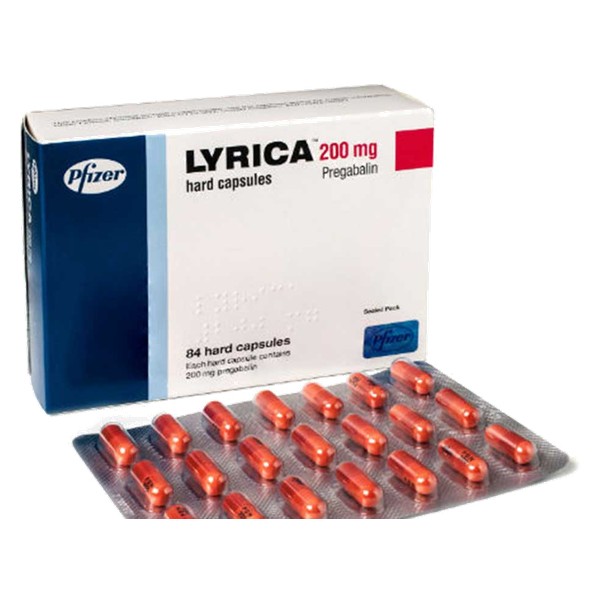
Lyrica (Lyrica, Lyrica CR)
General Health Treatment
The definitive medical guide to Lyrica (Pregabalin): clinical applications for neuropathic pain, fibromyalgia, off-label uses, side effect management, and safety protocols.
 PharmacyChecker
 Amazon Pharmacy
 Blink Health
 Costco Pharmacy
 GoodRx
Table of Contents
Lyrica Product Information
What is Lyrica (Pregabalin)?
Lyrica, known by its generic name pregabalin, is a highly effective prescription medication that belongs to a class of drugs known as gabapentinoids. Originally developed as an anticonvulsant to treat epilepsy, its profound ability to modulate the nervous system quickly led to its widespread use in treating various forms of chronic, debilitating nerve pain and fibromyalgia. Approved by the U.S. Food and Drug Administration (FDA) in 2004, pregabalin represents a significant advancement over its predecessor, gabapentin, offering greater potency, faster absorption, and a more predictable pharmacokinetic profile.
The mechanism of action of pregabalin is both fascinating and highly specific. Despite its structural similarity to the inhibitory neurotransmitter gamma-aminobutyric acid (GABA), pregabalin does not actually bind to GABA receptors, nor does it alter GABA uptake or degradation. Instead, its primary target is the alpha-2-delta (α2δ) subunit of voltage-gated calcium channels located on the presynaptic terminals of neurons in the central nervous system (CNS).
In conditions of chronic pain or epilepsy, certain neurons become hyperexcitable, firing excessively and releasing massive amounts of excitatory neurotransmitters like glutamate, substance P, and calcitonin gene-related peptide (CGRP). When pregabalin binds to the α2δ subunit, it reduces the influx of calcium ions into these overactive nerve terminals. This reduction in calcium directly inhibits the excessive release of these excitatory neurotransmitters. By essentially 'turning down the volume' on these hyperactive pain signals before they can cross the synapse, pregabalin effectively dampens the transmission of pain and prevents the spread of seizure activity, restoring a more normal state of neurological function.
Because of its mechanism of action and its potential to produce mild euphoria or relaxation in some individuals, pregabalin is classified as a Schedule V controlled substance in the United States. This indicates a lower potential for abuse relative to Schedule IV drugs (like benzodiazepines) or Schedule II drugs (like opioids), but it still requires careful medical supervision and monitoring.
FDA-Approved Uses and Clinical Indications
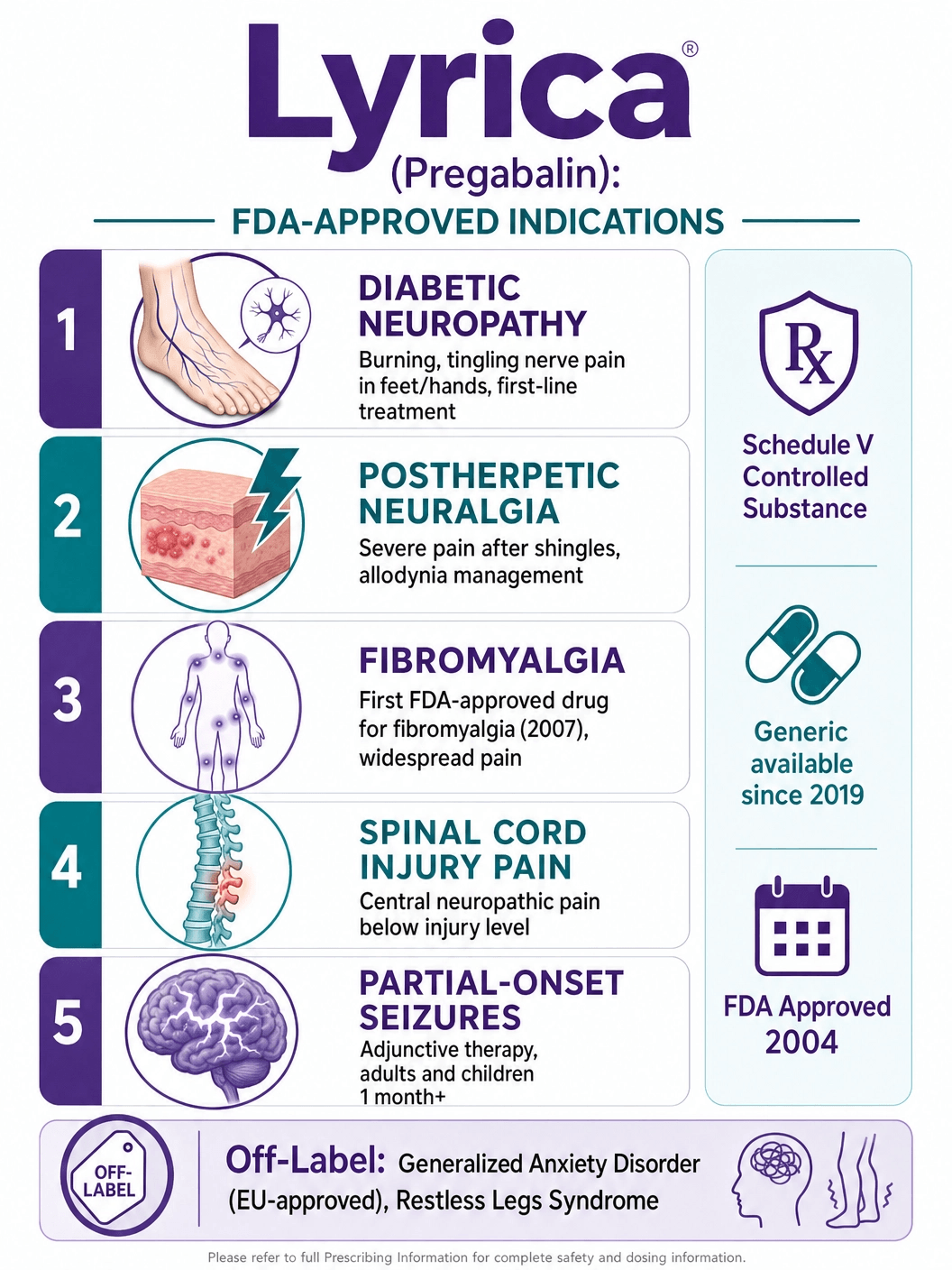
The FDA has approved Lyrica (pregabalin) for several specific, often difficult-to-treat neurological and pain conditions. Its versatility makes it a cornerstone therapy in both neurology and pain management clinics.
Neuropathic Pain Associated with Diabetic Peripheral Neuropathy (DPN): Diabetic neuropathy is a common and painful complication of diabetes, caused by long-term high blood sugar levels damaging the peripheral nerves, most often in the legs and feet. Patients typically experience burning, tingling, 'pins and needles,' or sharp, shooting pain that is often worse at night. Pregabalin is considered a first-line treatment for DPN. By calming the damaged, misfiring nerves, it significantly reduces pain intensity, improves sleep quality, and enhances overall daily functioning for diabetic patients.
Postherpetic Neuralgia (PHN): After a person recovers from shingles (herpes zoster), the varicella-zoster virus can leave behind severe, persistent nerve damage known as postherpetic neuralgia. This pain is notoriously difficult to treat and can be excruciating, often described as burning, throbbing, or feeling like electric shocks. The skin may become so sensitive that even the light touch of clothing causes severe pain (allodynia). Pregabalin is highly effective in managing PHN, providing substantial relief by modulating the hyperactive pain pathways established by the viral damage.
Fibromyalgia: Fibromyalgia is a complex chronic pain disorder characterized by widespread musculoskeletal pain, profound fatigue, sleep disturbances, and cognitive difficulties ('fibro fog'). The exact cause is unknown, but it is believed to involve central sensitization—an amplification of pain signals in the brain and spinal cord. In 2007, Lyrica became the first medication ever approved by the FDA specifically for the treatment of fibromyalgia. It helps reduce the widespread pain and can significantly improve the severe sleep disturbances associated with the condition.
Neuropathic Pain Associated with Spinal Cord Injury: Damage to the spinal cord, whether from trauma, disease, or ischemia, often results in severe, chronic neuropathic pain below the level of the injury. This central neuropathic pain is notoriously resistant to traditional painkillers like NSAIDs or even opioids. Pregabalin has been shown in clinical trials to significantly reduce the intensity of this specific type of central nerve pain, offering a vital therapeutic option for spinal cord injury patients.
Adjunctive Therapy for Partial-Onset Seizures: In the realm of epilepsy, pregabalin is approved as an 'adjunctive' (add-on) therapy for adults and children (1 month of age and older) who suffer from partial-onset seizures. This means it is used in combination with other antiepileptic drugs when those drugs alone are not sufficient to control the seizures. By stabilizing hyperexcitable neuronal networks, pregabalin helps reduce the frequency and severity of seizure episodes.
Off-Label Uses: Generalized Anxiety Disorder and More
While the FDA has approved pregabalin for the specific conditions listed above, physicians frequently prescribe it 'off-label' for other medical issues where its mechanism of action provides clinical benefit. Off-label prescribing is a standard and legal medical practice.
Generalized Anxiety Disorder (GAD): In several regions outside the United States, including the European Union, pregabalin is officially approved as a first-line treatment for Generalized Anxiety Disorder. In the US, it is widely used off-label for this purpose. Pregabalin is particularly useful for patients who do not respond well to standard antidepressants (SSRIs or SNRIs) or who cannot tolerate their side effects. It works rapidly—often within a week—to reduce the excessive worry, somatic tension, and sleep disturbances characteristic of GAD. Unlike benzodiazepines, pregabalin does not typically cause severe cognitive impairment or carry the same high risk of severe physical dependence and withdrawal.
Restless Legs Syndrome (RLS): RLS is a neurological disorder characterized by an irresistible urge to move the legs, usually accompanied by uncomfortable sensations (creeping, crawling, itching) that occur primarily in the evening or at night, severely disrupting sleep. While dopaminergic agents are the traditional first-line treatment, they can cause a phenomenon called 'augmentation' (worsening of symptoms over time). Pregabalin is increasingly used off-label as a highly effective alternative for RLS, particularly for patients who experience augmentation or who also suffer from comorbid nerve pain or anxiety.
Other Neuropathic Pain Syndromes: Beyond diabetic neuropathy and PHN, pregabalin is frequently utilized off-label to treat a wide variety of other nerve pain conditions. These include trigeminal neuralgia (facial nerve pain), radiculopathy (sciatica or pinched nerves in the spine), chemotherapy-induced peripheral neuropathy, and chronic postoperative pain syndromes. Its ability to broadly dampen neuropathic signaling makes it a versatile tool in the pain specialist's arsenal.
Understanding Side Effects and Serious Risks
Like all medications that act on the central nervous system, pregabalin carries a profile of potential side effects. Most are mild to moderate and often diminish as the body adjusts to the medication, but some require immediate medical attention.
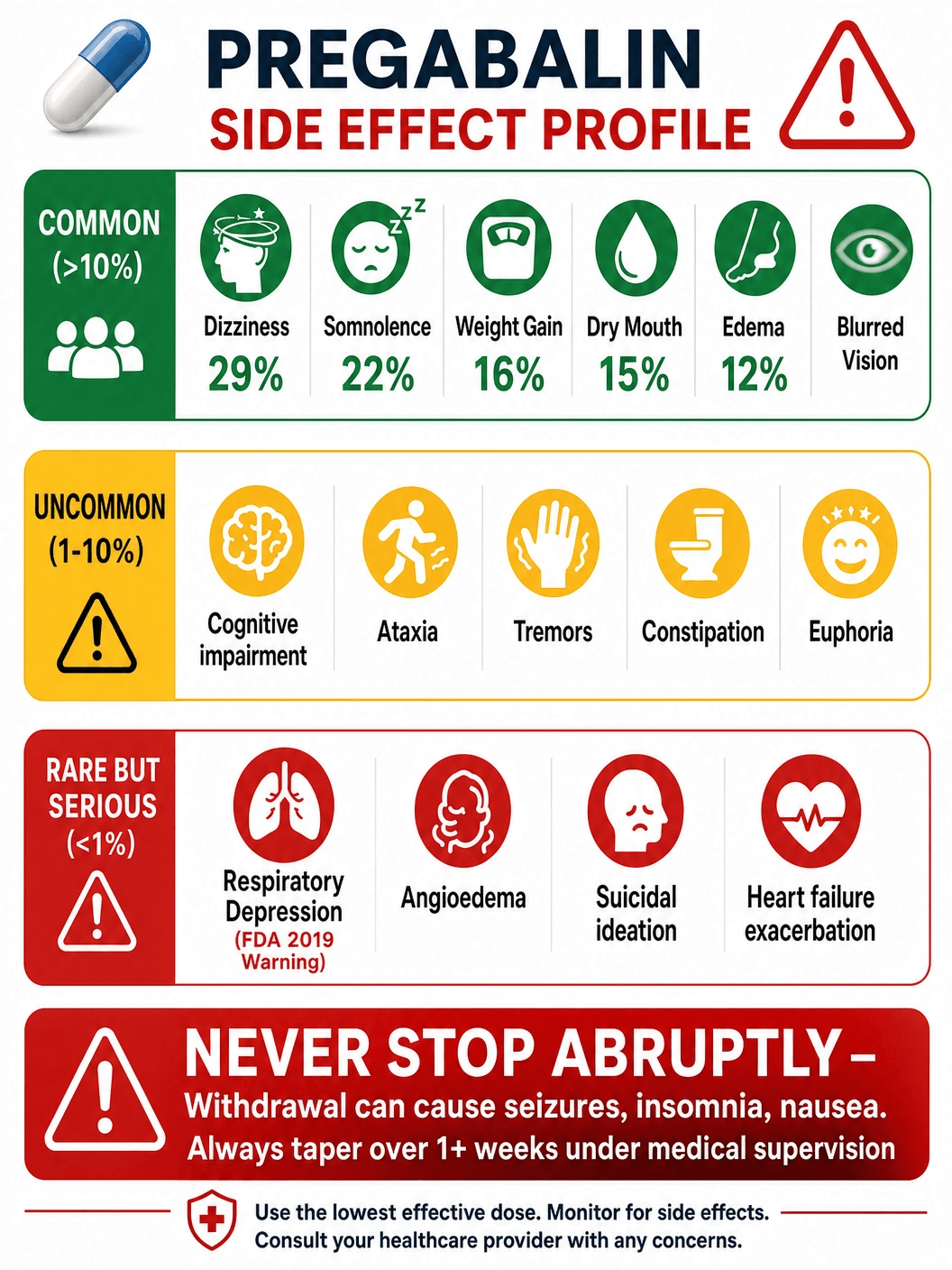
Common Side Effects: The most frequently reported side effects of pregabalin are dizziness and somnolence (sleepiness or drowsiness). These effects are dose-dependent and are the primary reasons patients discontinue the medication. Because of this, patients are strongly advised not to drive, operate heavy machinery, or engage in hazardous activities until they know how pregabalin affects them. Other common side effects include dry mouth, blurred vision, difficulty concentrating, and mild peripheral edema (swelling in the hands, legs, or feet).
Weight Gain and Edema: A significant and often distressing side effect for many patients is weight gain. This is not fully understood but is believed to be related to increased appetite and fluid retention (edema). The weight gain can be substantial in some individuals. Patients with pre-existing heart conditions, particularly congestive heart failure, must be monitored very closely, as the fluid retention caused by pregabalin can exacerbate heart failure symptoms.
Respiratory Depression: In 2019, the FDA issued a serious warning regarding the risk of severe, life-threatening respiratory depression (dangerously slow breathing) associated with gabapentinoids, including pregabalin. This risk is significantly elevated when pregabalin is combined with other central nervous system depressants, particularly opioid pain medications, anti-anxiety drugs, or alcohol. The risk is also higher in elderly patients and those with underlying respiratory conditions like Chronic Obstructive Pulmonary Disease (COPD). Patients experiencing slow, shallow breathing or extreme lethargy should seek emergency medical care immediately.
Psychiatric and Behavioral Risks: All antiepileptic drugs, including pregabalin, carry a small but significant increased risk of suicidal thoughts or behavior. Patients, families, and caregivers must be vigilant for the emergence or worsening of depression, unusual changes in mood or behavior, anxiety, agitation, panic attacks, or suicidal ideation. Any such changes should be reported to a healthcare provider immediately.
Severe Allergic Reactions: Although rare, pregabalin can cause severe, life-threatening allergic reactions, including angioedema (rapid swelling of the face, mouth, lips, gums, tongue, and neck) and severe skin reactions (such as hives or blisters). If a patient experiences any signs of angioedema or a severe rash, they must stop taking the medication immediately and seek emergency medical assistance, as this can rapidly lead to airway obstruction and death.
Contraindications and Drug Interactions
Pregabalin is contraindicated in patients with a known hypersensitivity or severe allergic reaction to pregabalin or any of its inactive ingredients. Due to the risk of exacerbating fluid retention, it should be used with extreme caution in patients with a history of congestive heart failure.
Crucial Drug Interactions: Unlike many other medications, pregabalin is not significantly metabolized by the liver's cytochrome P450 enzyme system. It is excreted almost entirely unchanged by the kidneys. Because of this, it has very few pharmacokinetic drug interactions (it doesn't significantly alter the blood levels of other drugs, nor do other drugs significantly alter its blood levels). However, it has profound pharmacodynamic interactions:
- CNS Depressants (Opioids, Benzodiazepines, Alcohol): This is the most critical interaction. Combining pregabalin with opioids (like oxycodone, hydrocodone), benzodiazepines (like Xanax, Valium), sleep aids (like Ambien), or alcohol causes a synergistic, compounding effect on the central nervous system. This combination dramatically increases the risk of severe dizziness, profound sedation, cognitive impairment, and life-threatening respiratory depression. If these medications must be used together, dosages should be minimized and the patient monitored closely.
- ACE Inhibitors and Diabetes Medications: Concurrent use of pregabalin with ACE inhibitors (blood pressure medications like lisinopril or enalapril) may increase the risk of developing angioedema (severe swelling). Additionally, combining pregabalin with certain oral diabetes medications, specifically thiazolidinediones (like pioglitazone or rosiglitazone), can increase the risk of weight gain and peripheral edema, potentially exacerbating heart failure.
Available Dosages and Administration Guidelines
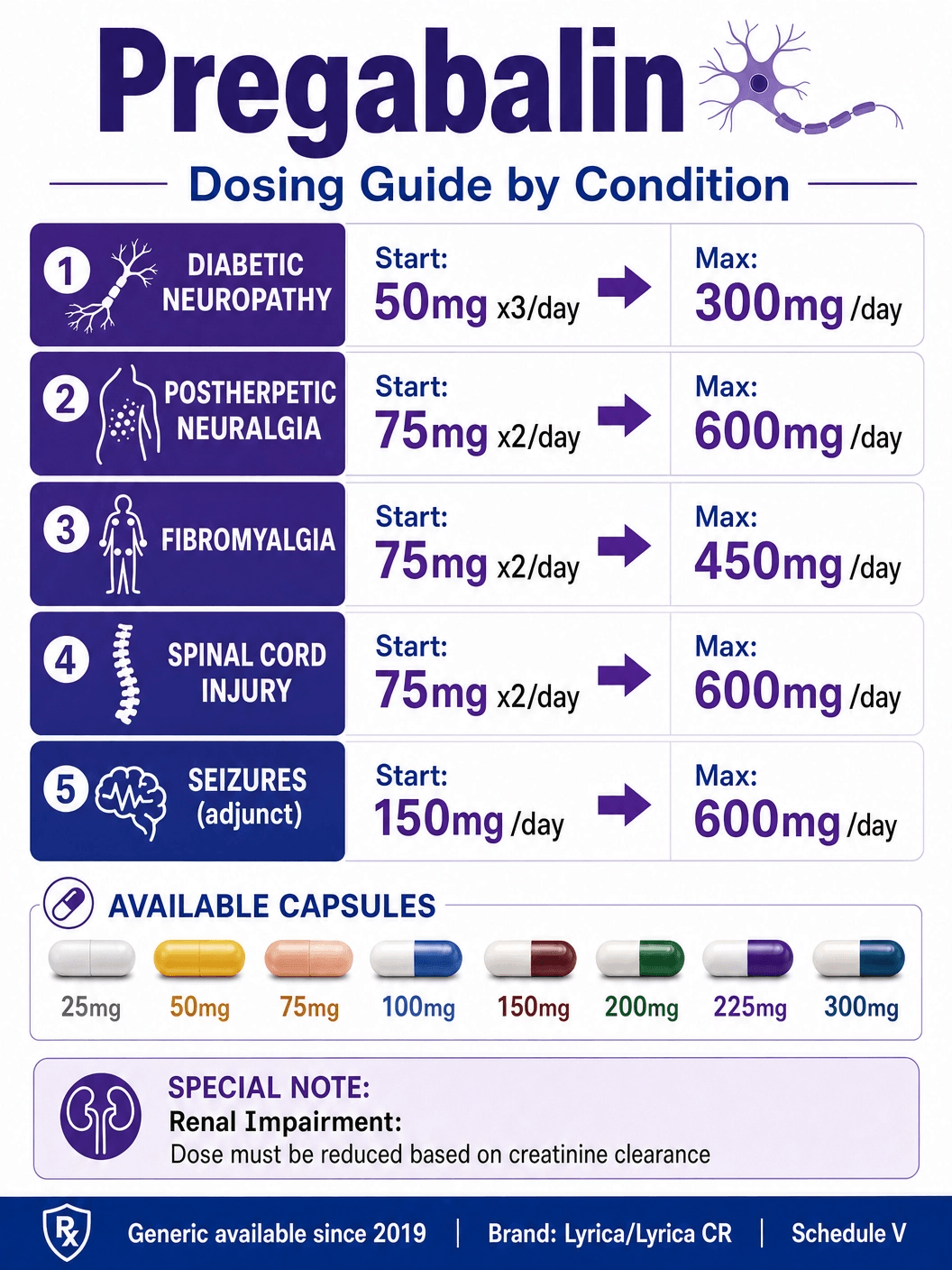
Lyrica (pregabalin) is available in several oral formulations: standard capsules, an oral solution (liquid), and extended-release (CR) tablets. The standard capsules are available in a wide range of strengths: 25 mg, 50 mg, 75 mg, 100 mg, 150 mg, 200 mg, 225 mg, and 300 mg. This variety allows for precise dose titration.
Because pregabalin can cause significant dizziness and sleepiness, therapy is almost always initiated at a low dose and gradually increased (titrated) over several days or weeks. This allows the patient's nervous system to adjust to the medication and minimizes adverse effects. The medication can be taken with or without food.
Diabetic Peripheral Neuropathy (DPN)
For the management of nerve pain associated with diabetes, the typical starting dose is 50 mg taken three times a day (150 mg/day). Depending on efficacy and tolerability, the dose may be increased within one week to the maximum recommended dose of 100 mg three times a day (300 mg/day). Doses higher than 300 mg/day are generally not recommended for DPN, as they do not provide significant additional pain relief but do increase side effects.
Postherpetic Neuralgia (PHN)
For pain following shingles, the starting dose is usually 75 mg two times a day, or 50 mg three times a day (150 mg/day). This can be increased to 300 mg/day within one week. If pain relief is insufficient after two to four weeks, and the patient is tolerating the medication well, the dose may be further increased up to a maximum of 300 mg two times a day, or 200 mg three times a day (600 mg/day).
Fibromyalgia
The recommended starting dose for fibromyalgia is 75 mg two times a day (150 mg/day). This may be increased to 150 mg two times a day (300 mg/day) within one week. If necessary, the dose can be further increased to a maximum of 225 mg two times a day (450 mg/day). Clinical trials have shown that doses above 450 mg/day do not confer additional benefit for fibromyalgia and significantly increase adverse events.
Renal Impairment Adjustments
Because pregabalin is eliminated primarily by the kidneys, patients with reduced kidney function (renal impairment) must have their dosages significantly reduced to prevent the drug from accumulating to toxic levels in the blood. The dosage adjustment is based on the patient's creatinine clearance (CrCl), a measure of kidney function. Patients on hemodialysis require specific supplemental dosing following each dialysis treatment.
Generic vs. Brand Name Lyrica (Pregabalin)
For over a decade, Pfizer held the exclusive patent for Lyrica, making it a blockbuster drug but also a very expensive treatment option for patients. However, in July 2019, the FDA approved the first generic versions of pregabalin, fundamentally changing the landscape of neuropathic pain treatment.
Generic Pregabalin: Generic pregabalin is now manufactured by numerous pharmaceutical companies and is available in all the same strengths and formulations (capsules and oral solution) as the brand-name drug. By FDA mandate, generic pregabalin is bioequivalent to Lyrica. This means it contains the exact same active ingredient, works in the exact same way in the body, and has the same safety and efficacy profile. For the vast majority of patients, there is no clinical difference between taking brand-name Lyrica and generic pregabalin.
Cost Comparison: The introduction of generics has drastically reduced the cost of therapy. While a 30-day supply of brand-name Lyrica can cost hundreds of dollars without insurance, generic pregabalin is highly affordable. Using pharmacy discount programs, a month's supply of generic pregabalin can often be purchased for under $20. Because of this massive price difference, almost all insurance plans and Medicare Part D now require the dispensing of generic pregabalin unless a physician provides a specific, medically necessary justification for the brand name.
Lyrica CR (Extended-Release): It is important to note that Pfizer also manufactures Lyrica CR, an extended-release once-daily tablet formulation approved for DPN and PHN. While generic versions of the immediate-release capsules are widely available, the extended-release formulation may have different patent protections and generic availability timelines.
Purchasing Lyrica: Cost, Insurance, and Legal Acquisition
Acquiring pregabalin requires a valid prescription and an understanding of its regulatory status.
Schedule V Controlled Substance: In the United States, pregabalin is classified by the Drug Enforcement Administration (DEA) as a Schedule V controlled substance. This is the lowest schedule for controlled substances, indicating a lower potential for abuse than Schedule IV drugs (like Valium or Tramadol), but acknowledging that it still carries some risk of misuse, dependence, or diversion. Because of this status, prescriptions for pregabalin are subject to specific state and federal regulations regarding refills (typically limited to 5 refills within 6 months) and prescription transfers. It is illegal to purchase pregabalin without a prescription.
Insurance Coverage: Generic pregabalin is almost universally covered by commercial health insurance, Medicare, and Medicaid plans, usually falling under a Tier 1 (lowest copay) category. Brand-name Lyrica, however, is often placed on higher, more expensive tiers or excluded entirely from formularies unless the patient has documented a medical failure or severe allergic reaction to the generic formulation.
Avoiding Counterfeits: Because pregabalin is a controlled substance and a popular medication, it is sometimes sold illegally through unregulated online 'pharmacies.' Purchasing medication from these sources is highly dangerous. Counterfeit drugs may contain incorrect dosages, no active ingredient at all, or dangerous contaminants like fentanyl or heavy metals. Always fill prescriptions at a licensed, reputable brick-and-mortar pharmacy or a verified, VIPPS-accredited online pharmacy.
Withdrawal and Discontinuation Syndrome
One of the most critical safety warnings regarding pregabalin is that it must never be stopped abruptly. Even though it is not an opioid or a benzodiazepine, the central nervous system adapts to the presence of pregabalin over time. Sudden cessation can trigger a severe and highly unpleasant withdrawal syndrome.
Symptoms of Withdrawal: If pregabalin is stopped 'cold turkey,' patients may experience a rapid onset of withdrawal symptoms within 24 to 48 hours. These symptoms commonly include severe insomnia, nausea, headache, diarrhea, profound anxiety, excessive sweating, and hyperhidrosis. In patients taking pregabalin for seizure control, abrupt discontinuation can trigger 'status epilepticus,' a life-threatening state of continuous, unstopping seizures.
The Tapering Protocol: To safely discontinue pregabalin, the dosage must be gradually reduced (tapered) over a minimum of one week, though many physicians prefer a slower taper over several weeks, especially for patients who have been on high doses for a long time. The tapering schedule should be strictly directed by the prescribing healthcare provider, tailored to the individual patient's dose and duration of therapy. If withdrawal symptoms emerge during the taper, the doctor may pause the reduction or temporarily increase the dose before resuming a slower taper.
Pregabalin vs. Gabapentin: Understanding the Differences
Pregabalin (Lyrica) and gabapentin (Neurontin) are both gabapentinoids, sharing the same mechanism of action (binding to the α2δ subunit of calcium channels). However, they have distinct pharmacokinetic differences that influence how they are prescribed and experienced by patients.
Potency and Absorption: Pregabalin is significantly more potent than gabapentin. A much lower dose of pregabalin is required to achieve the same clinical effect as a high dose of gabapentin. More importantly, pregabalin has a linear and highly predictable absorption profile. Regardless of the dose taken, the body absorbs about 90% of the pregabalin. Gabapentin, on the other hand, has variable absorption; as the dose increases, the percentage of the drug absorbed actually decreases. This makes pregabalin much easier to dose and titrate effectively.
Onset of Action: Pregabalin is absorbed more rapidly than gabapentin, typically reaching peak blood concentrations within 1 hour, compared to 3-4 hours for gabapentin. This faster onset can be advantageous for patients seeking rapid pain relief.
Regulatory Status: At the federal level in the US, pregabalin is a Schedule V controlled substance, while gabapentin is currently not federally scheduled (though several individual states have moved to classify gabapentin as a controlled substance due to rising rates of misuse, particularly in combination with opioids). Despite these differences, both medications are highly effective, and the choice between them often depends on individual patient response, side effect tolerance, and insurance coverage.
Government and Regulatory Resources
For authoritative, up-to-date information regarding Lyrica (pregabalin), its approved uses, safety warnings, and clinical guidelines, please consult the following official resources:
- FDA Prescribing Information for Lyrica - The official, comprehensive label detailing indications, warnings, and clinical pharmacology.
- Drugs.com: Pregabalin Overview - Comprehensive patient and professional drug information.
- Mayo Clinic: Pregabalin (Oral Route) - Detailed patient education on uses, side effects, and precautions.
- NCBI StatPearls: Pregabalin - A detailed clinical and pharmacological overview for healthcare professionals.
Editorial Review & Medical Sources
This guide is for informational purposes and does not constitute medical advice. Content is based on clinical data from the FDA, the National Institutes of Health (NIH), and the Mayo Clinic. Medical Reviewer: Dr. Sanjai Sinha, MD. Primary Sources: FDA Prescribing Information, StatPearls Clinical Database (NCBI).
Pregabalin in Special Populations: Elderly and Pediatric Use
The use of pregabalin requires special consideration and careful monitoring when prescribed to specific demographic groups, particularly the elderly and pediatric populations, due to differences in metabolism, side effect vulnerability, and developmental factors.
Use in the Elderly (Geriatric Patients): As people age, their kidney function naturally declines. Because pregabalin is eliminated from the body almost entirely by the kidneys, elderly patients are at a significantly higher risk of the drug accumulating in their system, leading to toxicity and severe side effects even at standard doses. Consequently, the starting dose for elderly patients is typically much lower, and titration must proceed very slowly. Furthermore, the elderly are far more susceptible to the central nervous system side effects of pregabalin, particularly dizziness, somnolence, and ataxia (loss of coordination). This dramatically increases the risk of falls, which can lead to devastating consequences such as hip fractures or traumatic brain injuries. Healthcare providers must carefully weigh the benefits of pain relief against the substantial risk of falls and cognitive impairment in this population.
Use in Pediatric Patients: The FDA has approved pregabalin for use in children as young as 1 month old, but specifically and exclusively as an adjunctive therapy for partial-onset seizures. It is not approved for the treatment of fibromyalgia or any neuropathic pain conditions in pediatric patients. When used for epilepsy in children, the dosage is strictly weight-based (calculated in milligrams per kilogram of body weight). Parents and caregivers must be vigilant for behavioral changes, as children taking antiepileptic drugs may experience increased irritability, hyperactivity, or mood swings. The long-term effects of pregabalin on the developing brain, learning, and physical growth are not fully understood, making careful, ongoing pediatric neurological assessment essential.
Pregabalin and Pregnancy: Risks and Considerations
The use of pregabalin during pregnancy presents a complex clinical dilemma, requiring a careful balancing of the potential risks to the developing fetus against the risks of untreated maternal illness, particularly in the case of epilepsy.
Fetal Risk and Animal Studies: Pregabalin is classified by the FDA as a Pregnancy Category C medication. This means that animal reproduction studies have shown an adverse effect on the fetus (such as increased incidences of fetal structural abnormalities and delayed ossification), but there are no adequate and well-controlled studies in humans. However, recent observational data from human pregnancy registries have raised concerns. Some studies suggest a potential, albeit small, increased risk of major birth defects when pregabalin is taken during the first trimester. Because of these potential risks, pregabalin should be used during pregnancy only if the potential benefit to the mother clearly justifies the potential risk to the fetus.
Managing Epilepsy During Pregnancy: For women taking pregabalin for seizure control, the situation is particularly critical. Uncontrolled seizures during pregnancy pose a severe, immediate threat to both the mother and the fetus, potentially causing hypoxia (lack of oxygen), trauma, or miscarriage. Therefore, a woman should never abruptly stop taking pregabalin if she discovers she is pregnant. Instead, she must immediately consult her neurologist and obstetrician. The medical team will evaluate whether pregabalin is the safest option or if a transition to a different antiepileptic drug is warranted, while closely monitoring the pregnancy through high-resolution ultrasounds and the North American Antiepileptic Drug (NAAED) Pregnancy Registry.
Breastfeeding: Clinical studies have shown that pregabalin is excreted into human breast milk. Because the effects of pregabalin on a nursing infant are unknown, but potentially include sedation and poor feeding, the manufacturer and clinical guidelines generally recommend that breastfeeding is not advised while taking pregabalin. Mothers must decide, in consultation with their doctor, whether to discontinue nursing or discontinue the drug, taking into account the importance of the drug to the mother.
The Future of Gabapentinoids in Pain Management
The widespread use of gabapentinoids like pregabalin has revolutionized the treatment of neuropathic pain, offering relief where traditional analgesics failed. However, the landscape of pain management is constantly evolving, and the role of pregabalin is subject to ongoing scrutiny and research.
Addressing the Opioid Crisis: In the wake of the devastating opioid epidemic, physicians have increasingly turned to gabapentinoids as non-opioid alternatives for chronic pain management. While this shift has reduced opioid prescribing, it has also led to a massive surge in pregabalin and gabapentin prescriptions. This surge has highlighted the fact that while gabapentinoids are safer than opioids in terms of fatal overdose risk, they are not without their own significant risks, particularly regarding misuse, dependence, and severe side effects when combined with other depressants.
The Search for Targeted Therapies: Current research is focused on developing next-generation pain medications that are more targeted than pregabalin. While pregabalin binds to the α2δ subunit across the entire central nervous system, researchers are looking for compounds that might target specific subtypes of calcium channels or specific pain pathways in the spinal cord, aiming to provide the same profound pain relief but without the widespread central nervous system side effects like dizziness, somnolence, and cognitive impairment. Until such targeted therapies become available, pregabalin remains a vital, though complex, tool in the medical arsenal, requiring careful patient selection, rigorous monitoring, and comprehensive patient education.
Managing the Cognitive and Emotional Impact of Pregabalin
While the physical side effects of pregabalin, such as dizziness and weight gain, are widely recognized, the cognitive and emotional impacts of the medication are equally significant and require careful management. Because pregabalin alters neurotransmitter release across the central nervous system, it can subtly—and sometimes profoundly—affect how a patient thinks, feels, and processes information.
Cognitive Blunting and 'Brain Fog': Many patients report experiencing a degree of cognitive blunting, often described as 'brain fog,' while taking pregabalin. This can manifest as difficulty finding the right words (aphasia), short-term memory issues, reduced attention span, and a general feeling of mental sluggishness. For patients who are still working or studying, this side effect can be particularly disruptive. It is crucial for patients to communicate these symptoms to their doctor. Sometimes, a slight reduction in dosage or a change in the timing of the medication (e.g., taking a larger portion of the dose at night) can mitigate these cognitive effects without sacrificing pain control.
Emotional Numbing vs. Mood Stabilization: The emotional effects of pregabalin can be paradoxical. For patients suffering from severe anxiety alongside their chronic pain, the medication's ability to dampen nervous system hyperactivity can provide a welcome sense of calm and emotional stability. However, some patients experience this dampening effect as emotional numbing or apathy—a feeling of being disconnected from their emotions or unable to experience joy or excitement. If a patient feels that their quality of life is being negatively impacted by this emotional flattening, a medical review is necessary to reassess the treatment plan.
The Importance of Psychological Support: Chronic pain itself is a massive psychological burden, often leading to depression and anxiety. When a medication like pregabalin is introduced, it alters the neurochemical landscape, which can complicate the psychological picture. Therefore, comprehensive pain management should rarely rely on medication alone. Integrating psychological support, such as Cognitive Behavioral Therapy (CBT) or Acceptance and Commitment Therapy (ACT), is highly recommended. These therapies help patients develop coping strategies for both the chronic pain and the potential cognitive or emotional side effects of their medication, leading to better overall outcomes and improved quality of life.
Pregabalin Misuse and the Risk of Addiction
While pregabalin is highly effective for its approved indications, its classification as a Schedule V controlled substance highlights a growing concern within the medical community: the potential for misuse, abuse, and addiction. Understanding these risks is crucial for both prescribers and patients to ensure safe and responsible use of the medication.
The Nature of Pregabalin Misuse: Pregabalin misuse typically involves taking the medication in doses higher than prescribed, taking it without a prescription, or combining it with other substances to enhance its effects. At high doses, pregabalin can produce feelings of euphoria, relaxation, dissociation, and a sense of intoxication that some users find desirable. This psychoactive profile makes it attractive to individuals seeking to alter their mental state, particularly those with a history of substance use disorders.
Vulnerable Populations: Research indicates that the risk of pregabalin misuse is significantly higher among individuals who have a history of abusing other substances, particularly opioids, benzodiazepines, or alcohol. In many cases, pregabalin is used concurrently with these substances to potentiate (increase) their euphoric effects or to self-medicate withdrawal symptoms. This poly-drug use is extremely dangerous, as it exponentially increases the risk of severe respiratory depression, coma, and fatal overdose.
Signs of Dependence and Addiction: Physical dependence on pregabalin can develop even when the medication is taken exactly as prescribed over a long period. This is a normal physiological adaptation and is characterized by the emergence of withdrawal symptoms if the drug is abruptly stopped. However, addiction (or a substance use disorder) is a behavioral and psychological condition characterized by compulsive drug-seeking behavior despite negative consequences. Signs of pregabalin addiction may include 'doctor shopping' (visiting multiple doctors to obtain multiple prescriptions), forging prescriptions, taking escalating doses to achieve the same effect (tolerance), and prioritizing drug use over personal, professional, or financial responsibilities.
Mitigating the Risks: To minimize the risk of misuse and addiction, healthcare providers must conduct thorough patient assessments before prescribing pregabalin, paying close attention to any history of substance abuse. Prescriptions should be carefully monitored, and patients should be educated about the dangers of altering their dose or sharing their medication. Routine urine drug screening and the use of state Prescription Drug Monitoring Programs (PDMPs) are essential tools for identifying potential misuse early. If a patient develops a problematic relationship with pregabalin, specialized addiction treatment and a carefully managed, medically supervised tapering protocol are required to safely discontinue the drug.
Lyrica Quick View
| Active Ingredient | Pregabalin |
|---|---|
| Manufacturer | Pfizer (Brand), Various (Generic) |
| Type | Gabapentinoid / Anticonvulsant |
| Onset | Peak plasma concentration in 1 hour |
| Duration | Biological half-life 6.3 hours |
| Food Interaction | Can be taken with or without food |
| Alcohol | Avoid; severely increases risk of dizziness, sedation, and respiratory depression |
| Prescription | Required (Schedule V Controlled Substance) |
Lyrica Side Effects
Common Side Effects
- Dizziness and somnolence (most common).
- Weight gain and increased appetite.
- Peripheral edema (swelling in hands/feet).
- Dry mouth.
- Blurred vision.
Uncommon Side Effects
- Difficulty concentrating or 'brain fog'.
- Ataxia (loss of coordination).
- Tremors.
- Constipation.
Rare Side Effects
- Severe respiratory depression (especially when combined with opioids).
- Angioedema (severe swelling of face/throat).
- Suicidal thoughts or behavior.
- Heart failure exacerbation.
Important Warning: CRITICAL SAFETY WARNING: Do not stop taking Lyrica abruptly. Sudden discontinuation can cause severe withdrawal symptoms, including insomnia, nausea, headache, anxiety, and potentially life-threatening seizures. Always taper the dose under medical supervision.
More Information About Lyrica
Storage
Store at room temperature between 20 and 25 degrees C (68 and 77 degrees F). Keep in a safe place to prevent theft or misuse.
Contraindications
Contraindicated in patients with known hypersensitivity to pregabalin. Use with extreme caution in patients with a history of congestive heart failure, substance abuse, or respiratory depression.
Drug Interactions
Crucial interaction with CNS depressants (opioids, benzodiazepines, alcohol) which can cause fatal respiratory depression. Interacts with ACE inhibitors (increased angioedema risk) and thiazolidinediones (increased edema/weight gain).
Lyrica FAQs
No, but they are very similar. Both are gabapentinoids that work on the same calcium channels. However, Lyrica (pregabalin) is more potent, absorbs much faster and more predictably into the bloodstream, and is a Schedule V controlled substance federally, whereas gabapentin is not federally scheduled (though some states schedule it).
Weight gain is a very common side effect of Lyrica. It is caused by a combination of increased appetite and fluid retention (edema). Patients should monitor their weight and discuss any significant increases with their doctor, especially if they have heart problems.
No. Combining Lyrica with alcohol is highly dangerous. Both are central nervous system depressants. Taking them together dramatically increases the risk of severe dizziness, profound sedation, cognitive impairment, and life-threatening respiratory depression.
Lyrica is a Schedule V controlled substance, meaning it has a lower potential for abuse than drugs like opioids, but the risk still exists. It can cause physical dependence (leading to withdrawal if stopped suddenly) and, in some individuals, psychological addiction, especially in those with a history of substance abuse.
Some patients may experience a reduction in pain within the first week of treatment. However, because the dose must be gradually increased (titrated) to minimize side effects, it may take several weeks to reach the optimal therapeutic dose and experience full pain relief.
Never stop taking Lyrica abruptly. Doing so can trigger a severe withdrawal syndrome characterized by insomnia, nausea, anxiety, sweating, and potentially life-threatening seizures. If you need to stop, your doctor will provide a schedule to gradually taper your dose over at least a week.
Written and Reviewed by Our Qualified Team

Find out more about our medical content authors and how we ensure the accuracy of our content.
Content last updated: 21 May 2026
Lyrica Reviews
Based on 99 reviews
Helpful medication for reducing seizures. It's been a game changer. (Review #1)
Brilliant medication for getting back to work. I highly recommend it. (Review #2)
Impressive medication for nerve pain management. I'm very satisfied with the results. (Review #3)
Effective medication for reducing seizures. It's the only thing that worked for my nerve pain. (Review #4)
Stellar medication for restoring normalcy. It changed my life. (Review #5)
Great medication for pain relief. My doctor prescribed this and it's been great. (Review #6)
Trustworthy medication for managing neuropathy. It took a few weeks to kick in, but it's worth it. (Review #7)
Outstanding medication for reducing anxiety. It worked really well for me. (Review #8)
Impressive medication for reducing tingling. It's been a game changer. (Review #9)
Stellar medication for improving sleep. I was skeptical at first, but it really helps. (Review #10)
Wonderful medication for enjoying life again. It worked really well for me. (Review #11)
Awesome medication for easing discomfort. I highly recommend it. (Review #12)
Solid medication for restoring normalcy. I was skeptical at first, but it really helps. (Review #13)
Impressive medication for reducing tingling. I can't imagine going without it now. (Review #14)
Dependable medication for reducing tingling. It changed my life. (Review #15)
Superb medication for enjoying life again. I feel so much better now. (Review #16)
Solid medication for managing neuropathy. I was skeptical at first, but it really helps. (Review #17)
Reliable medication for nerve pain management. It worked really well for me. (Review #18)
Outstanding medication for reducing tingling. It's been a lifesaver. (Review #19)
Brilliant medication for restoring normalcy. I feel so much better now. (Review #20)
Helpful medication for improving sleep. It's been a lifesaver. (Review #21)
Wonderful medication for restoring normalcy. It's the only thing that worked for my nerve pain. (Review #22)
Reliable medication for getting back to work. It's been a game changer. (Review #23)
Excellent medication for reducing tingling. I highly recommend it. (Review #24)
Awesome medication for stopping the burning sensation. No major side effects for me. (Review #25)
Effective medication for stopping the burning sensation. It took a few weeks to kick in, but it's worth it. (Review #26)
Solid medication for reducing tingling. I highly recommend it. (Review #27)
Dependable medication for easing discomfort. No major side effects for me. (Review #28)
Brilliant medication for feeling better. I highly recommend it. (Review #29)
Incredible medication for fibromyalgia relief. I feel so much better now. (Review #30)
Reliable medication for pain relief. My doctor prescribed this and it's been great. (Review #31)
Helpful medication for nerve pain management. It's been a lifesaver. (Review #32)
Amazing medication for reducing seizures. I can finally sleep through the night. (Review #33)
Solid medication for managing neuropathy. I feel so much better now. (Review #34)
Wonderful medication for reducing anxiety. No major side effects for me. (Review #35)
Outstanding medication for getting back to work. I can't imagine going without it now. (Review #36)
Excellent medication for getting back to work. I can finally sleep through the night. (Review #37)
Good medication for restoring normalcy. I feel so much better now. (Review #38)
Great medication for reducing tingling. I highly recommend it. (Review #39)
Helpful medication for reducing seizures. It took a few weeks to kick in, but it's worth it. (Review #40)
Dependable medication for getting back to work. It's been a lifesaver. (Review #41)
Amazing medication for fibromyalgia relief. I can finally sleep through the night. (Review #42)
Effective medication for reducing tingling. I can finally sleep through the night. (Review #43)
Dependable medication for enjoying life again. It took a few weeks to kick in, but it's worth it. (Review #44)
Good medication for reducing seizures. It took a few weeks to kick in, but it's worth it. (Review #45)
Helpful medication for fibromyalgia relief. It really took the edge off. (Review #46)
Dependable medication for easing discomfort. It worked really well for me. (Review #47)
Brilliant medication for improving mobility. I was skeptical at first, but it really helps. (Review #48)
Excellent medication for improving sleep. My doctor prescribed this and it's been great. (Review #49)
Stellar medication for nerve pain management. It's been a lifesaver. (Review #50)
Amazing medication for nerve pain management. It's the only thing that worked for my nerve pain. (Review #51)
Awesome medication for improving mobility. I'm very satisfied with the results. (Review #52)
Solid medication for pain relief. It's the only thing that worked for my nerve pain. (Review #53)
Stellar medication for improving sleep. It took a few weeks to kick in, but it's worth it. (Review #54)
Great medication for managing neuropathy. I highly recommend it. (Review #55)
Helpful medication for fibromyalgia relief. It's the only thing that worked for my nerve pain. (Review #56)
Outstanding medication for reducing seizures. It took a few weeks to kick in, but it's worth it. (Review #57)
Fantastic medication for improving mobility. No major side effects for me. (Review #58)
Reliable medication for stopping the burning sensation. It really took the edge off. (Review #59)
Stellar medication for feeling better. I can't imagine going without it now. (Review #60)
Amazing medication for getting back to work. I can finally sleep through the night. (Review #61)
Effective medication for improving sleep. I was skeptical at first, but it really helps. (Review #62)
Life-changing medication for feeling better. I can finally sleep through the night. (Review #63)
Fantastic medication for fibromyalgia relief. It took a few weeks to kick in, but it's worth it. (Review #64)
Incredible medication for stopping the burning sensation. I feel so much better now. (Review #65)
Wonderful medication for getting back to work. I was skeptical at first, but it really helps. (Review #66)
Solid medication for pain relief. I can't imagine going without it now. (Review #67)
Solid medication for reducing anxiety. It really took the edge off. (Review #68)
Amazing medication for managing neuropathy. It changed my life. (Review #69)
Awesome medication for pain relief. I feel so much better now. (Review #70)
Impressive medication for reducing anxiety. My doctor prescribed this and it's been great. (Review #71)
Fantastic medication for stopping the burning sensation. I was skeptical at first, but it really helps. (Review #72)
Excellent medication for easing discomfort. It's the only thing that worked for my nerve pain. (Review #73)
Wonderful medication for getting back to work. I feel so much better now. (Review #74)
Reliable medication for reducing seizures. I can't imagine going without it now. (Review #75)
Impressive medication for reducing seizures. My doctor prescribed this and it's been great. (Review #76)
Stellar medication for reducing seizures. It's been a game changer. (Review #77)
Excellent medication for fibromyalgia relief. I highly recommend it. (Review #78)
Outstanding medication for getting back to work. No major side effects for me. (Review #79)
Excellent medication for improving sleep. I'm very satisfied with the results. (Review #80)
Amazing medication for reducing anxiety. It's been a game changer. (Review #81)
Solid medication for improving mobility. I feel so much better now. (Review #82)
Brilliant medication for managing neuropathy. It worked really well for me. (Review #83)
Wonderful medication for getting back to work. It's been a lifesaver. (Review #84)
Life-changing medication for improving sleep. It changed my life. (Review #85)
Superb medication for improving mobility. It's the only thing that worked for my nerve pain. (Review #86)
Stellar medication for nerve pain management. I highly recommend it. (Review #87)
Wonderful medication for reducing anxiety. My doctor prescribed this and it's been great. (Review #88)
Trustworthy medication for fibromyalgia relief. It's been a game changer. (Review #89)
Awesome medication for getting back to work. It took a few weeks to kick in, but it's worth it. (Review #90)
Great medication for reducing anxiety. I can finally sleep through the night. (Review #91)
Superb medication for reducing seizures. It changed my life. (Review #92)
Incredible medication for feeling better. I can finally sleep through the night. (Review #93)
Wonderful medication for getting back to work. It worked really well for me. (Review #94)
Superb medication for reducing anxiety. I feel so much better now. (Review #95)
Dependable medication for easing discomfort. No major side effects for me. (Review #96)
Excellent medication for improving sleep. It's been a lifesaver. (Review #97)
Awesome medication for stopping the burning sensation. I can't imagine going without it now. (Review #98)
Life-changing medication for getting back to work. I'm very satisfied with the results. (Review #99)
Leave a Review
How Does It Work?
Research
Read our comprehensive review to understand the medication
Consult Your Doctor
Discuss the medication with your healthcare provider
Get Your Prescription
Obtain a valid prescription from your doctor