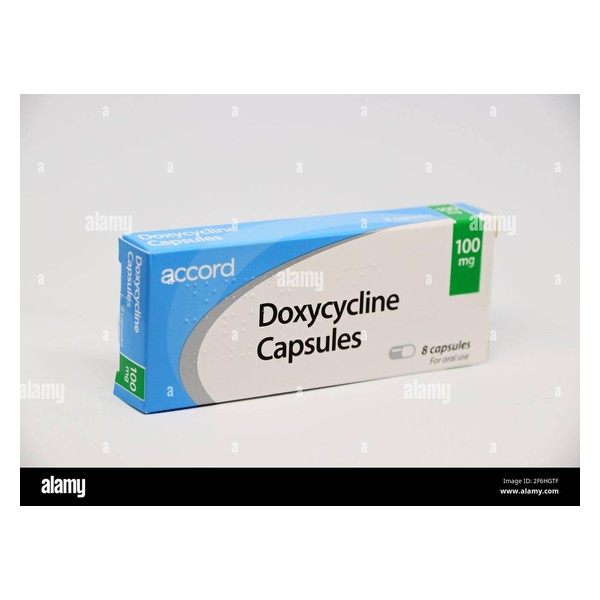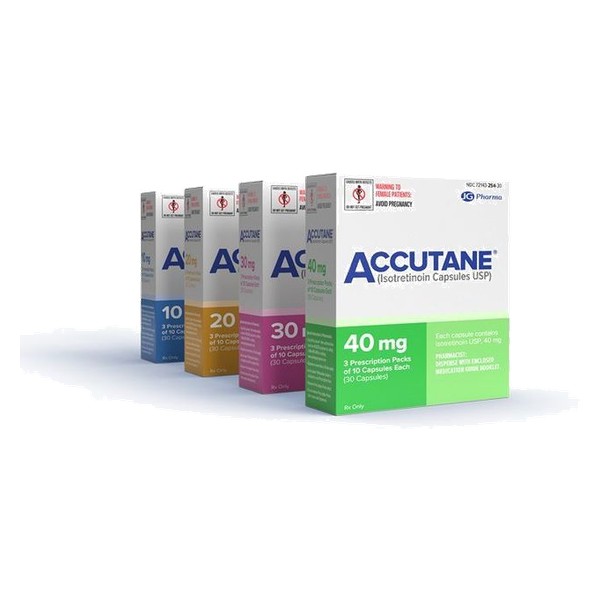
Accutane (Accutane, Claravis, Amnesteem, Absorica, Myorisan)
Skin Care Treatment
The definitive medical guide to Accutane (Isotretinoin): the most powerful treatment for severe nodular acne, detailing the iPLEDGE program, cumulative dosing strategies, and critical safety protocols.
 Amazon Pharmacy
 PharmacyChecker
 GoodRx
 Blink Health
 Costco Pharmacy
Table of Contents
Accutane Product Information
What is Accutane (Isotretinoin)?
Accutane, the most famous brand name for the generic drug isotretinoin, is a powerful oral medication used primarily for the treatment of severe, recalcitrant nodular acne. It belongs to a class of drugs known as retinoids, which are synthetic derivatives of Vitamin A (retinol). First approved by the FDA in 1982, isotretinoin revolutionized the field of dermatology by offering, for the first time, a potential cure for the most disfiguring and psychologically devastating forms of acne.
Unlike topical acne treatments or oral antibiotics that only address one or two causes of acne, isotretinoin is unique because it targets all four major pathogenic factors involved in acne development. First, it dramatically reduces the size of the sebaceous (oil) glands in the skin and decreases sebum production by up to 90%. Second, by reducing sebum, it alters the microenvironment of the hair follicle, making it inhospitable for Cutibacterium acnes (formerly Propionibacterium acnes), the bacteria responsible for acne inflammation. Third, it normalizes the shedding of dead skin cells (keratinization) within the follicle, preventing the formation of comedones (clogged pores). Finally, it exerts direct anti-inflammatory effects on the skin.
Because of its profound systemic effects and the potential for severe side effects—most notably its extreme teratogenicity (ability to cause severe birth defects)—isotretinoin is never a first-line treatment. It is reserved exclusively for patients whose acne has failed to respond to conventional therapies, including systemic antibiotics and topical retinoids.
FDA-Approved Uses and Clinical Indications
The official FDA-approved indication for isotretinoin is highly specific, reflecting the drug's potent nature and risk profile.
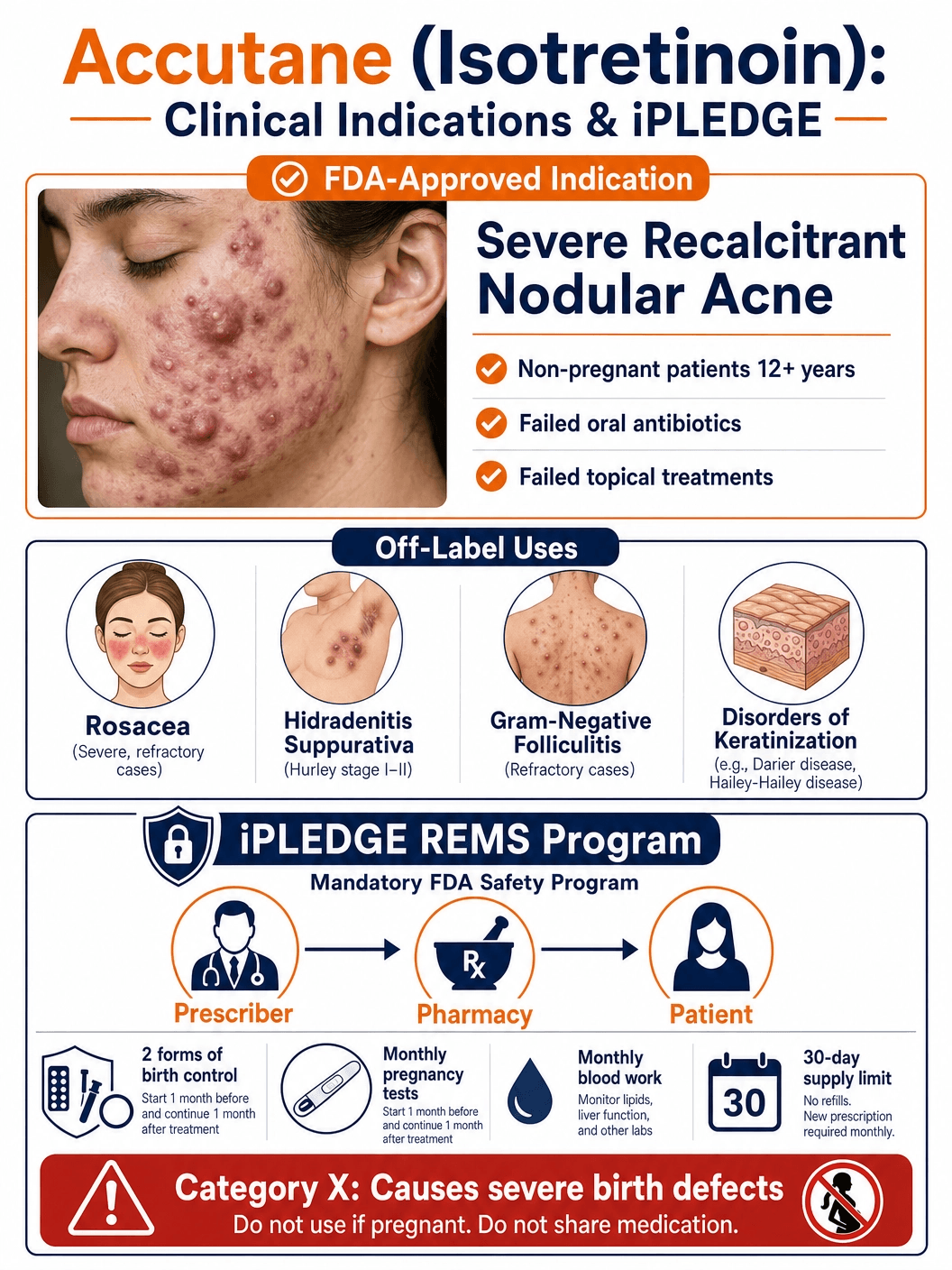
Severe Recalcitrant Nodular Acne: Isotretinoin is indicated for the treatment of severe recalcitrant nodular acne in non-pregnant patients 12 years of age and older. 'Severe' implies that the acne consists of many large, deep, painful, and inflamed nodules or cysts. 'Recalcitrant' means that the acne has not cleared up after a sufficient trial of standard therapies, including a course of oral antibiotics combined with topical treatments. This type of acne carries a very high risk of causing permanent physical scarring and significant psychological distress.
While this is the only official FDA indication, the definition of 'severe' is sometimes interpreted clinically to include acne that, while perhaps not strictly nodulocystic, is producing significant physical scarring or profound psychological impairment that is unresponsive to other treatments.
Off-Label Uses in Dermatology
Dermatologists frequently prescribe isotretinoin off-label for a variety of other challenging skin conditions that share underlying pathogenic mechanisms with acne, particularly those involving abnormal keratinization or sebaceous gland dysfunction.
Rosacea: For severe, treatment-resistant forms of rosacea (particularly the papulopustular or phymatous subtypes), low-dose isotretinoin can be highly effective in reducing inflammation and shrinking enlarged sebaceous glands, though it is not a cure for the underlying vascular reactivity.
Hidradenitis Suppurativa: This chronic, painful condition causes deep, inflamed lesions in areas where skin rubs together (like the armpits and groin). Isotretinoin is sometimes used as a second- or third-line agent to help control the inflammatory nodules and sinus tracts.
Gram-Negative Folliculitis: This is a specific type of acne-like breakout caused by a bacterial infection (often resulting from long-term antibiotic use for regular acne). Isotretinoin is considered the treatment of choice for this condition.
Other Disorders of Keratinization: It is occasionally used to manage severe cases of pityriasis rubra pilaris, Darier disease, and certain types of ichthyosis, where it helps normalize the shedding of skin cells.
The iPLEDGE REMS Program: Mandatory Safety Protocol
Because isotretinoin is a known, potent teratogen (a substance that causes severe birth defects), the FDA mandates that it can only be prescribed, dispensed, and received through a highly restricted, centralized Risk Evaluation and Mitigation Strategy (REMS) program called iPLEDGE.
The Goal: The singular goal of the iPLEDGE program is to prevent fetal exposure to isotretinoin. Even a single dose of isotretinoin taken by a pregnant woman can cause severe, life-threatening birth defects (such as hydrocephalus, microcephaly, and severe heart defects) or result in miscarriage or premature birth.
How It Works: The program requires strict compliance from all parties involved:
- Prescribers: Must be registered and activated in the iPLEDGE system. They must counsel patients on the risks, ensure negative pregnancy tests, and enter this data into the system every month before a prescription can be generated.
- Pharmacies: Must be registered with iPLEDGE. The pharmacist must check the iPLEDGE system to obtain an authorization (an RMA number) before dispensing the medication. They can only dispense a maximum 30-day supply, with no automatic refills.
- Patients (Females of Reproductive Potential): Must commit to using two separate, effective forms of birth control simultaneously for one month before starting treatment, during the entire course of treatment, and for one month after stopping treatment. They must have two negative pregnancy tests before starting, and one negative test every month before receiving their next 30-day supply. They must also complete a monthly comprehension quiz in the iPLEDGE system.
- Patients (Males and Females Not of Reproductive Potential): Must also be registered in the system and sign informed consent documents, though they are exempt from the pregnancy testing and contraceptive requirements.
The iPLEDGE system enforces a strict 'lock-out' period. If a female patient misses her window to get a pregnancy test or pick up her prescription, she is locked out of the system for 19 days and cannot receive the medication during that time.
Understanding Side Effects and Serious Risks
Isotretinoin is notorious for its extensive side effect profile. Almost all patients will experience some side effects, which are generally dose-dependent and predictable based on the drug's mechanism of action (reducing oil and altering cell turnover).
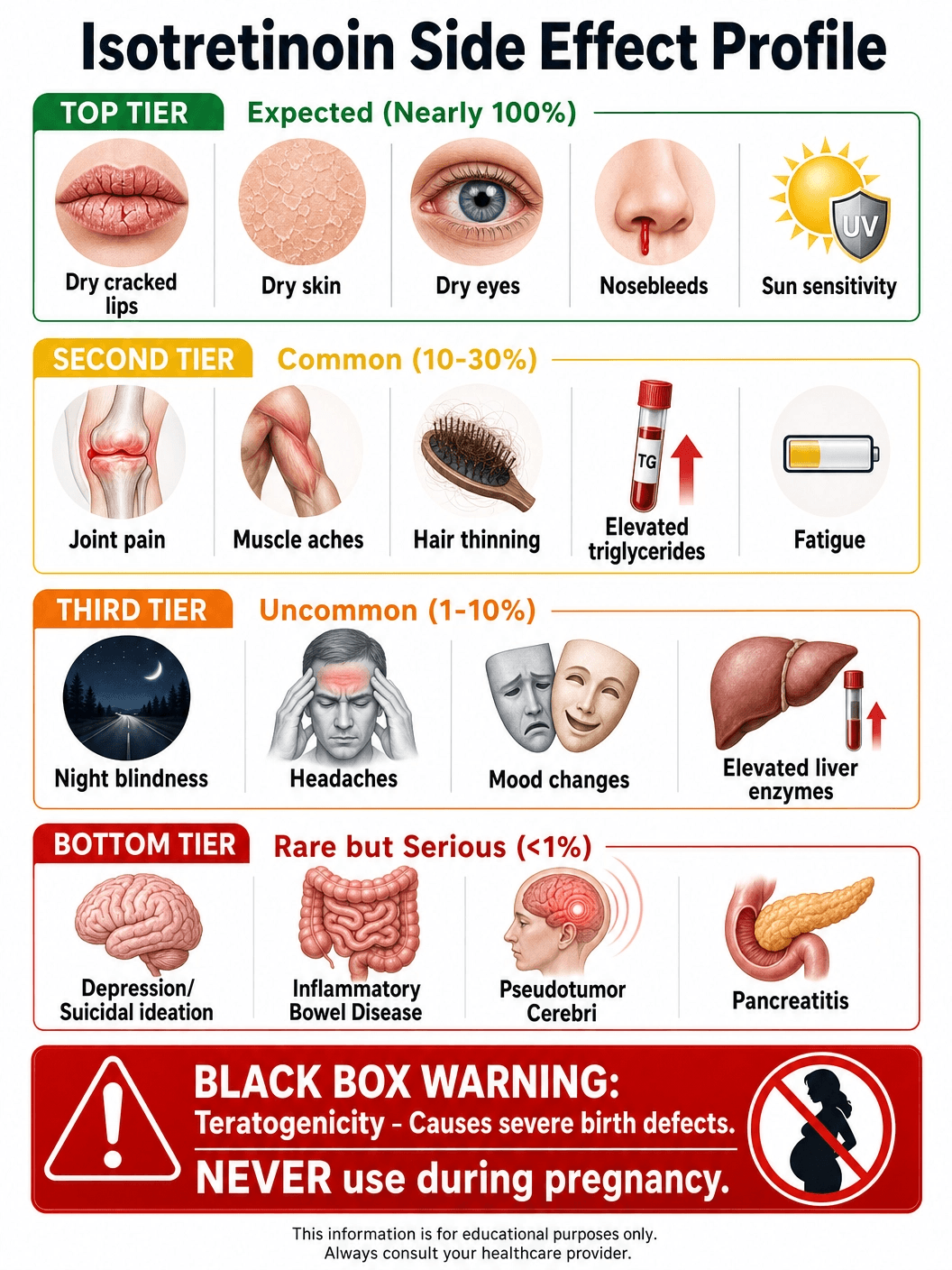
Mucocutaneous (Skin and Mucous Membranes): These are the most common side effects, affecting nearly 100% of patients. They include severe dryness of the lips (cheilitis), dry skin (xerosis), dry eyes, dry nasal passages (leading to frequent nosebleeds), and increased sensitivity to the sun (photosensitivity). Patients must aggressively use lip balm, heavy moisturizers, and sunscreen.
Musculoskeletal: Many patients experience joint pain (arthralgia), muscle aches (myalgia), and back pain, particularly those who engage in vigorous physical activity. In rare cases, premature closure of the bone growth plates (epiphyseal closure) has been reported in adolescents.
Psychiatric and Neurological: This is a highly controversial and heavily monitored area. The FDA label includes a warning that isotretinoin may cause depression, psychosis, and, rarely, suicidal ideation, suicide attempts, and suicide. While a definitive causal link is difficult to establish (as severe acne itself is a major driver of depression), patients must be closely monitored for any changes in mood, behavior, or signs of depression. Additionally, isotretinoin can rarely cause a dangerous increase in pressure within the brain (pseudotumor cerebri), characterized by severe headaches, nausea, vomiting, and visual changes.
Gastrointestinal: Isotretinoin has been associated with inflammatory bowel disease (IBD), including Crohn's disease and ulcerative colitis. Patients who develop severe abdominal pain, rectal bleeding, or severe diarrhea must stop the medication immediately.
Laboratory Abnormalities: Isotretinoin can significantly elevate blood lipid levels (triglycerides and cholesterol) and liver enzymes. Therefore, patients must undergo regular blood tests (typically a lipid panel and hepatic panel) before starting treatment and periodically throughout the course.
Contraindications and Drug Interactions
Isotretinoin is strictly contraindicated in pregnancy (Pregnancy Category X) and in patients with a known hypersensitivity to the drug or its components (some formulations contain soybean oil or parabens).
Key Drug Interactions:
- Tetracycline Antibiotics (e.g., doxycycline, minocycline): Co-administration is strictly contraindicated. Both isotretinoin and tetracyclines can independently cause increased intracranial pressure (pseudotumor cerebri). Taking them together significantly amplifies this dangerous risk.
- Vitamin A Supplements: Because isotretinoin is a Vitamin A derivative, taking additional Vitamin A supplements can lead to hypervitaminosis A, intensifying the toxic side effects of the drug.
- Progestin-Only Birth Control ('Mini-Pills'): Isotretinoin may decrease the efficacy of microdosed progestin-only oral contraceptives. Therefore, these are not considered an acceptable primary form of birth control under the iPLEDGE program.
- Systemic Corticosteroids: Concurrent use may increase the risk of developing osteoporosis or bone fractures.
Available Dosages and Administration Guidelines
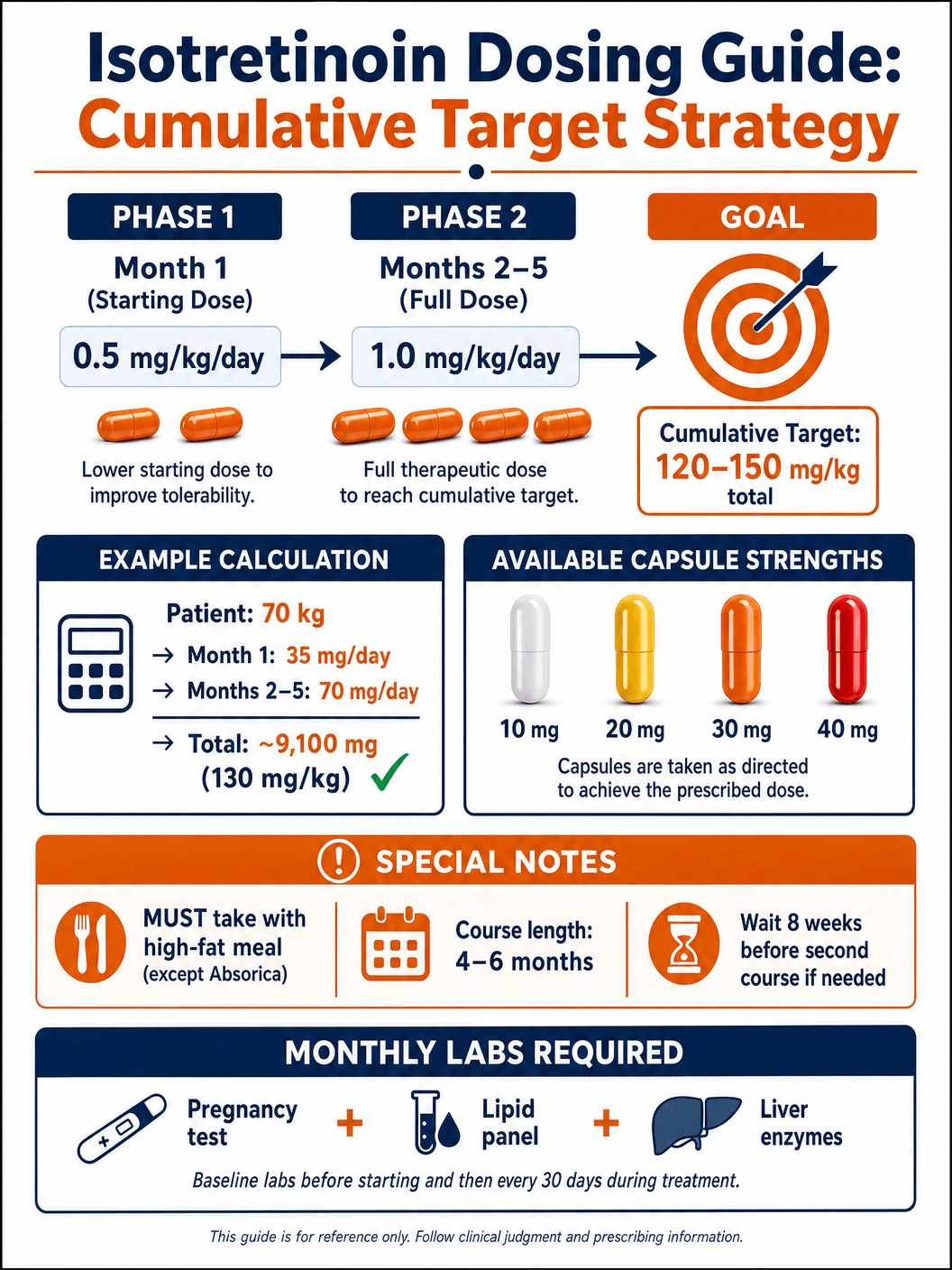
Isotretinoin therapy is unique because it is based on achieving a specific cumulative target dose over the entire course of treatment, rather than just a daily dose. The goal is to reach a total cumulative dose of 120 mg to 150 mg per kilogram of the patient's body weight. Reaching this target is crucial for ensuring long-term remission and preventing the acne from returning after the medication is stopped.
Standard Daily Dosing
The typical starting dose is 0.5 mg/kg/day. After the first month, if the patient is tolerating the medication well, the dose is usually increased to 1.0 mg/kg/day. This daily dose is typically divided into two doses taken with meals.
For example, a 70 kg (154 lb) patient might start at 35 mg per day (often rounded to 30 mg or 40 mg based on available capsule sizes) for the first month, and then increase to 70 mg per day for the remainder of the treatment.
The Treatment Course
A standard course of isotretinoin lasts between 4 to 6 months, depending on the daily dose and the patient's weight, until the cumulative target dose (120-150 mg/kg) is reached. Some severe cases may require a longer course or a higher cumulative dose. If the acne returns significantly after a successful course, a second course may be initiated, but only after a resting period of at least 8 weeks.
Low-Dose Regimens
In recent years, some dermatologists have begun utilizing low-dose regimens (e.g., 10-20 mg per day, or even less frequently) for patients who cannot tolerate the side effects of standard dosing, or for off-label uses like rosacea. While side effects are dramatically reduced, the treatment course must be significantly longer to reach the cumulative target dose, or the risk of relapse is higher.
Generic vs. Brand Name Accutane
The original brand name 'Accutane' was manufactured by Roche Pharmaceuticals. However, due to the immense legal liability and numerous lawsuits regarding side effects (particularly inflammatory bowel disease), Roche voluntarily discontinued the manufacturing and distribution of the Accutane brand in the United States in 2009.
The Generic Era: Today, 'Accutane' is used colloquially by patients and doctors, but the medication dispensed is almost always a generic formulation of isotretinoin. There are numerous FDA-approved generic brands available, including Claravis, Amnesteem, Myorisan, Zenatane, and Absorica.
Formulation Differences (Absorica): While most generics are bioequivalent to the original Accutane, they share a significant limitation: isotretinoin is highly lipophilic (fat-loving). Traditional formulations must be taken with a high-fat meal to be properly absorbed into the bloodstream. If taken on an empty stomach, absorption drops by over 50%, which can lead to treatment failure. To address this, a newer brand-name formulation called Absorica (isotretinoin capsules) was developed using a patented lipid-encapsulation technology. Absorica can be taken with or without food and still achieve optimal absorption, making it highly beneficial for patients with erratic eating habits, though it is significantly more expensive than standard generics.
Purchasing Isotretinoin: Cost, Insurance, and Legal Acquisition
Acquiring isotretinoin is a complex process entirely governed by the iPLEDGE REMS program. It cannot be purchased over-the-counter, and it cannot be legally obtained from online pharmacies that do not participate in the iPLEDGE system.
The Dispensing Process: A patient can only receive a 30-day supply at a time. The prescription must be filled within a strict window (typically 7 days from the date of the pregnancy test for females of reproductive potential, or 30 days from the office visit for others). The pharmacist must verify the patient's authorization in the iPLEDGE system before handing over the medication.
Cost and Insurance: The cost of isotretinoin therapy can be substantial. While the generic capsules themselves may cost between $100 and $300 per month out-of-pocket, the total cost of therapy must also include the mandatory monthly dermatologist visits and the required monthly blood tests and pregnancy tests. Most commercial health insurance plans cover isotretinoin, but they often require prior authorization, meaning the dermatologist must prove to the insurance company that the patient has failed other standard acne treatments before the insurance will pay for the drug.
The Psychological Impact of Severe Acne vs. Isotretinoin
The discussion surrounding isotretinoin and mental health is complex. The FDA mandates a warning regarding depression and suicidal ideation based on post-marketing reports. However, numerous large-scale psychiatric and dermatological studies have struggled to find a definitive causal link between the drug itself and increased rates of depression.
Conversely, it is a well-established medical fact that severe, nodulocystic acne is a major independent risk factor for clinical depression, anxiety, social isolation, and suicidal ideation, particularly in adolescents. For the vast majority of patients, successfully clearing their severe acne with isotretinoin results in a profound, measurable improvement in their overall mental health, self-esteem, and quality of life. The current medical consensus is that while patients must be closely monitored for mood changes while on the drug, the psychological benefits of curing severe acne usually far outweigh the potential psychiatric risks of the medication.
Isotretinoin and the Liver: Hepatic Monitoring
Because isotretinoin is metabolized by the liver and can cause hepatotoxicity, monitoring liver function is a standard part of the treatment protocol. The drug can cause transient, reversible elevations in liver enzymes (AST and ALT) in up to 15% of patients. In rare cases, it can cause clinical hepatitis.
Dermatologists typically order a baseline hepatic panel before starting treatment. If the baseline is normal, the panel is usually repeated after one or two months of therapy. If the enzymes remain stable, further testing may not be necessary unless the dose is significantly increased or the patient develops symptoms of liver dysfunction. If liver enzymes elevate significantly (typically defined as three times the upper limit of normal), the medication must be discontinued, after which the enzymes usually return to baseline.
Long-Term Outcomes and Relapse Rates
Isotretinoin is the closest thing dermatology has to a 'cure' for acne. Following a standard, adequate course of treatment (reaching the 120-150 mg/kg cumulative dose), approximately 80% to 85% of patients will experience a long-term, permanent remission of their severe acne.
However, 15% to 20% of patients may experience a significant relapse requiring further medical intervention. Relapse is more common in patients who: did not reach the cumulative target dose, have severe truncal acne (acne on the back and chest), have underlying hormonal imbalances (such as Polycystic Ovary Syndrome or PCOS), or are very young (under 16) at the time of treatment. If a relapse occurs, a second course of isotretinoin is often highly successful, provided a sufficient resting period has elapsed between courses.
Government and Regulatory Resources
For authoritative, up-to-date information regarding isotretinoin, the iPLEDGE program, safety warnings, and clinical guidelines, please consult the following official resources:
- The Official iPLEDGE REMS Program Website - The central hub for patients, prescribers, and pharmacies to manage isotretinoin therapy and compliance.
- FDA: iPLEDGE Risk Evaluation and Mitigation Strategy - Official FDA documentation and updates regarding the REMS program.
- FDA Prescribing Information for Isotretinoin - The official, comprehensive label detailing indications, black box warnings, and clinical pharmacology.
- NCBI StatPearls: Isotretinoin - A detailed clinical and pharmacological overview of isotretinoin for healthcare professionals.
Editorial Review & Medical Sources
This guide is for informational purposes and does not constitute medical advice. Content is based on clinical data from the FDA, the iPLEDGE REMS program, and the American Academy of Dermatology (AAD). Medical Reviewer: Dr. Sanjai Sinha, MD. Primary Sources: FDA Prescribing Information, StatPearls Clinical Database (NCBI).
The History and Evolution of Isotretinoin
The story of isotretinoin is one of the most fascinating in modern dermatology. Vitamin A (retinol) had long been known to influence skin health, but high doses of natural Vitamin A were far too toxic for systemic use. In the 1950s, researchers began synthesizing retinoid derivatives in hopes of finding compounds that retained the skin benefits but reduced the systemic toxicity. Isotretinoin (13-cis-retinoic acid) was first synthesized in 1955 in Switzerland.
However, its profound effect on acne was discovered somewhat serendipitously. In the 1970s, Dr. Gary Peck and researchers at the National Institutes of Health (NIH) were studying isotretinoin as a potential treatment for severe disorders of keratinization (like ichthyosis). During these trials, they observed that patients who also happened to have severe acne experienced a miraculous, complete clearing of their acne lesions. This observation led to dedicated clinical trials for severe nodulocystic acne, culminating in the FDA's approval of Accutane in 1982. It was immediately recognized as a paradigm-shifting drug, offering hope to millions who previously had no effective treatment options.
Isotretinoin and Bone Health: The Skeletal Risks
While the mucocutaneous side effects (dry skin, lips) are universally recognized, the potential impact of isotretinoin on the skeletal system is a less common but highly significant concern, particularly for pediatric and adolescent patients whose bones are still developing.
Premature Epiphyseal Closure: The most severe skeletal risk is the premature closure of the epiphyses (the growth plates at the ends of long bones). If these plates close before a child or adolescent has reached their full adult height, it can result in permanent stunted growth. While this is a rare complication, usually associated with very high doses or prolonged courses of therapy (often for conditions other than acne), it is a critical reason why isotretinoin use in young adolescents requires careful consideration and monitoring by a pediatric dermatologist.
Hyperostosis and Bone Demineralization: Long-term use or high doses of systemic retinoids can lead to hyperostosis (abnormal thickening of bone tissue), particularly along the spine (diffuse idiopathic skeletal hyperostosis, or DISH). Additionally, there is evidence suggesting that isotretinoin may decrease bone mineral density, potentially increasing the risk of osteoporosis or bone fractures later in life. Patients who engage in high-impact sports or heavy weightlifting while on isotretinoin frequently report significant joint and muscle pain, and they may be at a slightly higher risk for stress fractures during treatment.
Managing the 'Purge': The Initial Acne Flare
One of the most frustrating and psychologically challenging aspects of starting isotretinoin therapy is the phenomenon commonly referred to as the 'purge' or the initial acne flare. When a patient begins taking the medication, the drug rapidly alters the microenvironment of the skin and accelerates the turnover of skin cells within the hair follicles.
This rapid turnover often causes pre-existing microcomedones (tiny, invisible clogged pores deep under the skin) to rapidly mature and surface all at once. Clinically, this manifests as a sudden, sometimes severe worsening of the acne during the first 2 to 4 weeks of treatment. Patients may develop new, highly inflamed cysts and nodules, and their skin may look significantly worse than before they started the medication.
Clinical Management: Dermatologists anticipate this flare and often take steps to mitigate it. They may start the patient on a lower dose of isotretinoin for the first month and gradually increase it. In severe cases, or if the patient has a history of highly inflammatory acne, the dermatologist may prescribe a short course of oral corticosteroids (like prednisone) to be taken concurrently during the first few weeks of isotretinoin therapy. The steroids suppress the intense inflammatory response, preventing the severe flare and reducing the risk of subsequent scarring. Patient education is paramount here; patients must be reassured that the purge is a temporary, expected phase and that they must continue the medication to see the long-term clearing.
Dietary Considerations and Lipid Management
Because isotretinoin is a highly lipophilic (fat-soluble) molecule, its absorption and metabolism are heavily influenced by the patient's diet. Furthermore, the drug itself alters the body's lipid metabolism.
The High-Fat Meal Requirement: For standard generic formulations of isotretinoin (e.g., Claravis, Amnesteem), the medication must be taken with a meal that contains a significant amount of dietary fat. If taken on an empty stomach, the gastrointestinal tract cannot properly absorb the drug, and blood levels may drop by more than 50%. This poor absorption is a leading cause of treatment failure and acne relapse. Patients are often advised to take their dose with their largest meal of the day, or with a specific high-fat snack (like a spoonful of peanut butter or a handful of nuts). As noted earlier, the Absorica formulation bypasses this requirement via lipid-encapsulation technology.
Managing Elevated Triglycerides: Isotretinoin frequently causes an increase in serum triglycerides and, to a lesser extent, total cholesterol. While these elevations are usually mild to moderate and reverse after the medication is stopped, severe hypertriglyceridemia (levels exceeding 800 mg/dL) can precipitate acute pancreatitis, a life-threatening condition. To manage this risk, patients are advised to limit their intake of simple carbohydrates, refined sugars, and alcohol, as these dietary factors strongly contribute to triglyceride production in the liver. Regular cardiovascular exercise is also recommended to help maintain healthy lipid profiles during treatment.
Isotretinoin in the Treatment of Scarring Alopecia
Beyond acne and rosacea, isotretinoin has found a niche role in the management of certain rare, inflammatory hair loss conditions, specifically the group known as primary cicatricial (scarring) alopecias. Conditions like Lichen Planopilaris (LPP) and Frontal Fibrosing Alopecia (FFA) involve the immune system attacking and permanently destroying the hair follicles, replacing them with scar tissue.
While the exact mechanism is not fully understood, the potent anti-inflammatory properties of isotretinoin, combined with its ability to modulate the sebaceous glands (which are intimately connected to the hair follicle), can help suppress the destructive inflammation in these conditions. It is not a first-line treatment and cannot regrow hair that has already been replaced by scar tissue, but it is sometimes used off-label to halt the progression of the disease and preserve the remaining hair when other treatments (like topical steroids or antimalarial drugs) have failed.
The Impact of Isotretinoin on Vision and Ocular Health
Because isotretinoin systemically reduces the production of oils and secretions throughout the body, its effects are profoundly felt in the eyes. The meibomian glands, located along the edges of the eyelids, are specialized sebaceous glands that secrete the lipid (oil) layer of the tear film. This oil layer is crucial for preventing the rapid evaporation of tears.
Dry Eye Syndrome: Isotretinoin causes atrophy and dysfunction of these meibomian glands, leading to a significant decrease in lipid production. This results in evaporative dry eye syndrome, which is experienced by the vast majority of patients on the medication. Symptoms include a gritty, sandy feeling in the eyes, redness, burning, and blurred vision. Patients are strongly advised to use preservative-free artificial tears frequently throughout the day. Contact lens wearers often find it impossible to wear their lenses comfortably during treatment and must switch to glasses.
Night Blindness (Nyctalopia): A less common but more serious ocular side effect is decreased night vision. Because isotretinoin is a Vitamin A derivative, it can interfere with the normal processing of Vitamin A in the retina, which is essential for the function of rod cells (the photoreceptors responsible for vision in low light). Patients may experience a sudden onset of night blindness, making driving at night dangerous. If this occurs, the patient must inform their dermatologist immediately, and the medication may need to be discontinued. Night vision usually, but not always, returns to normal after the drug is stopped.
Other Ocular Complications: In rare cases, isotretinoin can cause more severe eye problems, including blepharoconjunctivitis (inflammation of the eyelids and conjunctiva), photophobia (extreme sensitivity to light), and even corneal opacities. Regular monitoring of ocular symptoms is an important part of the treatment protocol.
Isotretinoin and the Microbiome: Skin and Gut Flora
While isotretinoin is not an antibiotic, its profound effects on the skin's microenvironment inevitably alter the human microbiome, both on the skin and potentially in the gut.
The Skin Microbiome: By drastically reducing sebum production, isotretinoin removes the primary food source for Cutibacterium acnes. Studies have shown that during isotretinoin therapy, the population of C. acnes on the skin plummets. However, this ecological vacuum allows other microorganisms to proliferate. The skin microbiome shifts toward a more diverse population, often seeing an increase in Staphylococcus species. This shift is generally beneficial for resolving acne, but in some cases, the overgrowth of Staphylococcus aureus can lead to secondary bacterial skin infections, requiring topical or oral antibiotic treatment.
The Gut Microbiome and IBD: The relationship between isotretinoin, the gut microbiome, and Inflammatory Bowel Disease (IBD) is a subject of ongoing, intense research. While the absolute risk of developing IBD (Crohn's disease or ulcerative colitis) while on isotretinoin is very low, there is a documented association. Some researchers hypothesize that isotretinoin may alter the gut microbiome or affect the integrity of the intestinal mucosal barrier, potentially triggering IBD in genetically susceptible individuals. Patients with a personal or strong family history of IBD must discuss this risk thoroughly with their dermatologist and gastroenterologist before starting therapy.
Post-Treatment Care: Maintaining the Results
Completing a course of isotretinoin is a major milestone, but proper post-treatment care is essential to maintain the results and manage the long-term changes to the skin.
The Healing Phase: Immediately after stopping the medication, the skin and mucous membranes will remain extremely dry and sensitive for several weeks as the drug slowly clears from the body's tissues. Patients must continue their gentle skincare routine, using heavy moisturizers and avoiding harsh exfoliants or active ingredients (like salicylic acid or benzoyl peroxide) until the skin's natural barrier function has fully recovered.
Maintenance Therapy: While isotretinoin provides a long-term cure for the majority of patients, dermatologists almost universally recommend a long-term maintenance regimen to prevent microcomedones from forming and to keep the skin clear. This typically involves the regular use of a topical retinoid (such as tretinoin, adapalene, or tazarotene). Because the skin has been fundamentally altered by the isotretinoin, it is usually much more receptive to these topical treatments than it was before the oral therapy.
Addressing Scarring: Isotretinoin stops new acne from forming, but it does not erase the physical scars left behind by years of severe nodulocystic breakouts. Once the patient has been off isotretinoin for at least 6 months (to allow the skin's healing capacity to normalize), they can begin to explore cosmetic procedures to address the scarring. These may include microneedling, chemical peels, laser resurfacing, or subcision. Performing these procedures while the patient is still on isotretinoin, or immediately after stopping, carries a high risk of atypical scarring and delayed wound healing.
The Pharmacokinetics of Isotretinoin
Understanding how the body absorbs, distributes, metabolizes, and excretes isotretinoin is crucial for optimizing treatment and minimizing toxicity.
Absorption and Bioavailability: As previously emphasized, isotretinoin is highly lipophilic. When taken on an empty stomach, its oral bioavailability is relatively low (around 25%). However, when taken with a high-fat meal, absorption increases dramatically, often doubling the peak plasma concentration. Once absorbed, it is highly bound to plasma proteins, primarily albumin (greater than 99.9%).
Metabolism: Isotretinoin is extensively metabolized in the liver by the cytochrome P450 enzyme system. The major active metabolite is 4-oxo-isotretinoin, which reaches steady-state concentrations in the blood that are significantly higher than the parent drug itself. Other metabolites include tretinoin (all-trans retinoic acid) and 4-oxo-tretinoin. The presence of these active metabolites contributes to both the therapeutic efficacy and the side effect profile of the medication.
Excretion and Half-Life: The drug and its metabolites are excreted in roughly equal proportions in the urine and feces. The terminal elimination half-life of isotretinoin is approximately 21 hours, while the half-life of its major active metabolite, 4-oxo-isotretinoin, is significantly longer, at around 50 hours. This relatively long half-life is why the drug continues to exert effects (and why pregnancy must be strictly avoided) for a full month after the final dose is taken.
Accutane Quick View
| Active Ingredient | Isotretinoin (13-cis-retinoic acid) |
|---|---|
| Manufacturer | Various (Generic) / Sun Pharma (Absorica) |
| Type | Oral Retinoid |
| Onset | Initial flare ('purge') in weeks 1-4; significant clearing by month 2-3 |
| Duration | Standard course is 4-6 months; effects are often permanent |
| Food Interaction | MUST be taken with a high-fat meal for absorption (except Absorica brand). |
| Alcohol | Avoid. Alcohol increases the risk of severe liver toxicity and hypertriglyceridemia. |
| Prescription | Required (Strictly regulated via iPLEDGE REMS program) |
Accutane Side Effects
Common Side Effects
- Severe dryness of lips (cheilitis), skin, and eyes.
- Nosebleeds (epistaxis) due to dry nasal mucosa.
- Joint and muscle pain (arthralgia/myalgia).
Uncommon Side Effects
- Temporary hair thinning or shedding.
- Decreased night vision (nyctalopia).
- Elevated liver enzymes and triglycerides.
Rare Side Effects
- Severe depression or suicidal ideation.
- Inflammatory Bowel Disease (IBD).
- Increased intracranial pressure (pseudotumor cerebri).
Important Warning: CRITICAL TERATOGENIC WARNING: Isotretinoin causes severe, life-threatening birth defects. It must NEVER be used by pregnant women. Female patients must use two forms of birth control and undergo monthly pregnancy testing via the iPLEDGE program.
More Information About Accutane
Storage
Store at room temperature away from light and moisture. Keep out of reach of children and pets.
Contraindications
Pregnancy, breastfeeding, hypersensitivity to retinoids, soybean oil, or parabens. Concurrent use of tetracycline antibiotics.
Drug Interactions
Tetracyclines (doxycycline, minocycline) increase risk of brain swelling. Vitamin A supplements cause severe toxicity. Progestin-only 'mini-pills' may be less effective.
Accutane FAQs
This is a very common phenomenon known as the 'purge.' The medication rapidly accelerates skin cell turnover, bringing deep, hidden clogs to the surface all at once. This flare usually subsides after the first 2 to 4 weeks.
Yes, unless you are taking the specific brand 'Absorica.' Standard generic isotretinoin is highly fat-soluble. If taken on an empty stomach, your body will only absorb about half the medication, which can lead to treatment failure.
It is strongly advised to avoid alcohol. Both isotretinoin and alcohol are processed by the liver and both can raise your triglyceride levels. Combining them significantly increases the risk of liver damage and pancreatitis.
For about 80-85% of patients who reach their full cumulative target dose, the clearing is permanent. However, about 15-20% of patients may experience a relapse that requires a second course of treatment.
iPLEDGE is a mandatory FDA safety program designed to prevent pregnant women from taking isotretinoin, as it causes severe birth defects. It requires doctors, pharmacies, and patients to register and comply with strict monthly rules, including pregnancy tests and birth control.
Written and Reviewed by Our Qualified Team

Find out more about our medical content authors and how we ensure the accuracy of our content.
Content last updated: 21 May 2026
Accutane Reviews
Based on 88 reviews
Accutane was effective, but the side effects were noticeable. Still, I'm happy with the outcome.
The results from Accutane are incredible. My skin is completely transformed.
My dermatologist recommended Accutane, and I'm so happy I listened. My skin is finally clear.
I had a great experience with Accutane. My skin is clear, and I feel much more confident.
The side effects of Accutane, especially dry lips, were tough, but worth the treatment for the clear skin I have today.
Accutane worked wonders for my severe acne. It took a few months, but the improvement is incredible.
The side effects of Accutane, especially dry lips, were tough, but worth it for the clear skin I have today.
After years of struggling with acne, Accutane finally gave me the clear complexion I always wanted. Highly recommend.
I can't believe how much Accutane improved my skin. It's truly a miracle drug for acne.
After years of struggling with acne, Accutane finally gave me the clear complexion I always wanted. Highly recommend.
Dealing with dry skin and lips was the hardest part of Accutane, but the clear skin is worth it.
Accutane was effective, but the side effects were noticeable. Still, I'm happy with the outcome.
I was hesitant to try Accutane, but it was a game-changer for my acne. My skin is so much better now.
After years of struggling with acne, Accutane finally gave me the clear complexion I always wanted. Highly recommend.
Accutane was effective, but the side effects were noticeable. Still, I'm happy with the outcome.
Dryness was a constant battle with Accutane, but the clear skin makes it all worthwhile.
The side effects of Accutane, especially dry lips, were tough, but worth the experience for the clear skin I have today.
Accutane helped me regain my confidence. My skin is clear and healthy-looking.
After years of struggling with acne, Accutane finally gave me the clear complexion I always wanted. Highly recommend.
I was hesitant to try Accutane, but it was a game-changer for my acne. My skin is so much better now.
Accutane was a lifesaver for my cystic acne. The dryness was manageable with a good moisturizer.
Accutane worked wonders for my severe acne. It took a few months, but the improvement is incredible.
The journey with Accutane had its ups and downs, but the end result of clear skin is fantastic.
Accutane helped me regain my confidence. My skin is clear and healthy-looking.
The journey with Accutane had its ups and downs, but the end result of clear skin is fantastic.
My dermatologist recommended Accutane, and I'm so happy I listened. My skin is finally clear.
The results from Accutane are incredible. My skin is completely transformed.
It took time, but Accutane cleared my stubborn acne. Patience is key with this medication.
The results from Accutane are incredible. My skin is completely transformed.
I was hesitant to try Accutane, but it was a very game-changer for my acne. My skin is so much better now.
Accutane was a lifesaver for my cystic acne. The dryness was manageable with a good moisturizer.
The initial breakout on Accutane was challenging, but I pushed through, and now my skin is flawless.
I was hesitant to try Accutane, but it was a game-changer for my acne. My skin is so much better now.
I'm so glad I decided to go on Accutane. My skin has never looked better.
My dermatologist recommended Accutane, and I'm so happy I listened. My skin is finally clear.
After years of struggling with acne, Accutane finally gave me the clear complexion I always wanted. Highly recommend.
Accutane was effective, but the side effects were noticeable. Still, I'm happy with the outcome.
The initial breakout on Accutane was challenging, but I pushed through, and now my skin is flawless.
Accutane changed my life. No more embarrassing breakouts, just smooth, clear skin.
Dealing with dry skin and lips was the hardest part of Accutane, but the clear skin is worth it.
The side effects of Accutane, especially dry lips, were tough, but worth the journey for the clear skin I have today.
Accutane helped me regain my confidence. My skin is clear and healthy-looking.
I was hesitant to try Accutane, but it was a game-changer for my acne. My skin is so much better now.
Accutane helped me regain my confidence. My skin is clear and healthy-looking.
I was hesitant to try Accutane, but it was a very game-changer for my acne. My skin is so much better now.
The side effects of Accutane, especially dry lips, were tough, but worth the treatment for the clear skin I have today.
Accutane was a lifesaver for my cystic acne. The dryness was manageable with a good moisturizer.
It's a strong medication, but Accutane delivered on its promise. My acne is gone.
Accutane was a lifesaver for my cystic acne. The dryness was manageable with a good moisturizer.
I was hesitant to try Accutane, but it was a game-changer for my acne. My skin is so much better now.
It's a strong medication, but Accutane delivered on its promise. My acne is gone.
Accutane changed my life. No more embarrassing breakouts, just smooth, clear skin.
The initial breakout on Accutane was challenging, but I pushed through, and now my skin is flawless.
Dealing with dry skin and lips was the hardest part of Accutane, but the clear skin is worth it.
Accutane helped me regain my confidence. My skin is clear and healthy-looking.
I had a great experience with Accutane. My skin is clear, and I feel much more confident.
I was hesitant to try Accutane, but it was a truly game-changer for my acne. My skin is so much better now.
I can't believe how much Accutane improved my skin. It's truly a miracle drug for acne.
I can't believe how much Accutane improved my skin. It's truly a miracle drug for acne.
I can't believe how much Accutane improved my skin. It's truly a miracle drug for acne.
It's a strong medication, but Accutane delivered on its promise. My acne is gone.
Accutane worked wonders for my severe acne. It took a few months, but the improvement is incredible.
I was hesitant to try Accutane, but it was a game-changer for my acne. My skin is so much better now.
Accutane really helped clear up my skin. The results were amazing, though I did experience some dryness.
Accutane changed my life. No more embarrassing breakouts, just smooth, clear skin.
Accutane was a lifesaver for my cystic acne. The dryness was manageable with a good moisturizer.
I'm so glad I decided to go on Accutane. My skin has never looked better.
My dermatologist recommended Accutane, and I'm so happy I listened. My skin is finally clear.
The results from Accutane are incredible. My skin is completely transformed.
Dryness was a constant battle with Accutane, but the clear skin makes it all worthwhile.
Accutane really helped clear up my skin. The results were amazing, though I did experience some dryness.
The results from Accutane are incredible. My skin is completely transformed.
Accutane was a lifesaver for my cystic acne. The dryness was manageable with a good moisturizer.
My dermatologist recommended Accutane, and I'm so happy I listened. My skin is finally clear.
Accutane worked wonders for my severe acne. It took a few months, but the improvement is incredible.
I was hesitant to try Accutane, but it was a game-changer for my acne. My skin is so much better now.
Accutane really helped clear up my skin. The results were surprisingly amazing, though I did experience some dryness.
Accutane worked wonders for my severe acne. It took a few months, but the improvement is incredible.
The initial breakout on Accutane was challenging, but I pushed through, and now my skin is flawless.
It took time, but Accutane cleared my stubborn acne. Patience is key with this medication.
Accutane really helped clear up my skin. The results were amazing, though I did experience some dryness.
I can't believe how much Accutane improved my skin. It's truly a miracle drug for acne.
It's a strong medication, but Accutane delivered on its promise. My acne is gone.
The results from Accutane are incredible. My skin is completely transformed.
Dealing with dry skin and lips was the hardest part of Accutane, but the clear skin is worth it.
My dermatologist recommended Accutane, and I'm so happy I listened. My skin is finally clear.
After years of struggling with acne, Accutane finally gave me the clear complexion I always wanted. Highly recommend.
I'm so glad I decided to go on Accutane. My skin has never looked better.
Leave a Review
How Does It Work?
Research
Read our comprehensive review to understand the medication
Consult Your Doctor
Discuss the medication with your healthcare provider
Get Your Prescription
Obtain a valid prescription from your doctor