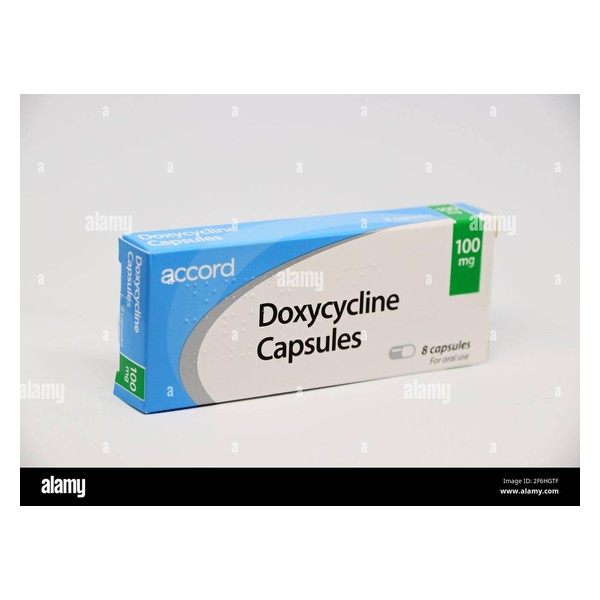
Doxycycline (Vibramycin, Doryx, Monodox, Oracea, Adoxa)
General Health Treatment
The definitive medical guide to Doxycycline: clinical uses, dosing considerations, safety precautions, sun sensitivity warnings, drug interactions, and patient education for infection treatment and malaria prevention.
 PharmacyChecker
 GoodRx
 Amazon Pharmacy
 Costco Pharmacy
 Blink Health
Table of Contents
Doxycycline Product Information
What is Doxycycline?
Doxycycline is a broad-spectrum antibiotic belonging to the tetracycline class. First synthesized in the early 1960s and approved by the FDA in 1967, it has become one of the most widely prescribed and versatile antibiotics in modern medicine. Unlike older tetracyclines, doxycycline is highly lipophilic (fat-soluble), which allows it to easily penetrate cell membranes and reach high concentrations in various body tissues, including the skin, prostate, and eyes.
It is available in two primary salt forms: doxycycline hyclate (which is highly soluble in water) and doxycycline monohydrate (which is less soluble). While both forms are equally effective in treating infections, the monohydrate form is often preferred for patients who experience gastrointestinal upset, as it is generally considered gentler on the stomach. Doxycycline is listed on the World Health Organization's List of Essential Medicines, underscoring its critical role in global healthcare.
Mechanism of Action: How Doxycycline Works
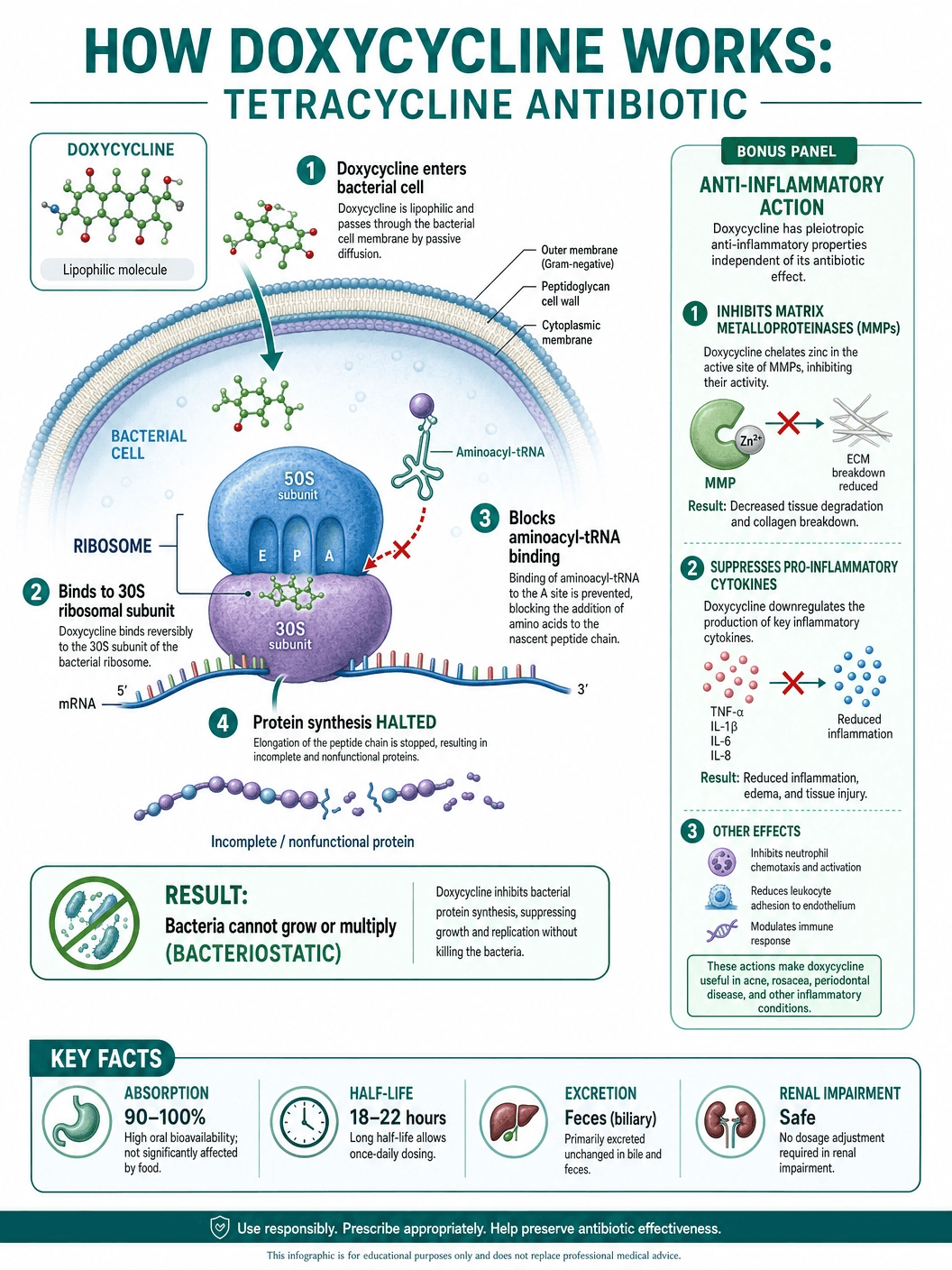
Doxycycline exerts its antibacterial effects by inhibiting protein synthesis within the bacterial cell. To survive and multiply, bacteria must continuously produce essential proteins. They do this using ribosomes, which are complex molecular machines that translate genetic information into proteins.
Targeting the 30S Ribosomal Subunit: Doxycycline specifically binds to the 30S subunit of the bacterial ribosome. By attaching to this site, it physically blocks the binding of aminoacyl-tRNA to the messenger RNA (mRNA) complex. Without this crucial step, the bacteria cannot add new amino acids to the growing peptide chain, effectively halting protein production.
Bacteriostatic vs. Bactericidal: Because it stops bacteria from growing and multiplying rather than killing them directly, doxycycline is classified as a bacteriostatic antibiotic. By pausing bacterial replication, it gives the patient's own immune system the time and opportunity to clear the existing infection. In addition to its antibacterial properties, doxycycline also exhibits significant anti-inflammatory effects, which makes it highly effective in treating non-infectious inflammatory conditions like rosacea.
FDA-Approved Uses and Clinical Indications
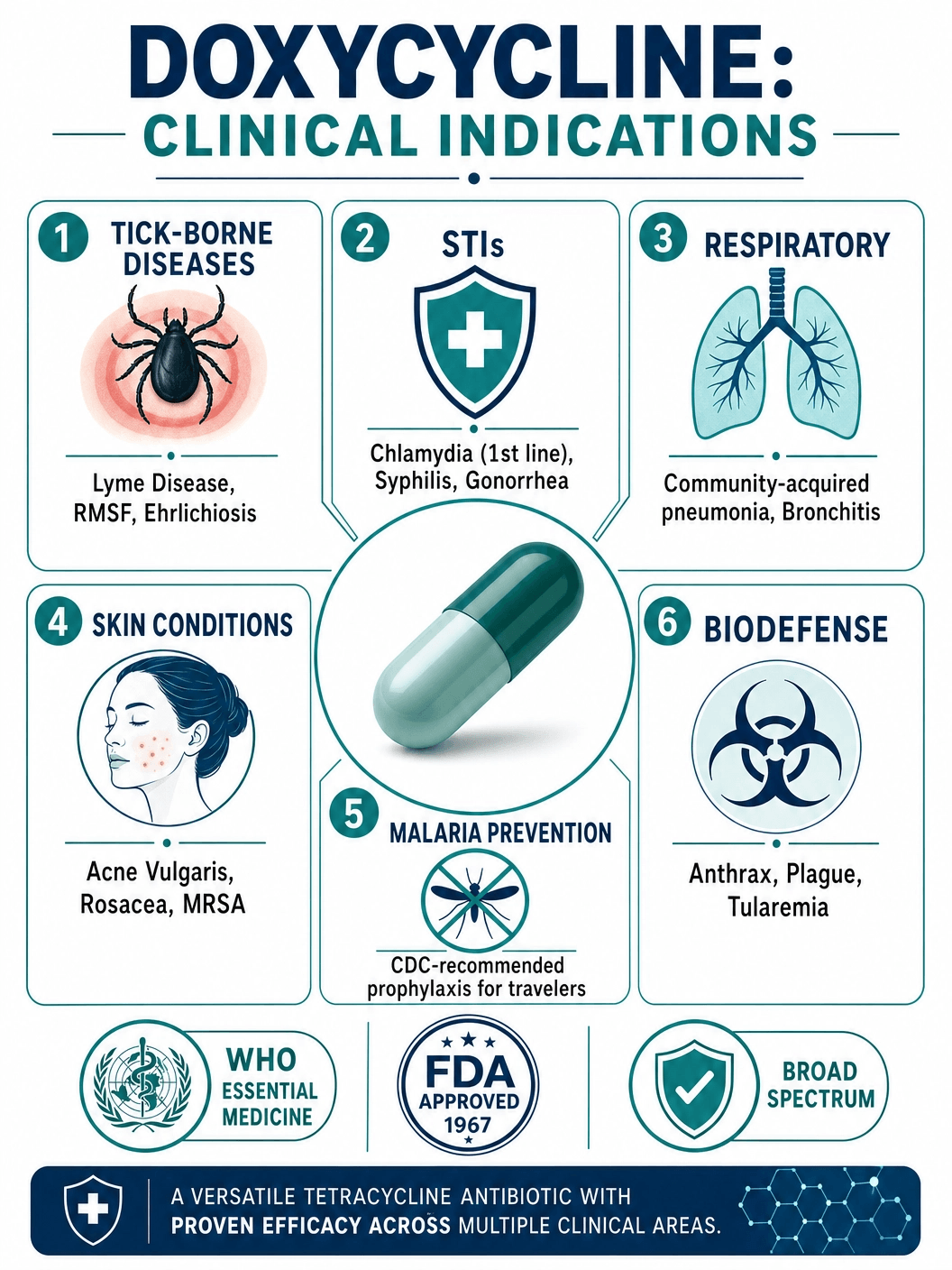
Doxycycline's broad spectrum of activity makes it the treatment of choice for a wide variety of bacterial infections, particularly those caused by atypical organisms that do not respond to standard penicillins or cephalosporins.
Respiratory Tract Infections: It is frequently prescribed for community-acquired pneumonia, acute exacerbations of chronic bronchitis, and sinusitis, especially when caused by atypical pathogens like Mycoplasma pneumoniae or Chlamydophila pneumoniae.
Sexually Transmitted Infections (STIs): Doxycycline is a first-line treatment for Chlamydia trachomatis, one of the most common STIs worldwide. It is also used as an alternative treatment for syphilis and gonorrhea in patients who are allergic to penicillin.
Tick-Borne and Zoonotic Diseases: Perhaps its most famous application is in the treatment of tick-borne illnesses. It is the gold standard therapy for Lyme disease (caused by Borrelia burgdorferi) and Rocky Mountain spotted fever (caused by Rickettsia rickettsii). It is also used to treat Q fever, ehrlichiosis, and anthrax.
Skin and Soft Tissue Infections: Due to its excellent tissue penetration and anti-inflammatory properties, it is highly effective in treating severe acne vulgaris and rosacea. It is also used for skin infections caused by susceptible strains of MRSA (Methicillin-resistant Staphylococcus aureus).
Off-Label Uses in Modern Medicine
Beyond its FDA-approved indications, doxycycline is frequently utilized off-label for several important medical conditions, guided by extensive clinical experience and emerging research.
Malaria Prophylaxis: Doxycycline is widely recommended by the CDC and WHO for the prevention of malaria in travelers visiting areas where chloroquine-resistant Plasmodium falciparum is endemic. It is typically started 1-2 days before travel, taken daily during the trip, and continued for 4 weeks after returning.
Periodontal Disease: A specialized, low-dose formulation of doxycycline (Periostat) is used as an adjunct to scaling and root planing in the treatment of adult periodontitis. At this sub-antimicrobial dose (20mg), it does not kill bacteria but instead inhibits collagenase, an enzyme that destroys gum tissue and bone.
Ocular Rosacea and Blepharitis: Ophthalmologists frequently prescribe low-dose doxycycline to treat chronic inflammation of the eyelids (blepharitis) and ocular rosacea. Its anti-inflammatory properties help improve the function of the meibomian glands, reducing dry eye symptoms.
Understanding Side Effects and Tolerability
While generally well-tolerated, doxycycline has a distinct side effect profile that patients must be aware of to ensure safe and effective treatment.
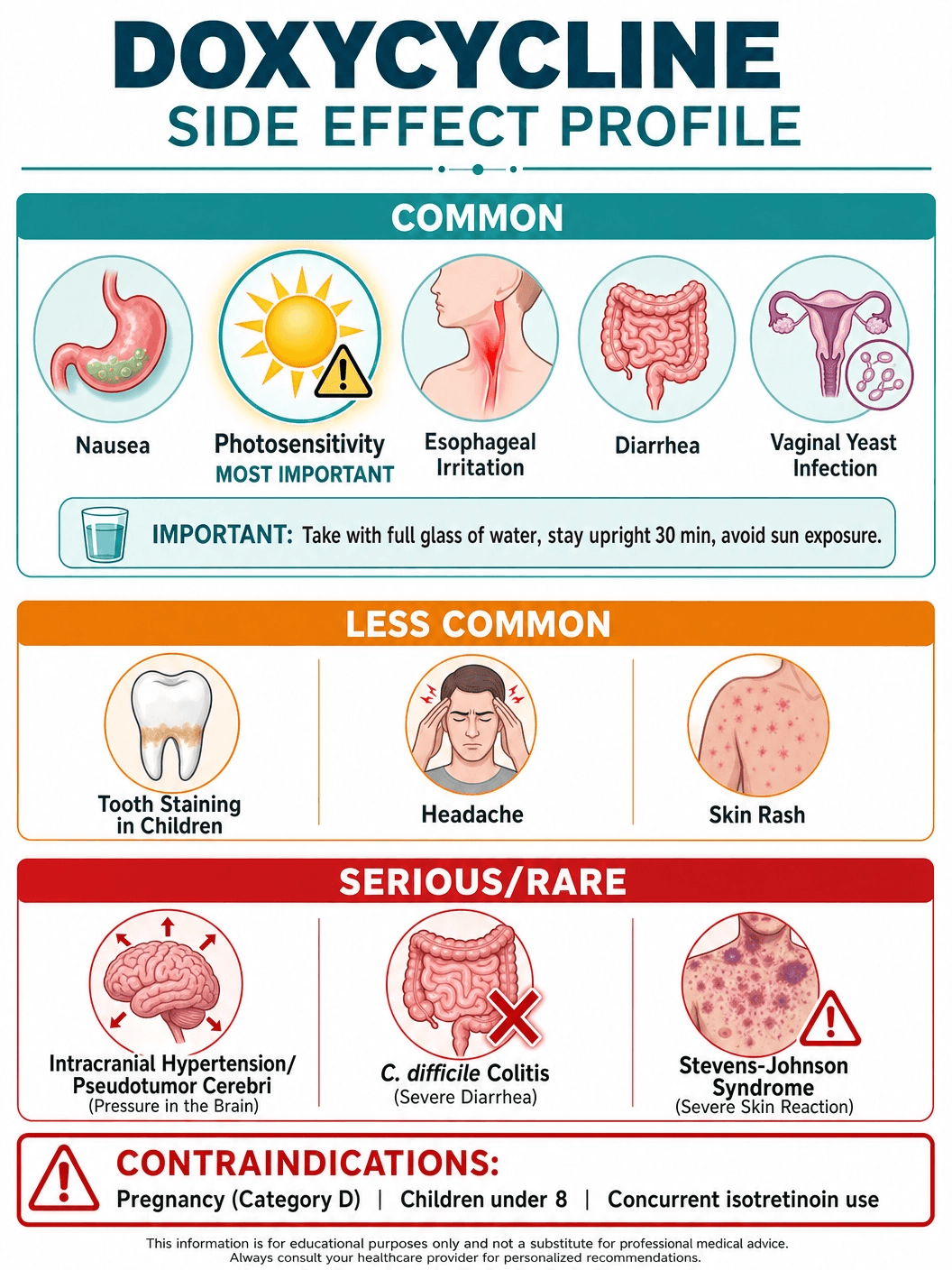
Gastrointestinal Distress: The most common side effects are nausea, vomiting, diarrhea, and abdominal pain. These can often be mitigated by taking the medication with food (though avoiding dairy, as discussed later) or switching from the hyclate to the monohydrate form.
Photosensitivity: Doxycycline significantly increases the skin's sensitivity to ultraviolet (UV) light. Patients are at a high risk of developing severe sunburns even with brief exposure to sunlight. It is crucial to wear protective clothing, use broad-spectrum sunscreen (SPF 30 or higher), and avoid tanning beds while on this medication.
Esophageal Irritation and Ulceration: If a doxycycline capsule gets stuck in the esophagus, it can cause severe irritation, inflammation (esophagitis), and even painful ulcers. To prevent this, patients must take the pill with a full glass of water (at least 8 ounces) and remain upright (sitting or standing) for at least 30 minutes after taking it. It should never be taken right before lying down to sleep.
Contraindications and Special Populations
Doxycycline is contraindicated in patients with a known hypersensitivity or allergy to any tetracycline antibiotic. Furthermore, its use is heavily restricted in certain populations due to specific developmental risks.
Pregnancy and Breastfeeding: Doxycycline is classified as a Pregnancy Category D drug. It crosses the placenta and can cause fetal harm. Specifically, if taken during the second or third trimester, it can bind to calcium in developing bones and teeth, leading to permanent yellow-gray-brown discoloration of the baby's teeth and temporary inhibition of bone growth. It is also excreted in breast milk and should be avoided by nursing mothers.
Children Under 8 Years Old: For the same reasons regarding tooth discoloration and enamel hypoplasia, doxycycline is generally contraindicated in children under the age of 8. However, the CDC and American Academy of Pediatrics have made a critical exception: doxycycline is the first-line treatment for Rocky Mountain spotted fever and anthrax in patients of all ages, including young children, because the risk of death from these severe infections far outweighs the risk of cosmetic tooth discoloration.
Available Dosages and Administration Guidelines
Doxycycline is available in various forms, including capsules, tablets, oral suspensions, and intravenous injections. The dosage and duration of treatment depend entirely on the specific infection being treated.
Standard Adult Dosing (100mg)
The most common adult dosage for acute bacterial infections (such as respiratory infections or STIs) is 100mg taken every 12 hours (twice daily) on the first day, followed by a maintenance dose of 100mg once daily or 100mg twice daily, depending on the severity of the infection. For severe infections like syphilis or Lyme disease, 100mg twice daily is the standard protocol, often for 14 to 28 days.
Low-Dose Anti-Inflammatory Dosing (20mg - 40mg)
For the treatment of inflammatory conditions like rosacea or periodontitis, sub-antimicrobial doses are used. Formulations like Oracea (40mg delayed-release) or Periostat (20mg) are prescribed once or twice daily. At these low doses, the drug exerts its anti-inflammatory effects without altering the body's normal bacterial flora, significantly reducing the risk of antibiotic resistance or yeast infections during long-term use.
Pediatric Dosing (Weight-Based)
For children over 8 years old (or younger children in life-threatening situations like RMSF), the dosage is calculated based on body weight. The standard recommendation is 2.2 mg/kg of body weight every 12 hours on the first day, followed by 2.2 mg/kg once daily or divided into two doses for maintenance. For children weighing more than 45 kg (99 lbs), the standard adult dose is used.
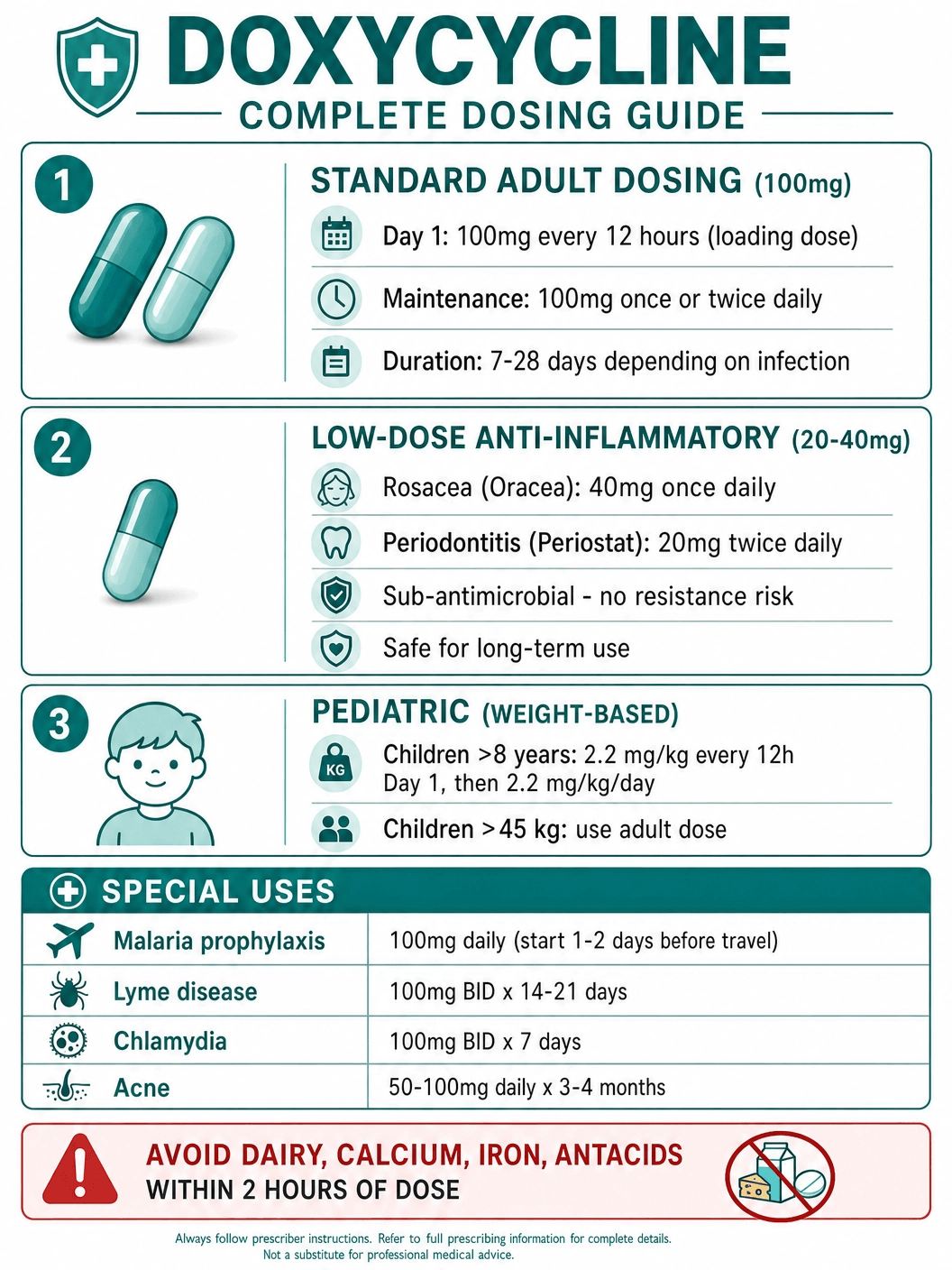
Generic vs. Brand Name Doxycycline
Doxycycline has been off-patent for decades, meaning it is widely available as a highly affordable generic medication. However, several brand-name formulations exist, often designed to improve tolerability or target specific conditions.
Generic Doxycycline: Available as both hyclate and monohydrate salts, generic doxycycline is FDA-approved to be bioequivalent to the original brand names. It is the most cost-effective option and is suitable for the vast majority of patients requiring antibiotic therapy.
Brand Name Formulations:
- Vibramycin: One of the original brand names, available as capsules, tablets, and oral suspension.
- Doryx: A delayed-release formulation of doxycycline hyclate designed to bypass the stomach and dissolve in the small intestine, significantly reducing gastrointestinal upset and the risk of esophageal irritation.
- Oracea: A 40mg delayed-release capsule specifically approved for the inflammatory lesions of rosacea. It provides a sub-antimicrobial dose that reduces inflammation without causing antibiotic resistance.
- Acticlate: A specific formulation of doxycycline hyclate tablets designed with dual scoring, allowing the tablet to be easily broken into thirds or halves for precise dose adjustments.
When choosing between generic and brand-name options, patients should discuss their specific needs, insurance coverage, and history of gastrointestinal sensitivity with their healthcare provider.
Purchasing Doxycycline: Cost, Insurance, and Legal Acquisition
Doxycycline is a prescription-only medication in the United States and most other countries. It cannot be legally purchased over-the-counter.
Cost and Insurance: Generic doxycycline is remarkably inexpensive. A standard course of treatment (e.g., 14 capsules of 100mg) typically costs between $10 and $30 out-of-pocket at most major pharmacies. It is covered by virtually all Medicare and commercial insurance plans, often with a minimal Tier 1 copay. Brand-name formulations like Doryx or Oracea, however, can be significantly more expensive (often hundreds of dollars per month) and may require prior authorization from insurance companies.
Legal Acquisition: To obtain doxycycline, a patient must have a valid prescription from a licensed healthcare provider (doctor, nurse practitioner, or physician assistant). This requires a medical evaluation, which can often be conducted via telehealth services for straightforward conditions like acne or malaria prophylaxis.
Warning Against Unverified Sources: Patients should never attempt to purchase doxycycline from unverified online pharmacies or overseas vendors that do not require a prescription. These sources often sell counterfeit, expired, or contaminated medications. Furthermore, taking antibiotics without medical supervision contributes to the global crisis of antibiotic resistance and can mask the symptoms of more serious underlying infections.
Dietary Considerations: The Calcium and Iron Interaction
One of the most critical aspects of taking doxycycline is understanding its interaction with certain foods and supplements. Doxycycline is a chelating agent, meaning it readily binds to multivalent cations (metal ions) in the digestive tract.
The Dairy and Antacid Problem: If doxycycline is taken alongside foods high in calcium (like milk, cheese, or yogurt), iron supplements, magnesium, zinc, or aluminum-based antacids (like Tums or Maalox), the drug binds to these minerals, forming an insoluble complex. This complex cannot be absorbed through the intestinal wall, meaning the antibiotic passes straight through the digestive system without ever entering the bloodstream. This renders the medication completely ineffective and can lead to treatment failure.
The 2-Hour Rule: To prevent this interaction, patients must strictly adhere to the "2-hour rule." Doxycycline should be taken at least 1 hour before or 2 hours after consuming any dairy products, antacids, or vitamin/mineral supplements. While the medication can be taken with a light, non-dairy meal to reduce stomach upset, it must be separated from these specific interfering substances.
Doxycycline and the Microbiome: Managing Dysbiosis
Like all broad-spectrum antibiotics, doxycycline does not discriminate between the pathogenic bacteria causing an infection and the beneficial bacteria that make up the human microbiome, particularly in the gut and vagina.
Gut Flora Disruption: By killing off healthy gut bacteria, doxycycline can cause antibiotic-associated diarrhea. In severe cases, this disruption allows opportunistic pathogens like Clostridioides difficile (C. diff) to overgrow, leading to severe, potentially life-threatening colitis. Patients experiencing severe, watery, or bloody diarrhea during or after treatment must contact their doctor immediately.
Yeast Infections: In women, the depletion of protective Lactobacillus bacteria in the vagina can lead to an overgrowth of Candida albicans, resulting in a vaginal yeast infection. Symptoms include intense itching and a thick, white discharge.
Probiotic Support: To mitigate these risks, many healthcare providers recommend taking a high-quality probiotic supplement (containing strains like Lactobacillus rhamnosus or Saccharomyces boulardii) while on doxycycline therapy. However, because the antibiotic will also kill the probiotic bacteria, the probiotic must be taken at least 2 hours apart from the doxycycline dose.
Doxycycline in Veterinary Medicine
Doxycycline's utility extends far beyond human medicine; it is a cornerstone of veterinary pharmacology, particularly for dogs and cats.
Canine and Feline Applications: It is the primary treatment for a variety of tick-borne diseases in pets, including Lyme disease, ehrlichiosis, and anaplasmosis. It is also highly effective against respiratory infections (like kennel cough), leptospirosis, and certain types of urinary tract infections.
Heartworm Treatment Protocol: Interestingly, doxycycline plays a crucial role in the treatment of canine heartworm disease. While it does not kill the heartworms themselves, it targets Wolbachia, a symbiotic bacterium that lives inside the heartworms. By eliminating Wolbachia, doxycycline weakens the heartworms, makes them more susceptible to the actual heartworm-killing drugs (adulticides), and significantly reduces the severe inflammatory response that occurs when the worms die.
Veterinary Precautions: Just as in humans, doxycycline can cause esophageal strictures in pets, particularly cats. Veterinarians strongly advise following the pill with a small amount of water or food to ensure it reaches the stomach safely.
The Threat of Antibiotic Resistance
The widespread and sometimes indiscriminate use of antibiotics has led to the global crisis of antimicrobial resistance (AMR). While doxycycline remains highly effective against many pathogens, resistance is a growing concern.
Mechanisms of Resistance: Bacteria can develop resistance to tetracyclines through several mechanisms, most commonly by acquiring genes that produce efflux pumps (which actively pump the drug out of the bacterial cell) or ribosomal protection proteins (which dislodge the drug from its binding site on the ribosome).
Stewardship and Responsible Use: To preserve the efficacy of doxycycline for future generations, it must be used responsibly. This means prescribing it only for confirmed or highly suspected bacterial infections, never for viral infections like the common cold or flu. Patients must complete the entire prescribed course of therapy, even if they feel better after a few days, to ensure all bacteria are eradicated and to prevent the survival of resistant mutant strains.
Government and Regulatory Resources
For the most accurate, up-to-date, and comprehensive information regarding doxycycline, patients and healthcare professionals should consult official government and regulatory resources:
- U.S. Food and Drug Administration (FDA): The FDA provides access to the official prescribing information, safety alerts, and black box warnings for all approved formulations of doxycycline. (fda.gov)
- Centers for Disease Control and Prevention (CDC): The CDC offers detailed guidelines on the use of doxycycline for the treatment of STIs, tick-borne diseases, and malaria prophylaxis. (cdc.gov)
- National Center for Biotechnology Information (NCBI): The NCBI's StatPearls database provides peer-reviewed, clinical overviews of doxycycline's pharmacology, indications, and adverse effects. (ncbi.nlm.nih.gov)
- World Health Organization (WHO): The WHO includes doxycycline on its Model List of Essential Medicines, highlighting its importance in global public health. (who.int)
Doxycycline in the Treatment of Acne Vulgaris
Acne vulgaris is a complex, multifactorial skin condition that affects millions of people worldwide, primarily adolescents and young adults. While topical treatments are often sufficient for mild cases, moderate to severe inflammatory acne frequently requires systemic intervention. Doxycycline has emerged as a cornerstone in the dermatological management of this condition.
The Role of Cutibacterium acnes: The pathogenesis of acne involves the overproduction of sebum (oil), abnormal shedding of skin cells within the hair follicle, and the proliferation of a bacterium known as Cutibacterium acnes (formerly Propionibacterium acnes). This bacterium thrives in the oxygen-depleted, lipid-rich environment of a blocked pore. As C. acnes digests the sebum, it produces inflammatory byproducts that trigger the immune system, leading to the red, swollen, and painful lesions characteristic of inflammatory acne.
Dual-Action Efficacy: Doxycycline is highly effective in treating acne because it addresses two of these underlying factors simultaneously. First, its lipophilic nature allows it to concentrate heavily within the sebaceous glands, where it exerts its bacteriostatic effect, significantly reducing the population of C. acnes. Second, and perhaps more importantly, doxycycline possesses intrinsic anti-inflammatory properties independent of its antibacterial action. It inhibits the production of pro-inflammatory cytokines and enzymes (like lipases and matrix metalloproteinases) that contribute to tissue destruction and scarring. This dual action makes it superior to many other antibiotics for dermatological use.
Treatment Duration and Tapering: Dermatologists typically prescribe doxycycline for acne in courses lasting 3 to 4 months. The goal is to achieve significant clearance of inflammatory lesions. Once the acne is under control, the dosage is often tapered down, or the patient is transitioned to a topical maintenance regimen (such as a retinoid or benzoyl peroxide) to prevent relapse while minimizing the risks associated with long-term systemic antibiotic use.
Doxycycline and the Management of Rosacea
Rosacea is a chronic, inflammatory skin condition characterized by facial redness, visible blood vessels, and acne-like bumps (papules and pustules). Unlike acne vulgaris, rosacea is not primarily a bacterial infection, yet doxycycline is one of the most effective and commonly prescribed treatments for the condition.
The Anti-Inflammatory Paradigm: The efficacy of doxycycline in treating rosacea highlights its potent anti-inflammatory capabilities. In rosacea, the skin's innate immune system is hyper-reactive, leading to an overproduction of inflammatory peptides called cathelicidins. Doxycycline directly inhibits the enzymes responsible for activating these peptides, thereby reducing the redness and inflammatory lesions.
Sub-Antimicrobial Dosing (Oracea): Because the goal in treating rosacea is inflammation control rather than bacterial eradication, researchers developed a specialized, low-dose formulation of doxycycline (Oracea). This 40mg delayed-release capsule provides a "sub-antimicrobial" dose. It delivers enough medication to suppress inflammation but not enough to inhibit bacterial growth. This is a crucial advancement, as rosacea often requires long-term management. By using a sub-antimicrobial dose, patients can safely take the medication for months or even years without disrupting their gut microbiome, causing yeast infections, or contributing to antibiotic resistance.
The Critical Importance of Sun Protection
One of the most significant and frequently encountered side effects of doxycycline therapy is photosensitivity. This is not merely a tendency to tan faster; it is a pronounced, drug-induced phototoxic reaction that can result in severe, painful skin damage.
The Mechanism of Phototoxicity: When a patient takes doxycycline, the drug molecules distribute throughout the body, including the skin. When these molecules are exposed to ultraviolet A (UVA) radiation from the sun or artificial tanning beds, they absorb the energy and enter an excited state. This excited state triggers the release of reactive oxygen species (free radicals) within the skin cells, causing immediate cellular damage and an intense inflammatory response.
Clinical Presentation: A phototoxic reaction to doxycycline typically presents as an exaggerated, severe sunburn that occurs after only a brief period of sun exposure (sometimes as little as 10-15 minutes). The skin becomes intensely red, swollen, and painful, and in severe cases, large blisters may form. The reaction is usually confined to areas exposed to the sun, such as the face, neck, V of the chest, and arms.
Preventative Measures: Patients prescribed doxycycline must be rigorously counseled on sun protection. This includes avoiding direct sunlight during peak hours (10 AM to 4 PM), wearing wide-brimmed hats and tightly woven, long-sleeved clothing, and applying a broad-spectrum sunscreen with an SPF of 30 or higher. Sunscreen must be reapplied every two hours, or more frequently if sweating or swimming. It is also imperative to completely avoid tanning beds and sunlamps while on the medication and for several days after completing the course.
Doxycycline in the Context of Biodefense
While commonly associated with acne and tick bites, doxycycline holds a critical position in national security and biodefense strategies. It is a primary medical countermeasure against several potential agents of bioterrorism.
Anthrax (Bacillus anthracis): Inhalation anthrax is a rapidly fatal disease caused by inhaling the spores of Bacillus anthracis. Following the 2001 anthrax attacks in the United States, doxycycline was widely distributed as post-exposure prophylaxis. It is highly effective at preventing the spores from germinating and multiplying within the body. The standard protocol for post-exposure prophylaxis is a 60-day course of doxycycline, often in combination with the anthrax vaccine.
Tularemia and Plague: Doxycycline is also a first-line treatment and prophylactic agent for tularemia (caused by Francisella tularensis) and pneumonic plague (caused by Yersinia pestis). Both of these highly infectious bacteria are considered high-priority bioterrorism threats due to their potential for aerosolized dissemination and high mortality rates.
The Strategic National Stockpile: Because of its efficacy against these severe pathogens, its long shelf life, and its relatively low cost, the U.S. government maintains massive quantities of doxycycline in the Strategic National Stockpile. This ensures that the medication can be rapidly deployed to affected populations in the event of a biological attack or a large-scale natural outbreak.
Doxycycline and the Treatment of Lyme Disease
Lyme disease, caused by the spirochete bacterium Borrelia burgdorferi and transmitted through the bite of infected blacklegged ticks (deer ticks), is the most common vector-borne disease in the United States. Doxycycline is universally recognized as the first-line treatment for almost all stages of this complex illness.
Early Localized Disease: The hallmark of early Lyme disease is the erythema migrans (EM) rash, often resembling a "bull's-eye." When a patient presents with this rash, or with a history of a tick bite accompanied by flu-like symptoms in an endemic area, immediate treatment is crucial. A 10 to 14-day course of doxycycline (100mg twice daily) is highly effective at eradicating the bacteria and preventing the disease from progressing to more severe stages.
Early Disseminated and Late Disease: If left untreated, the bacteria can spread through the bloodstream to the joints, heart, and nervous system. This can lead to Lyme carditis (causing heart block), neuroborreliosis (causing facial palsy or meningitis), and Lyme arthritis (causing severe joint swelling, typically in the knees). Doxycycline remains the treatment of choice for many of these manifestations, though the duration of therapy is often extended to 21 or 28 days. In cases of severe neurological or cardiac involvement, intravenous antibiotics like ceftriaxone may be required initially, followed by a transition to oral doxycycline.
Post-Exposure Prophylaxis: In highly endemic areas, if a patient removes an engorged deer tick that has been attached for more than 36 hours, a single 200mg dose of doxycycline can be administered as post-exposure prophylaxis. Studies have shown that this single dose significantly reduces the risk of developing Lyme disease if given within 72 hours of tick removal.
The Pharmacokinetics of Doxycycline
Understanding how the body absorbs, distributes, metabolizes, and excretes doxycycline is essential for optimizing its clinical use and minimizing adverse effects.
Absorption: Doxycycline is almost completely absorbed (90-100%) from the upper gastrointestinal tract following oral administration. Peak serum concentrations are typically reached within 2 hours. As previously noted, its absorption is severely impaired by the presence of multivalent cations (calcium, iron, magnesium, aluminum) due to chelation, necessitating careful timing of doses relative to meals and supplements.
Distribution: Once in the bloodstream, doxycycline is highly bound to plasma proteins (80-90%). Its high lipid solubility allows it to penetrate deeply into tissues and body fluids. It achieves excellent concentrations in the skin, prostate, ovaries, uterus, and respiratory secretions. It also crosses the blood-brain barrier, although concentrations in the cerebrospinal fluid are generally lower than in plasma. It readily crosses the placenta and is excreted in breast milk.
Metabolism and Excretion: Unlike many other tetracyclines, doxycycline is not significantly metabolized by the liver. Instead, it is primarily excreted unchanged in the feces (via biliary secretion) and, to a lesser extent, in the urine. This unique excretion pathway is clinically significant: because it does not rely heavily on renal clearance, doxycycline can be safely administered to patients with impaired kidney function without the need for dose adjustments, unlike older tetracyclines which can accumulate and cause toxicity in these patients.
Doxycycline in the Management of Pelvic Inflammatory Disease (PID)
Pelvic Inflammatory Disease (PID) is a serious infection of the female reproductive organs, usually caused by sexually transmitted bacteria spreading from the vagina to the uterus, fallopian tubes, or ovaries. If left untreated, PID can lead to chronic pelvic pain, ectopic pregnancy, and infertility.
Polymicrobial Nature of PID: PID is rarely caused by a single organism; it is typically a polymicrobial infection involving Chlamydia trachomatis, Neisseria gonorrhoeae, and various anaerobic bacteria from the vaginal flora. Therefore, treatment requires a broad-spectrum approach that covers all potential pathogens.
The Standard Regimen: The Centers for Disease Control and Prevention (CDC) recommends a combination therapy for the outpatient management of mild to moderate PID. The cornerstone of this regimen is a single intramuscular injection of a cephalosporin (such as ceftriaxone) to cover gonorrhea, followed by a 14-day course of oral doxycycline (100mg twice daily) to eradicate chlamydia and other susceptible organisms. Often, a third antibiotic, metronidazole, is added to the 14-day oral regimen to provide comprehensive coverage against anaerobic bacteria.
Importance of Partner Treatment: Because PID is frequently linked to STIs, it is imperative that the patient's sexual partners are also evaluated and treated simultaneously, typically with a course of doxycycline, to prevent reinfection and the further spread of the disease.
Doxycycline and the Risk of Intracranial Hypertension
A rare but serious neurological side effect associated with the use of tetracycline antibiotics, including doxycycline, is Idiopathic Intracranial Hypertension (IIH), also known as pseudotumor cerebri.
The Clinical Picture: IIH is characterized by increased pressure within the skull in the absence of a tumor or other obvious cause. The exact mechanism by which doxycycline triggers this condition is not fully understood, but it is believed to involve an alteration in the absorption of cerebrospinal fluid. Symptoms typically include severe, unrelenting headaches, nausea, vomiting, and visual disturbances such as blurred vision, double vision, or brief episodes of blindness (transient visual obscurations).
Papilledema and Vision Loss: The most critical consequence of IIH is papilledema—swelling of the optic disc caused by the increased pressure. If the pressure is not relieved, it can cause permanent damage to the optic nerve, leading to irreversible vision loss. Patients taking doxycycline who develop severe headaches or any visual changes must seek immediate medical evaluation, including an ophthalmologic exam to check for papilledema.
Management: If IIH is suspected, doxycycline must be discontinued immediately. In most cases, the intracranial pressure normalizes, and symptoms resolve within weeks to months after stopping the medication. However, some patients may require medications to lower the pressure (such as acetazolamide) or, in severe cases, surgical intervention to drain the excess cerebrospinal fluid and protect their vision. The risk of IIH is higher in women of childbearing age who are overweight or obese, and the concurrent use of isotretinoin (Accutane) significantly increases this risk, making the combination strictly contraindicated.
Doxycycline Quick View
| Onset | 1-2 hours |
|---|---|
| Duration | 12-24 hours |
| Alcohol Interaction | Moderate (May decrease drug half-life) |
| Food Interaction | High (Avoid dairy, calcium, iron, and antacids within 2 hours) |
Doxycycline Side Effects
Common Side Effects
- Nausea and vomiting
- Diarrhea
- Photosensitivity (severe sunburn risk)
- Esophageal irritation
- Vaginal yeast infection
Uncommon Side Effects
Rare Side Effects
- Idiopathic Intracranial Hypertension (pseudotumor cerebri)
- Severe skin reactions (Stevens-Johnson syndrome)
- Clostridioides difficile-associated diarrhea
- Tooth discoloration (in children under 8)
Important Warning:
More Information About Doxycycline
Storage
Contraindications
Drug Interactions
Doxycycline FAQs
Doxycycline binds to calcium (found in milk, cheese, and yogurt) in your stomach, forming a complex that your body cannot absorb. This means the antibiotic will pass through your system without fighting the infection. You must wait at least 2 hours after taking the pill before consuming dairy.
Doxycycline capsules can be very irritating to the lining of your esophagus. If a pill gets stuck on its way down, it can cause painful ulcers. Taking it with a full glass of water and remaining upright (sitting or standing) for at least 30 minutes ensures the pill reaches your stomach safely.
Yes, doxycycline causes photosensitivity, making your skin highly reactive to UV light. You can get a severe sunburn even from brief exposure. You must wear protective clothing and use a high-SPF sunscreen while taking this medication.
No. Doxycycline is a Category D drug. It can cross the placenta and interfere with the bone and tooth development of the fetus, causing permanent yellow-gray-brown discoloration of the baby's teeth. It should only be used in life-threatening situations where no safer alternative exists.
They are two different salt forms of the same active drug. They are equally effective. The main difference is that the monohydrate form is less soluble in water and is generally considered to be gentler on the stomach, causing less nausea for some patients.
You should follow your dermatologist's instructions. Often, the dose is tapered down rather than stopped abruptly. Stopping too soon can cause the acne to return. For infections like Lyme disease or chlamydia, you must finish the entire prescription even if you feel better, to prevent antibiotic resistance.
Written and Reviewed by Our Qualified Team

Find out more about our medical content authors and how we ensure the accuracy of our content.
Content last updated: 21 May 2026
Doxycycline Reviews
Based on 92 reviews
Cleared up my acne wonderfully!
Definitely helped with my infection, but the nausea was rough.
Took it for Lyme disease, felt better pretty quickly.
Sun sensitivity is no joke with this one.
Worked like a charm for my UTI, no complaints.
Had to stop due to severe stomach upset.
Prevented malaria on my trip, so worth it.
Gave me terrible heartburn if I didn't drink enough water.
My skin is so much clearer now, a lifesaver for rosacea.
Felt really dizzy and lightheaded on this medication.
Effective for my bronchitis, but tasted awful.
Made me super sensitive to light, even indoors.
Cleared up my chest infection, thankfully.
The headaches were persistent, unfortunately.
Great for my persistent acne, finally seeing results.
Got a yeast infection after finishing the course.
Worked for my dental infection, pain subsided quickly.
Couldn't take it on an empty stomach, instant sickness.
My doctor prescribed it for a skin infection, and it worked.
Experienced some pretty bad diarrhea.
Helped with my tick bite, no Lyme developed.
Felt generally unwell while on this antibiotic.
Acne significantly improved, very happy with the outcome.
Definitely need to take it with food, learned that the hard way.
Effective against my sinus infection, breathing easier.
Made my teeth feel sensitive, which was weird.
Used it for a travel bug, it did the trick.
Developed a rash, had to discontinue.
My rosacea flares are much less frequent now.
Felt very fatigued while taking this.
Cleared up my bacterial infection, felt much better.
The metallic taste in my mouth was unpleasant.
Saved me from getting malaria, grateful for it.
Caused some serious indigestion.
Finally got my acne under control, thank you Doxycycline.
Had some trouble sleeping, felt restless.
Worked quickly for my pneumonia.
My nails became brittle, an unexpected side effect.
Effective for my eye infection, vision improved.
Experienced some joint pain while on it.
My skin is glowing, no more breakouts.
Gave me terrible acid reflux.
Cleared up my ear infection, hearing is back to normal.
Felt very bloated and gassy.
Good for preventing traveler's diarrhea.
Caused a lot of dry mouth.
Rosacea is much calmer, very pleased.
Had some blurry vision intermittently.
Helped with my chronic skin issues.
Made me feel very anxious.
Worked well for my chest cold, cleared it up.
Experienced a weird tingling sensation in my extremities.
My acne scarring is even improving now.
The constant nausea was hard to deal with.
Successfully treated my bacterial bronchitis.
Gave me an upset stomach almost every day.
Great for malaria prevention, no issues on my trip.
Felt very sensitive to cold while on this.
My complexion is so much clearer, truly amazing.
Had some minor headaches, but manageable.
Cleared up my skin infection in a week.
Developed some ringing in my ears.
Helped immensely with my persistent acne.
Made me feel generally lethargic.
Effective for my gum infection, pain is gone.
Experienced some unusual sweating.
My rosacea is under control, finally!
Had some mild chest discomfort.
Worked for my sinus infection, breathing much easier.
Gave me some pretty vivid dreams.
Saved my vacation from a nasty infection.
Felt a bit disoriented at times.
Acne improvement is remarkable, truly happy.
Developed a strange taste in my mouth.
Cleared up my urinary tract infection completely.
Caused some mild hair thinning.
Prevented Lyme after a tick bite, thank goodness.
Had some difficulty concentrating.
My skin hasn't looked this good in years.
Gave me some mild constipation.
Effective for my bacterial pneumonia, feeling better.
Felt very irritable and moody.
Helped with my recurrent skin breakouts.
Experienced some muscle cramps.
Rosacea redness has significantly decreased.
Had some sensitivity to hot and cold foods.
Cleared up my bronchitis quickly and efficiently.
Gave me a persistent dry cough.
Great for preventing malaria, no side effects for me.
Felt a bit lightheaded when standing up too fast.
My acne is practically gone, a miracle drug.
Caused some temporary vision changes.
Leave a Review
How Does It Work?
Research
Read our comprehensive review to understand the medication
Consult Your Doctor
Discuss the medication with your healthcare provider
Get Your Prescription
Obtain a valid prescription from your doctor