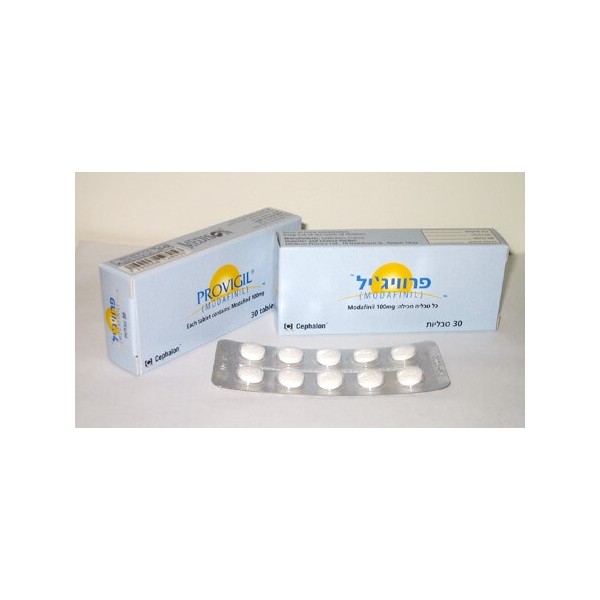
Provigil (Provigil, Modalert, Modvigil)
General Health Treatment
The definitive medical guide to Provigil (Modafinil): clinical applications for sleep disorders, off-label cognitive enhancement, side effect management, and safety protocols.
 Amazon Pharmacy
 PharmacyChecker
 GoodRx
 Costco Pharmacy
 Blink Health
Table of Contents
Provigil Product Information
What is Provigil (Modafinil)?
Provigil, known generically as modafinil, is a highly unique and potent prescription medication classified as a wakefulness-promoting agent (eugeroic). Originally developed in France in the late 1970s by neurophysiologist Michel Jouvet and Lafon Laboratories, it was approved by the U.S. Food and Drug Administration (FDA) in 1998. Unlike traditional central nervous system (CNS) stimulants such as amphetamines (Adderall) or methylphenidate (Ritalin), modafinil promotes profound alertness and wakefulness without the intense jitteriness, cardiovascular strain, or high potential for addiction and severe rebound crashes typically associated with classic stimulants.
The exact mechanism of action of modafinil remains somewhat elusive, despite decades of extensive research. It is widely considered an atypical stimulant. Current neurobiological consensus suggests that modafinil acts through a complex, multi-targeted approach within the brain. Its primary and most well-documented action is as a weak, atypical inhibitor of the dopamine transporter (DAT). By binding to DAT, modafinil prevents the reuptake of dopamine, leading to an increase in extracellular dopamine concentrations in specific brain regions, particularly the striatum and the prefrontal cortex. This dopaminergic action is crucial for its wake-promoting and cognitive-enhancing effects.
However, modafinil's effects extend far beyond dopamine. It is known to significantly elevate hypothalamic histamine levels, which plays a key role in the sleep-wake cycle. Furthermore, it activates the orexin (hypocretin) system—a network of neuropeptides in the hypothalamus that is fundamentally responsible for maintaining wakefulness and regulating appetite. Interestingly, modafinil also appears to reduce the release of gamma-aminobutyric acid (GABA), the brain's primary inhibitory neurotransmitter, while simultaneously increasing the release of glutamate, the primary excitatory neurotransmitter. This symphony of neurochemical alterations results in a state of sustained, clear-headed wakefulness.
Because of its unique pharmacological profile, modafinil is classified as a Schedule IV controlled substance in the United States. This designation indicates that while it has a recognized medical use, it carries a low potential for abuse and dependence relative to Schedule II stimulants like amphetamines. It has become a cornerstone therapy in sleep medicine and a subject of intense interest in the fields of cognitive neurology and occupational health.
FDA-Approved Uses and Clinical Indications
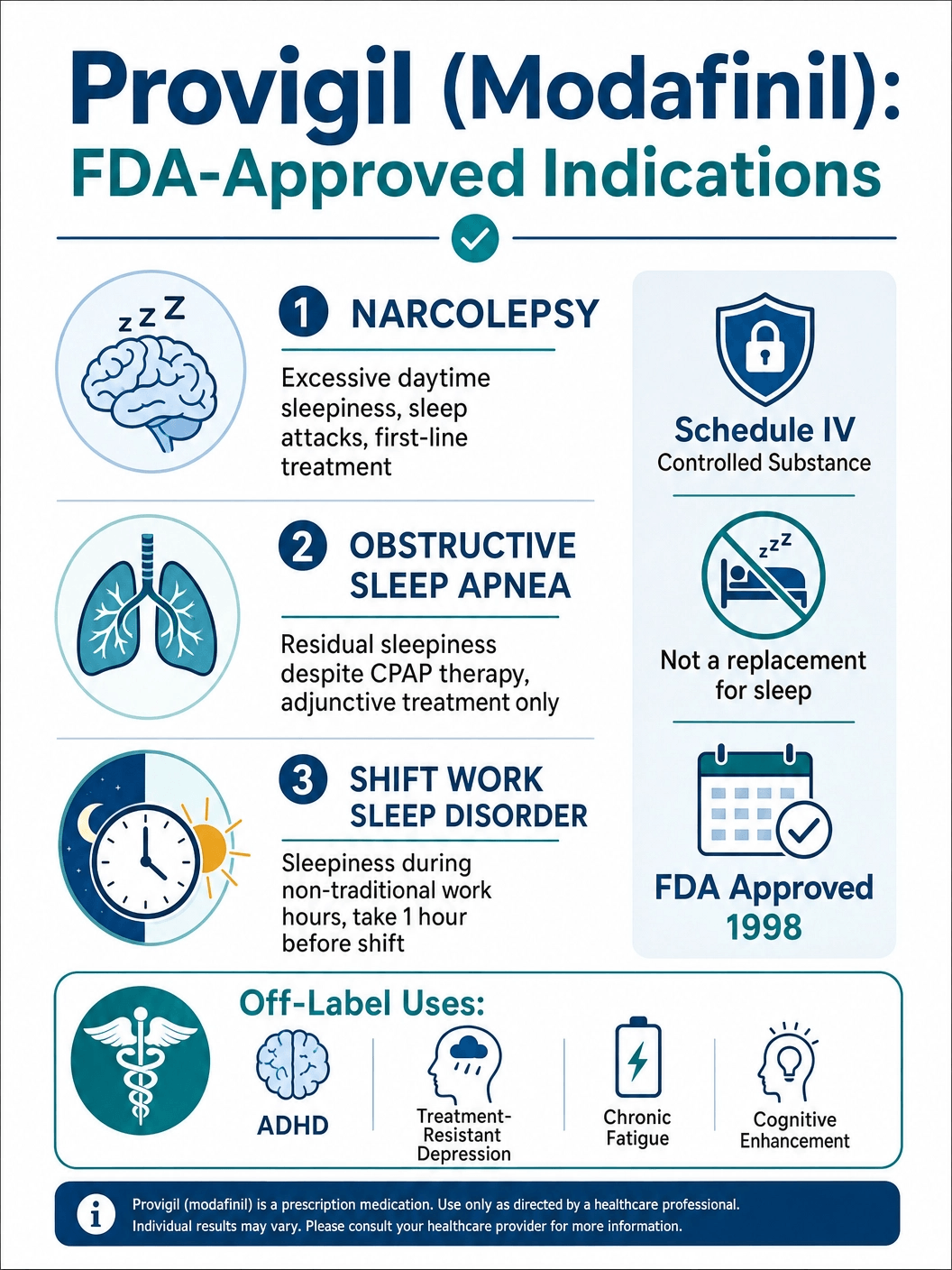
The FDA has strictly approved Provigil (modafinil) for the treatment of excessive daytime sleepiness (EDS) associated with three specific, clinically diagnosed sleep disorders. It is not approved as a general fatigue remedy or a replacement for adequate sleep.
Narcolepsy: Narcolepsy is a chronic, debilitating neurological disorder characterized by the brain's inability to regulate sleep-wake cycles normally. Patients with narcolepsy experience overwhelming, irresistible bouts of severe daytime sleepiness, often falling asleep suddenly and inappropriately during the day (sleep attacks). Many patients also suffer from cataplexy (sudden loss of muscle tone triggered by strong emotions), sleep paralysis, and hypnagogic hallucinations. Modafinil is considered a first-line pharmacological treatment for the excessive daytime sleepiness component of narcolepsy. By stimulating the orexin and dopamine systems, it helps patients maintain sustained wakefulness throughout the day, drastically improving their quality of life, occupational functioning, and safety.
Obstructive Sleep Apnea (OSA): OSA is a highly common sleep-related breathing disorder where the airway repeatedly collapses or becomes blocked during sleep, causing breathing to pause momentarily. These pauses lead to micro-arousals—brief awakenings that the patient usually doesn't remember—which severely fragment sleep architecture and prevent deep, restorative sleep. The primary treatment for OSA is Continuous Positive Airway Pressure (CPAP) therapy, which keeps the airway open. However, a significant subset of patients continues to experience residual excessive daytime sleepiness even with compliant and effective CPAP use. For these patients, modafinil is prescribed as an adjunctive (add-on) therapy to alleviate the lingering fatigue and improve daytime alertness. It is crucial to note that modafinil does not treat the underlying airway obstruction and must never be used as a substitute for CPAP.
Shift Work Sleep Disorder (SWSD): The human body is governed by a circadian rhythm, an internal biological clock synchronized with the natural cycle of daylight and darkness. SWSD occurs in individuals who work non-traditional hours—such as night shifts, rotating shifts, or early morning shifts—that force them to be awake when their circadian rhythm is signaling sleep, and to sleep when their body is signaling wakefulness. This misalignment results in severe sleepiness during the work shift (impairing performance and increasing the risk of accidents) and insomnia during scheduled sleep periods. Modafinil is approved to improve wakefulness in patients with SWSD. It is typically taken one hour before the start of the shift to promote alertness during working hours.
Off-Label Uses: Cognitive Enhancement and ADHD
While FDA approval is limited to three specific sleep disorders, modafinil is widely prescribed 'off-label' by physicians for a variety of other conditions. Off-label prescribing is legal and common when a doctor determines that a drug's pharmacological properties may benefit a patient's specific condition, even if the FDA hasn't explicitly evaluated it for that use.
Attention-Deficit/Hyperactivity Disorder (ADHD): Modafinil is frequently used as an alternative treatment for ADHD in both adults and children, particularly when traditional stimulants (like Adderall or Ritalin) are ineffective, poorly tolerated due to side effects (such as severe anxiety, appetite suppression, or cardiovascular issues), or when there is a concern about substance abuse. Because modafinil increases dopamine in the prefrontal cortex—the brain region responsible for executive function, focus, and impulse control—it can significantly improve attention span and reduce distractibility in ADHD patients. While it was evaluated by the FDA for pediatric ADHD, it was not approved due to a rare risk of severe skin reactions (Stevens-Johnson Syndrome) observed in clinical trials, though it remains a viable off-label option for adults.
Treatment-Resistant Depression and Fatigue: Major depressive disorder is frequently accompanied by profound lethargy, hypersomnia (oversleeping), and psychomotor retardation. In cases where standard antidepressants (SSRIs, SNRIs) fail to alleviate these specific symptoms, psychiatrists may prescribe modafinil as an augmenting agent. It acts rapidly to boost energy levels, improve motivation, and enhance concentration, helping to lift the 'fog' of depression. Similarly, it is used off-label to combat the severe, debilitating fatigue associated with chronic medical conditions such as Multiple Sclerosis (MS), Parkinson's disease, Chronic Fatigue Syndrome (CFS), and cancer-related fatigue.
Cognitive Enhancement (The 'Smart Drug' Phenomenon): Perhaps the most controversial and widely discussed off-label use of modafinil is as a nootropic, or 'smart drug,' by healthy individuals seeking to enhance cognitive performance. It is popular among students, academics, military personnel, and high-stress professionals (like surgeons and pilots). Studies have shown that in healthy, non-sleep-deprived individuals, modafinil can enhance executive function, improve working memory, increase fluid intelligence, and sustain attention during prolonged, demanding tasks. Unlike amphetamines, which can cause over-stimulation and erratic behavior, modafinil tends to produce a calm, focused, and sustained 'flow state.' However, the long-term neurological effects of using wakefulness-promoting agents in healthy brains remain unknown, and medical professionals strongly caution against unprescribed use.
Understanding Side Effects and Serious Risks
Modafinil is generally well-tolerated by most patients, especially when compared to traditional amphetamine-based stimulants. However, like all medications that alter brain chemistry, it carries a profile of potential side effects ranging from mild nuisances to rare, life-threatening emergencies.
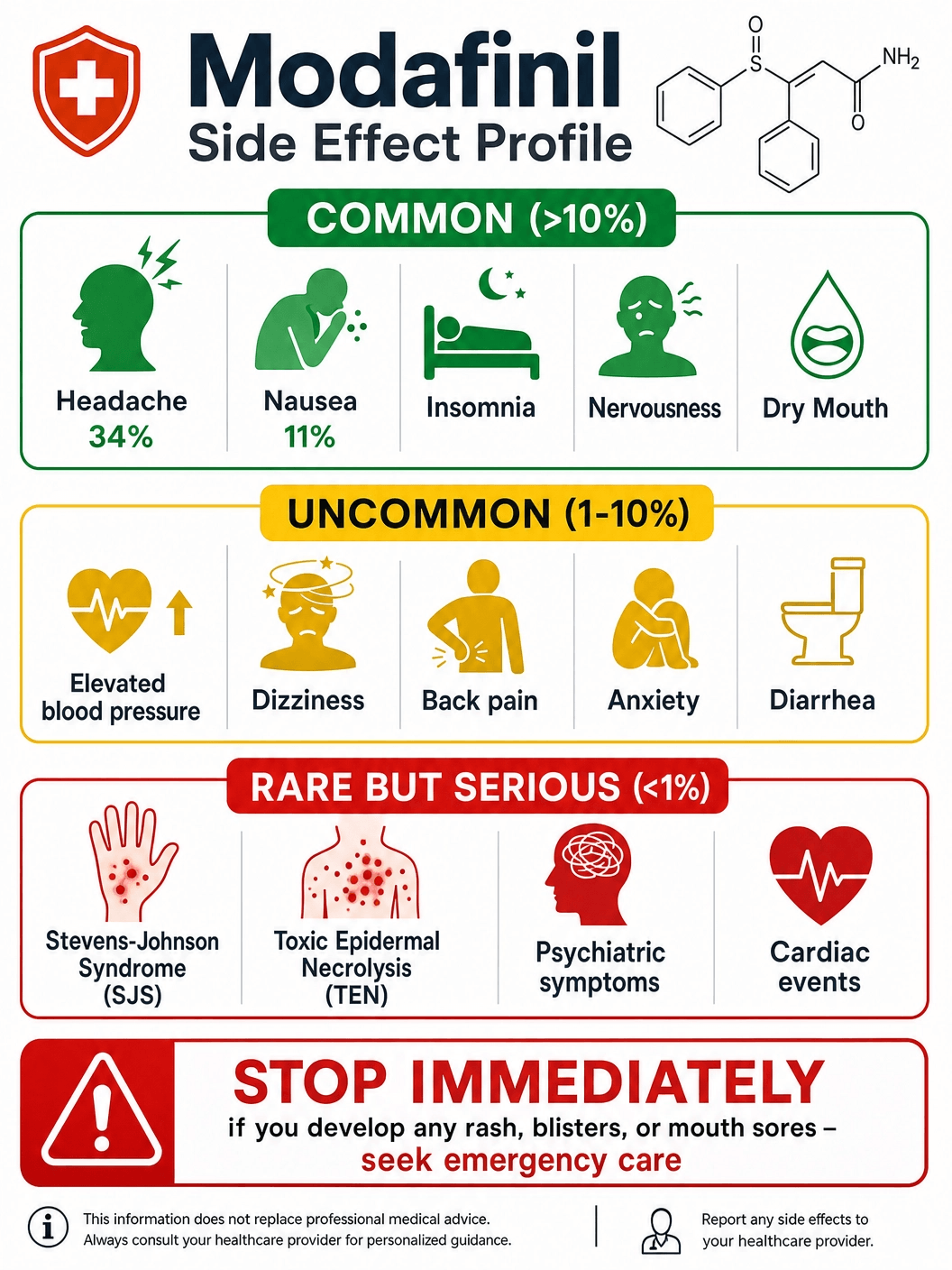
Common Side Effects: The most frequently reported adverse effect of modafinil is a headache, occurring in up to 34% of patients in clinical trials. This is often dose-dependent and may subside as the body adjusts to the medication. Nausea and gastrointestinal distress (diarrhea, upset stomach) are also common. Because it is a wakefulness-promoting agent, insomnia is a predictable side effect, particularly if the medication is taken too late in the day or at too high a dose. Other common, mild side effects include nervousness, anxiety, dizziness, dry mouth, and a mild increase in heart rate or blood pressure.
Psychiatric Adverse Reactions: While modafinil is used to treat depression, it can paradoxically induce or exacerbate psychiatric symptoms in some individuals. Patients with a history of psychosis, mania, or severe anxiety disorders must be monitored closely. Modafinil has been known to trigger episodes of severe anxiety, agitation, irritability, hallucinations, and, in rare cases, suicidal ideation. If a patient experiences significant mood or behavioral changes, the medication should be discontinued immediately and a physician consulted.
Cardiovascular Risks: Although modafinil places less strain on the heart than amphetamines, it is still a mild sympathomimetic. It can cause modest increases in heart rate and blood pressure. Therefore, it should be used with caution in patients with a history of cardiovascular disease, including left ventricular hypertrophy, ischemic ECG changes, chest pain, arrhythmias, or recent myocardial infarction. Regular monitoring of blood pressure is recommended for all patients on modafinil.
Severe Dermatological Reactions (SJS/TEN): The most serious, albeit rare, risk associated with modafinil is the development of severe, life-threatening skin and hypersensitivity reactions. These include Stevens-Johnson Syndrome (SJS), Toxic Epidermal Necrolysis (TEN), and Drug Rash with Eosinophilia and Systemic Symptoms (DRESS). These conditions typically begin with flu-like symptoms (fever, sore throat, fatigue) followed by a painful red or purplish rash that spreads and blisters, eventually causing the top layer of skin to die and shed. This is a medical emergency requiring immediate hospitalization. The risk appears to be higher in pediatric patients, which is why modafinil is not FDA-approved for children. Any patient who develops a rash, hives, or mouth sores while taking modafinil must stop the medication immediately and seek emergency medical care.
Contraindications and Drug Interactions
Modafinil is strictly contraindicated in patients with a known hypersensitivity or allergy to modafinil, armodafinil (Nuvigil), or any of the inactive ingredients in the tablet formulation. Due to the risk of severe cardiovascular events, it is generally contraindicated in patients with a history of mitral valve prolapse who have experienced mitral valve prolapse syndrome (characterized by ischemic ECG changes, chest pain, or arrhythmias) when previously taking CNS stimulants.
Crucial Drug Interactions: Modafinil is metabolized in the liver and significantly affects the cytochrome P450 (CYP) enzyme system, which is responsible for breaking down many other medications. This leads to several critical drug interactions:
- Hormonal Contraceptives: Modafinil is a strong inducer of the CYP3A4/5 enzyme. This means it accelerates the breakdown of estrogen and progestin, the active hormones in birth control pills, patches, rings, and implants. Taking modafinil can render hormonal birth control ineffective, leading to unintended pregnancy. Women of childbearing potential must use an alternative, non-hormonal method of contraception (such as condoms or a copper IUD) while taking modafinil and for at least one month after discontinuing the medication.
- Cyclosporine: Modafinil decreases the blood levels of cyclosporine, a critical immunosuppressant used to prevent organ rejection in transplant patients. Concurrent use requires careful monitoring of cyclosporine levels and likely a dosage increase.
- CYP2C19 Substrates: Modafinil inhibits the CYP2C19 enzyme. This can increase the blood levels and potential toxicity of drugs metabolized by this pathway, including diazepam (Valium), phenytoin (Dilantin), propranolol, and certain antidepressants (like clomipramine or omeprazole). Dosages of these medications may need to be reduced.
- Monoamine Oxidase Inhibitors (MAOIs): While not explicitly contraindicated, extreme caution is advised if modafinil is used concurrently with MAOIs (such as selegiline or phenelzine) due to the theoretical risk of a hypertensive crisis or serotonin syndrome.
Available Dosages and Administration Guidelines
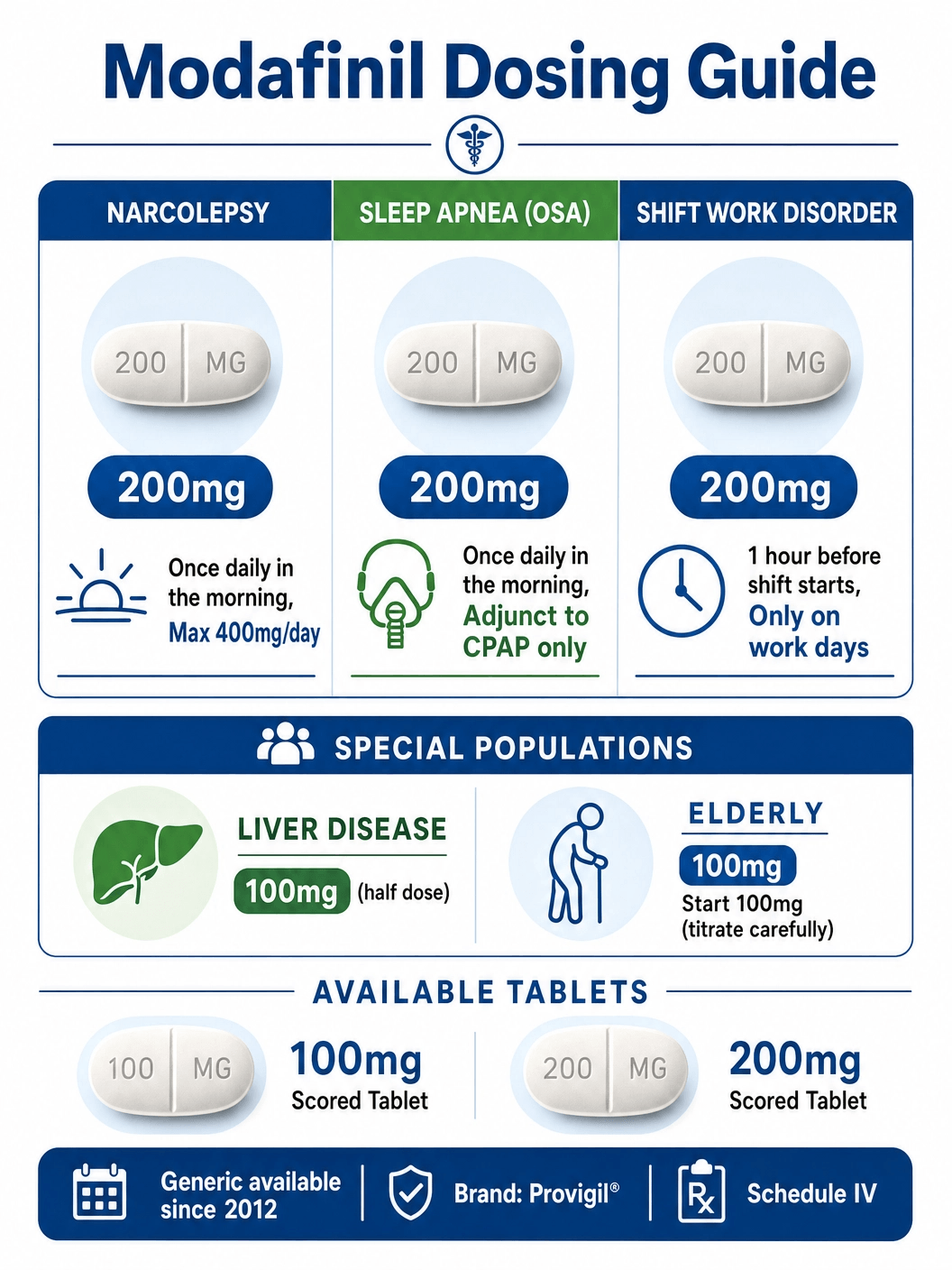
Provigil (modafinil) is available as an oral tablet in two standard strengths: 100 mg and 200 mg. The tablets are typically capsule-shaped and scored, allowing them to be easily halved if a 50 mg dose is required. The dosage and timing of administration depend entirely on the specific sleep disorder being treated.
Narcolepsy and Obstructive Sleep Apnea (OSA)
For patients suffering from narcolepsy or residual daytime sleepiness associated with OSA, the standard recommended dose is 200 mg taken once daily in the morning. Taking the medication early in the day is crucial to ensure that the wake-promoting effects wear off by bedtime, allowing for normal nocturnal sleep. While some physicians may prescribe doses up to 400 mg per day (either as a single morning dose or split into a morning and midday dose), clinical trials have generally not shown consistent evidence that 400 mg provides significantly greater efficacy than 200 mg, though it does increase the risk of side effects like headache and anxiety.
Shift Work Sleep Disorder (SWSD)
For patients with SWSD, the goal is to promote wakefulness during the non-traditional work hours. The recommended dose is 200 mg taken approximately one hour prior to the start of the work shift. If a patient works a night shift from 11:00 PM to 7:00 AM, they would take the medication around 10:00 PM. It is vital that patients with SWSD do not take modafinil on their days off, allowing their body to attempt to normalize its sleep architecture when not constrained by the work schedule.
Special Populations and Adjustments
Severe Hepatic Impairment: Because modafinil is extensively metabolized by the liver, patients with severe liver disease (hepatic impairment) clear the drug from their system much more slowly. For these patients, the dosage should be reduced by half (e.g., 100 mg instead of 200 mg) to prevent toxic accumulation of the drug in the bloodstream.
Geriatric Patients: Elderly patients often have reduced renal and hepatic function, and may be more sensitive to the cardiovascular and central nervous system effects of stimulants. While the standard dose is often used, physicians may choose to start elderly patients on a lower dose (e.g., 100 mg) and titrate upward cautiously, monitoring closely for adverse effects.
Generic vs. Brand Name Provigil (Modafinil)
Provigil is the original brand-name formulation of modafinil, manufactured and marketed by Cephalon (now part of Teva Pharmaceuticals). For many years, it was the only option available, and its high cost was a significant barrier for many patients. However, the patent for Provigil expired in 2012, opening the door for generic manufacturers.
Generic Modafinil: Today, generic modafinil is widely available and is manufactured by numerous pharmaceutical companies (such as Sun Pharma, HAB Pharma, and Apotex). By law, generic medications approved by the FDA must be bioequivalent to the brand-name drug. This means they must contain the exact same active ingredient (modafinil), in the same dosage strength, and must be absorbed into the bloodstream at the same rate and extent as Provigil. Clinically, generic modafinil is identical to Provigil in its efficacy, safety profile, and mechanism of action.
Cost Comparison: The primary difference between Provigil and generic modafinil is the price. Brand-name Provigil remains extraordinarily expensive; without insurance, a 30-day supply of 200 mg tablets can cost upwards of $1,500 to $2,000. In stark contrast, generic modafinil is highly affordable. Using pharmacy discount cards or purchasing through online pharmacies, a 30-day supply of generic modafinil can often be obtained for $20 to $50. Because of this massive price disparity, almost all insurance companies and Medicare Part D plans require the dispensing of generic modafinil unless there is a documented, medically necessary reason to use the brand name.
Armodafinil (Nuvigil): It is also worth noting the existence of armodafinil, sold under the brand name Nuvigil. Modafinil is a racemic mixture, meaning it contains two mirror-image molecules (enantiomers): R-modafinil and S-modafinil. Armodafinil consists solely of the longer-acting R-enantiomer. While they treat the same conditions, armodafinil has a slightly longer half-life, meaning its wake-promoting effects may last longer into the day. Armodafinil is also available as a generic.
Purchasing Provigil: Cost, Insurance, and Legal Acquisition
Acquiring modafinil requires navigating the healthcare system, as it is a strictly regulated medication.
Prescription Requirement and Schedule IV Status: In the United States, the UK, Canada, Australia, and most of Europe, modafinil is a prescription-only medication. In the US, it is classified by the DEA as a Schedule IV controlled substance. This means that while it has a lower potential for abuse than Schedule II drugs (like Adderall), it is still monitored. Prescriptions may have limitations on refills (typically a maximum of 5 refills within 6 months), and transferring prescriptions between pharmacies can be restricted. You cannot legally purchase modafinil over the counter or without a valid prescription from a licensed healthcare provider.
Insurance Coverage and Prior Authorization: Because of its high cost (especially the brand name) and its popularity for off-label 'lifestyle' use, insurance companies heavily scrutinize modafinil prescriptions. Most insurers will only cover modafinil if it is prescribed for one of the three FDA-approved indications: Narcolepsy, OSA, or SWSD. Furthermore, they almost universally require a 'Prior Authorization' (PA). This means your doctor must submit clinical documentation—such as the results of a sleep study (polysomnography) or a Multiple Sleep Latency Test (MSLT)—proving that you have a definitive diagnosis of one of these specific sleep disorders before the insurance will agree to pay for the medication. If prescribed off-label (e.g., for ADHD or depression fatigue), insurance will likely deny coverage, leaving the patient to pay out of pocket.
The Risk of Unregulated Online Pharmacies: The high cost and strict prescription requirements have fueled a massive black market for modafinil online. Numerous unregulated, overseas 'pharmacies' sell modafinil (often under brand names like Modalert or Modvigil) without requiring a prescription. Purchasing from these sources is highly discouraged and potentially dangerous. These products are not subject to FDA quality control; they may be counterfeit, contaminated, contain incorrect dosages, or contain entirely different, harmful substances. Furthermore, importing a Schedule IV controlled substance without a prescription is illegal and can result in the seizure of the package by Customs and Border Protection, or potential legal consequences.
Lifestyle Modifications and Sleep Hygiene
While modafinil is a powerful tool for managing excessive sleepiness, it is not a cure for sleep disorders, nor is it a substitute for actual sleep. To achieve the best clinical outcomes and maintain long-term health, patients taking modafinil must implement rigorous sleep hygiene practices and lifestyle modifications.
Prioritize Nocturnal Sleep: Modafinil masks the sensation of fatigue, but it does not replace the physiological and neurological restoration that occurs during deep sleep. Patients must still prioritize getting 7 to 9 hours of sleep per night (or during their designated sleep period for shift workers). Chronic sleep deprivation, even if masked by modafinil, leads to cumulative cognitive deficits, immune suppression, and cardiovascular strain.
Strict Sleep Schedules: Maintaining a consistent sleep-wake schedule is paramount, especially for patients with narcolepsy. Going to bed and waking up at the exact same time every day—including weekends—helps stabilize the body's circadian rhythm. For shift workers, creating a dark, quiet, and cool sleep environment during the day is essential. Using blackout curtains, white noise machines, and eye masks can help simulate nighttime conditions.
Strategic Napping: For patients with narcolepsy, scheduled, short daytime naps (15 to 20 minutes) can be highly restorative and reduce the total daily requirement for modafinil. These naps should be timed strategically during periods of peak sleepiness.
Diet and Exercise: A healthy diet and regular exercise can naturally improve energy levels and sleep quality. However, vigorous exercise should be avoided close to bedtime, as it can be stimulating. Patients should also be mindful of their caffeine intake. While a morning cup of coffee is generally fine, excessive caffeine combined with modafinil can lead to severe jitteriness, anxiety, palpitations, and worsened insomnia.
Managing OSA: For patients taking modafinil for residual sleepiness associated with Obstructive Sleep Apnea, it is absolutely critical that they continue to use their CPAP machine (or other prescribed airway device) every time they sleep. Modafinil only treats the symptom (sleepiness); the CPAP treats the underlying disease (airway collapse and oxygen deprivation). Failing to use the CPAP while taking modafinil puts the patient at severe risk for cardiovascular complications, including hypertension, stroke, and heart attack.
Government and Regulatory Resources
For authoritative, up-to-date information regarding Provigil (modafinil), its approved uses, safety warnings, and clinical guidelines, please consult the following official resources:
- FDA Prescribing Information for Provigil - The official, comprehensive label detailing indications, warnings, and clinical pharmacology.
- MedlinePlus: Modafinil - Patient-friendly drug information provided by the National Library of Medicine.
- NCBI StatPearls: Modafinil Overview - A detailed clinical and pharmacological overview for healthcare professionals.
- Cleveland Clinic: Modafinil Tablets - Comprehensive patient education on uses, side effects, and precautions.
Editorial Review & Medical Sources
This guide is for informational purposes and does not constitute medical advice. Content is based on clinical data from the FDA, the National Institutes of Health (NIH), and the Cleveland Clinic. Medical Reviewer: Dr. Sanjai Sinha, MD. Primary Sources: FDA Prescribing Information, StatPearls Clinical Database (NCBI).
Modafinil in the Military and Aerospace Sectors
The unique pharmacological profile of modafinil—specifically its ability to sustain wakefulness and cognitive function during prolonged periods of sleep deprivation without the severe jitteriness or subsequent 'crash' of amphetamines—has made it a subject of intense interest and application within military and aerospace organizations worldwide. In environments where split-second decision-making and sustained vigilance are matters of life and death, fatigue is a critical operational hazard.
Military Aviation: The United States Air Force, along with several allied air forces, has extensively evaluated and utilized modafinil (often referred to as a 'go pill') for pilots undertaking long-duration combat sorties or extended transport missions. Historically, dextroamphetamine (Dexedrine) was the standard fatigue-management medication for pilots. However, modafinil has largely superseded it in many operational contexts. Studies conducted by military researchers have demonstrated that modafinil can maintain pilot performance—including flight control, situational awareness, and complex problem-solving—at near-baseline levels for up to 40 hours of continuous wakefulness. Crucially, unlike amphetamines, modafinil does not significantly impair the pilot's ability to initiate recovery sleep once the mission is complete, allowing for faster operational turnaround.
Space Exploration: The aerospace sector has also explored the utility of modafinil. Astronauts aboard the International Space Station (ISS) frequently experience circadian rhythm disruptions and sleep deprivation due to the artificial lighting environment (experiencing a sunrise every 90 minutes), high-stress workloads, and the physical discomforts of microgravity. The European Space Agency (ESA) and NASA have investigated modafinil as a countermeasure to ensure astronauts remain alert and capable of executing complex, high-stakes procedures (such as docking maneuvers or spacewalks) even when fatigued. It is considered a safer alternative to traditional stimulants in the isolated and medically constrained environment of space.
Ground Forces and Special Operations: Beyond aviation, modafinil has been evaluated for use by ground forces, particularly special operations units, who may be required to conduct sustained, multi-day missions without the opportunity for sleep. The ability to maintain tactical awareness, marksmanship, and communication skills under extreme fatigue is a significant tactical advantage. However, military medical protocols strictly govern its use, emphasizing that it is an operational tool for specific, high-risk scenarios, not a substitute for adequate rest and recovery between deployments.
The Pharmacokinetics of Modafinil: How the Body Processes the Drug
Understanding the pharmacokinetics of modafinil—how it is absorbed, distributed, metabolized, and excreted by the body—is essential for optimizing its clinical use and minimizing adverse effects. Modafinil exhibits a predictable and relatively straightforward pharmacokinetic profile in healthy adults.
Absorption and Distribution: When taken orally, modafinil is rapidly and almost completely absorbed from the gastrointestinal tract. Peak plasma concentrations (the highest level of the drug in the bloodstream) are typically reached within 2 to 4 hours after ingestion. While taking modafinil with food does not significantly affect the total amount of drug absorbed, it can delay the time it takes to reach peak concentration by approximately one hour. Once in the bloodstream, modafinil is moderately bound to plasma proteins (about 60%, primarily to albumin), which means it is widely distributed throughout the body's tissues, including crossing the blood-brain barrier to exert its central nervous system effects.
Metabolism in the Liver: Modafinil is extensively metabolized by the liver. The primary pathway involves the enzyme CYP3A4, but it also undergoes amide hydrolysis and other metabolic processes. The liver converts the active modafinil molecule into two major, inactive metabolites: modafinil acid and modafinil sulfone. Because the liver is the primary site of clearance, patients with severe hepatic impairment (liver disease) process the drug much more slowly, leading to higher blood levels and an increased risk of toxicity. As noted previously, the dosage must be reduced by half in these patients.
Excretion and Half-Life: The inactive metabolites, along with a very small amount of unchanged modafinil (less than 10%), are excreted primarily by the kidneys in the urine. The elimination half-life of modafinil—the time it takes for the concentration of the drug in the blood to be reduced by half—is approximately 12 to 15 hours in healthy adults. This relatively long half-life is why a single morning dose is usually sufficient to maintain wakefulness throughout the day, but it also explains why taking the medication too late in the afternoon can easily cause insomnia that night.
Enzyme Induction and Auto-Induction: A unique pharmacokinetic property of modafinil is its ability to induce (stimulate the production of) certain liver enzymes, particularly CYP3A4. This is the mechanism behind its interaction with hormonal contraceptives. Furthermore, with chronic, daily administration, modafinil can induce its own metabolism (auto-induction). This means that over time, the liver becomes slightly more efficient at breaking down the drug, which can lead to a modest decrease in blood levels after several weeks of continuous therapy. However, this auto-induction is usually mild and rarely requires a dosage adjustment in clinical practice.
Modafinil and the Potential for Tolerance and Dependence
One of the most significant advantages of modafinil over traditional amphetamine-based stimulants is its markedly lower potential for tolerance, dependence, and abuse. However, 'lower potential' does not mean 'zero potential,' and these factors must be carefully considered, especially given the drug's widespread off-label use.
Tolerance: Tolerance occurs when the body adapts to a medication, requiring increasingly larger doses to achieve the same therapeutic effect. With classic stimulants like Adderall, tolerance to the wake-promoting and euphoric effects develops rapidly, often leading to a dangerous cycle of dose escalation. In contrast, clinical studies and long-term observational data suggest that tolerance to the wakefulness-promoting effects of modafinil is rare. Patients with narcolepsy often maintain the same 200 mg daily dose for years without experiencing a significant loss of efficacy. However, some individuals using modafinil off-label for cognitive enhancement report a subjective 'fading' of the drug's effects over time, though this may be related to chronic sleep deprivation rather than true pharmacological tolerance.
Physical Dependence and Withdrawal: Physical dependence develops when the body relies on the presence of a drug to function normally, leading to withdrawal symptoms if the drug is abruptly stopped. Abrupt cessation of high-dose amphetamines causes a severe 'crash' characterized by profound exhaustion, severe depression, increased appetite, and intense drug cravings. Modafinil, conversely, does not typically produce a severe physical withdrawal syndrome. When patients stop taking modafinil, the primary symptom is simply a return of their underlying baseline sleepiness or fatigue. There is no evidence of the severe physiological rebound or depressive crash associated with classic stimulants.
Psychological Dependence and Abuse Potential: Psychological dependence involves a compulsive desire to use a drug for its rewarding or mood-altering effects. Because modafinil is a weak dopamine reuptake inhibitor, it does increase dopamine in the brain's reward centers, which theoretically confers some abuse potential. This is why it is classified as a Schedule IV controlled substance. However, the dopamine increase is slow and modest compared to the rapid, massive dopamine spike caused by cocaine or amphetamines, which is what drives intense euphoria and addiction. In clinical practice, modafinil abuse is exceedingly rare among patients prescribed the drug for legitimate sleep disorders. The primary concern regarding abuse lies within the healthy population using it off-label as a 'smart drug,' where psychological reliance on the drug to perform academically or professionally can develop.
Provigil Quick View
| Active Ingredient | Modafinil |
|---|---|
| Manufacturer | Various Generics (Sun Pharma, HAB Pharma) |
| Type | Eugeroic / Wakefulness-Promoting Agent |
| Onset | Peak plasma concentration in 2-4 hours |
| Duration | Biological half-life 12-15 hours |
| Food Interaction | Can be taken with or without food; food may delay onset by 1 hour |
| Alcohol | Avoid; can increase risk of dizziness and impair judgment |
| Prescription | Required (Schedule IV Controlled Substance) |
Provigil Side Effects
Common Side Effects
- Headache (most common).
- Nausea or gastrointestinal distress.
- Insomnia (if taken too late in the day).
- Nervousness or anxiety.
- Dry mouth.
Uncommon Side Effects
- Increased heart rate or blood pressure.
- Dizziness or confusion.
- Back pain.
- Tremors or shaking.
Rare Side Effects
- Severe psychiatric symptoms (hallucinations, severe depression, suicidal ideation).
- Stevens-Johnson Syndrome (SJS) or Toxic Epidermal Necrolysis (TEN) - severe skin reactions.
- Chest pain or arrhythmias.
Important Warning: CRITICAL SAFETY WARNING: If you develop a skin rash, hives, or mouth sores while taking modafinil, stop the medication immediately and seek emergency medical care, as this could be a sign of a life-threatening allergic reaction.
More Information About Provigil
Storage
Store at room temperature between 20 and 25 degrees C (68 and 77 degrees F). Keep in a safe place to prevent theft or misuse.
Contraindications
Contraindicated in patients with known hypersensitivity to modafinil or armodafinil. Use with extreme caution in patients with a history of cardiovascular disease, severe liver impairment, or psychiatric disorders.
Drug Interactions
Crucial interaction with hormonal contraceptives (makes them less effective). Also interacts with cyclosporine, diazepam, phenytoin, and MAOIs.
Provigil FAQs
No. While both promote wakefulness, they belong to different drug classes. Adderall is an amphetamine (a classic stimulant) that causes a massive release of dopamine and norepinephrine, leading to intense stimulation and a high risk of addiction. Modafinil is a eugeroic that works through different, more subtle pathways, promoting alertness with less jitteriness and a much lower risk of abuse.
Modafinil is FDA-approved only for specific sleep disorders. While it is sometimes prescribed off-label for cognitive enhancement, using it without a prescription is illegal and potentially dangerous. It should not be used as a substitute for adequate sleep.
Yes. Modafinil induces liver enzymes that break down the hormones in birth control pills, patches, and implants, making them less effective. You must use a non-hormonal backup method (like condoms) while taking modafinil and for one month after stopping.
Modafinil has a half-life of about 12 to 15 hours. This means it takes that long for half the drug to be eliminated from your body. Its wake-promoting effects typically last for 10 to 12 hours, which is why it should be taken early in the day.
Modafinil is classified as a Schedule IV controlled substance, meaning it has a low potential for abuse and dependence compared to drugs like Adderall (Schedule II). While physical withdrawal is rare, psychological dependence can occur, especially with unprescribed use.
It is best to limit caffeine intake. Combining modafinil with large amounts of caffeine can significantly increase the risk of side effects like severe jitteriness, anxiety, rapid heartbeat, and insomnia.
Written and Reviewed by Our Qualified Team

Find out more about our medical content authors and how we ensure the accuracy of our content.
Content last updated: 21 May 2026
Provigil Reviews
Based on 112 reviews
Provigil helps me stay on top of my tasks and deadlines. It's an essential part of my routine.
Provigil is a fantastic medication for improving wakefulness. I feel more engaged in everything.
I noticed a significant boost in my productivity since starting Provigil. No more afternoon slumps.
The clarity of thought I get from Provigil is remarkable. It's like a fog has lifted.
Provigil helps me stay on top of my tasks and deadlines. It's an essential part of my routine. (Review ID: 3618)
Provigil has been a game-changer for my work. I can tackle complex tasks with ease now.
Provigil really helps with my concentration. I feel more alert and productive throughout the day.
Taking Provigil has helped me manage my daytime sleepiness effectively. I feel more energized.
Provigil helps me stay on top of my tasks and deadlines. It's an essential part of my routine. (Review ID: 6005)
The effects of Provigil are subtle but profound. I can maintain my attention for much longer periods.
I experienced some mild side effects with Provigil at first, but they subsided quickly. The benefits outweigh them.
I'm impressed with how well Provigil works. It's consistent and reliable.
I appreciate how Provigil helps me stay awake and focused without feeling jittery.
Provigil really helps with my concentration. I feel more alert and productive throughout the day. (Review ID: 1501)
Provigil helps me stay on top of my tasks and deadlines. It's an essential part of my routine. (Review ID: 3516)
The best part about Provigil is the sustained energy it provides without any crash.
I experienced some mild side effects with Provigil at first, but they subsided quickly. The benefits outweigh them. (Review ID: 6839)
I'm impressed with how well Provigil works. It's consistent and reliable. (Review ID: 8521)
Provigil helps me stay on top of my tasks and deadlines. It's an essential part of my routine. (Review ID: 6742)
Provigil is a fantastic medication for improving wakefulness. I feel more engaged in everything. (Review ID: 6179)
Provigil has been a game-changer for my work. I can tackle complex tasks with ease now. (Review ID: 1136)
The clarity of thought I get from Provigil is remarkable. It's like a fog has lifted. (Review ID: 6693)
Initially, I was skeptical about Provigil, but it has truly made a difference in my daily routine. Highly recommend.
I experienced some mild side effects with Provigil at first, but they subsided quickly. The benefits outweigh them. (Review ID: 5611)
The clarity of thought I get from Provigil is remarkable. It's like a fog has lifted. (Review ID: 3848)
Provigil is a fantastic medication for improving wakefulness. I feel more engaged in everything. (Review ID: 4404)
I'm impressed with how well Provigil works. It's consistent and reliable. (Review ID: 6641)
The clarity of thought I get from Provigil is remarkable. It's like a fog has lifted. (Review ID: 2716)
Initially, I was skeptical about Provigil, but it has truly made a difference in my daily routine. Highly recommend. (Review ID: 6631)
I've been taking Provigil for a while now, and it's been incredibly effective. My focus has improved significantly.
Provigil has improved my cognitive function, and I feel sharper than ever.
Provigil really helps with my concentration. I feel more alert and productive throughout the day. (Review ID: 7652)
I was struggling with fatigue, and Provigil has given me my life back. Thank you!
Provigil helps me stay on top of my tasks and deadlines. It's an essential part of my routine. (Review ID: 5758)
I've been taking Provigil for a while now, and it's been incredibly effective. My focus has improved significantly. (Review ID: 6692)
I feel more motivated and less prone to procrastination thanks to Provigil.
The clarity of thought I get from Provigil is remarkable. It's like a fog has lifted. (Review ID: 5303)
I've tried other medications, but Provigil is by far the most effective for my needs.
Taking Provigil has helped me manage my daytime sleepiness effectively. I feel more energized. (Review ID: 6368)
I haven't experienced any major side effects with Provigil, and it works wonderfully.
Provigil helps me stay on top of my tasks and deadlines. It's an essential part of my routine. (Review ID: 7357)
I've been taking Provigil for a while now, and it's been incredibly effective. My focus has improved significantly. (Review ID: 3572)
Taking Provigil has helped me manage my daytime sleepiness effectively. I feel more energized. (Review ID: 2604)
I appreciate how Provigil helps me stay awake and focused without feeling jittery. (Review ID: 2710)
I haven't experienced any major side effects with Provigil, and it works wonderfully. (Review ID: 9946)
Provigil is a fantastic medication for improving wakefulness. I feel more engaged in everything. (Review ID: 8885)
I appreciate how Provigil helps me stay awake and focused without feeling jittery. (Review ID: 9032)
My experience with Provigil has been overwhelmingly positive. It's exactly what I needed.
The clarity of thought I get from Provigil is remarkable. It's like a fog has lifted. (Review ID: 2193)
Provigil is a fantastic medication for improving wakefulness. I feel more engaged in everything. (Review ID: 9726)
Taking Provigil has helped me manage my daytime sleepiness effectively. I feel more energized. (Review ID: 5832)
Taking Provigil has helped me manage my daytime sleepiness effectively. I feel more energized. (Review ID: 5333)
I've been taking Provigil for a while now, and it's been incredibly effective. My focus has improved significantly. (Review ID: 4920)
I haven't experienced any major side effects with Provigil, and it works wonderfully. (Review ID: 8096)
Taking Provigil has helped me manage my daytime sleepiness effectively. I feel more energized. (Review ID: 3270)
The best part about Provigil is the sustained energy it provides without any crash. (Review ID: 4131)
I noticed a significant boost in my productivity since starting Provigil. No more afternoon slumps. (Review ID: 4189)
Initially, I was skeptical about Provigil, but it has truly made a difference in my daily routine. Highly recommend. (Review ID: 2463)
I've tried other medications, but Provigil is by far the most effective for my needs. (Review ID: 2170)
I've been taking Provigil for a while now, and it's been incredibly effective. My focus has improved significantly. (Review ID: 4377)
Taking Provigil has helped me manage my daytime sleepiness effectively. I feel more energized. (Review ID: 5737)
Provigil is a fantastic medication for improving wakefulness. I feel more engaged in everything. (Review ID: 6598)
Provigil helps me stay on top of my tasks and deadlines. It's an essential part of my routine. (Review ID: 4114)
The best part about Provigil is the sustained energy it provides without any crash. (Review ID: 6368)
I haven't experienced any major side effects with Provigil, and it works wonderfully. (Review ID: 8828)
I feel more motivated and less prone to procrastination thanks to Provigil. (Review ID: 1390)
I appreciate how Provigil helps me stay awake and focused without feeling jittery. (Review ID: 1032)
The best part about Provigil is the sustained energy it provides without any crash. (Review ID: 3528)
I experienced some mild side effects with Provigil at first, but they subsided quickly. The benefits outweigh them. (Review ID: 9811)
I noticed a significant boost in my productivity since starting Provigil. No more afternoon slumps. (Review ID: 9794)
Provigil helps me stay on top of my tasks and deadlines. It's an essential part of my routine. (Review ID: 5427)
I haven't experienced any major side effects with Provigil, and it works wonderfully. (Review ID: 9226)
The clarity of thought I get from Provigil is remarkable. It's like a fog has lifted. (Review ID: 9200)
I noticed a significant boost in my productivity since starting Provigil. No more afternoon slumps. (Review ID: 2889)
Provigil is a fantastic medication for improving wakefulness. I feel more engaged in everything. (Review ID: 1241)
Provigil has been a game-changer for my work. I can tackle complex tasks with ease now. (Review ID: 8618)
I appreciate how Provigil helps me stay awake and focused without feeling jittery. (Review ID: 7828)
Provigil really helps with my concentration. I feel more alert and productive throughout the day. (Review ID: 5142)
Provigil has improved my cognitive function, and I feel sharper than ever. (Review ID: 2287)
Provigil has improved my cognitive function, and I feel sharper than ever. (Review ID: 6608)
Provigil helps me stay on top of my tasks and deadlines. It's an essential part of my routine. (Review ID: 2317)
I experienced some mild side effects with Provigil at first, but they subsided quickly. The benefits outweigh them. (Review ID: 1782)
I haven't experienced any major side effects with Provigil, and it works wonderfully. (Review ID: 1377)
The best part about Provigil is the sustained energy it provides without any crash. (Review ID: 1331)
Provigil helps me stay on top of my tasks and deadlines. It's an essential part of my routine. (Review ID: 1397)
The clarity of thought I get from Provigil is remarkable. It's like a fog has lifted. (Review ID: 5103)
I haven't experienced any major side effects with Provigil, and it works wonderfully. (Review ID: 3026)
I appreciate how Provigil helps me stay awake and focused without feeling jittery. (Review ID: 3679)
Provigil really helps with my concentration. I feel more alert and productive throughout the day. (Review ID: 5281)
Provigil is a fantastic medication for improving wakefulness. I feel more engaged in everything. (Review ID: 3782)
My experience with Provigil has been overwhelmingly positive. It's exactly what I needed. (Review ID: 7689)
The clarity of thought I get from Provigil is remarkable. It's like a fog has lifted. (Review ID: 8223)
The clarity of thought I get from Provigil is remarkable. It's like a fog has lifted. (Review ID: 5812)
The best part about Provigil is the sustained energy it provides without any crash. (Review ID: 8263)
I appreciate how Provigil helps me stay awake and focused without feeling jittery. (Review ID: 1544)
Initially, I was skeptical about Provigil, but it has truly made a difference in my daily routine. Highly recommend. (Review ID: 4137)
I'm impressed with how well Provigil works. It's consistent and reliable. (Review ID: 4411)
I was struggling with fatigue, and Provigil has given me my life back. Thank you! (Review ID: 2007)
Initially, I was skeptical about Provigil, but it has truly made a difference in my daily routine. Highly recommend. (Review ID: 9752)
I was struggling with fatigue, and Provigil has given me my life back. Thank you! (Review ID: 3847)
I'm impressed with how well Provigil works. It's consistent and reliable. (Review ID: 3867)
The best part about Provigil is the sustained energy it provides without any crash. (Review ID: 5726)
I've tried other medications, but Provigil is by far the most effective for my needs. (Review ID: 8890)
The clarity of thought I get from Provigil is remarkable. It's like a fog has lifted. (Review ID: 5853)
Initially, I was skeptical about Provigil, but it has truly made a difference in my daily routine. Highly recommend. (Review ID: 4341)
My experience with Provigil has been overwhelmingly positive. It's exactly what I needed. (Review ID: 8068)
Provigil has been a game-changer for my work. I can tackle complex tasks with ease now. (Review ID: 1749)
I was struggling with fatigue, and Provigil has given me my life back. Thank you! (Review ID: 9486)
Provigil helps me stay on top of my tasks and deadlines. It's an essential part of my routine. (Review ID: 1572)
My experience with Provigil has been overwhelmingly positive. It's exactly what I needed. (Review ID: 9002)
I haven't experienced any major side effects with Provigil, and it works wonderfully. (Review ID: 2176)
The best part about Provigil is the sustained energy it provides without any crash. (Review ID: 3065)
Leave a Review
How Does It Work?
Research
Read our comprehensive review to understand the medication
Consult Your Doctor
Discuss the medication with your healthcare provider
Get Your Prescription
Obtain a valid prescription from your doctor