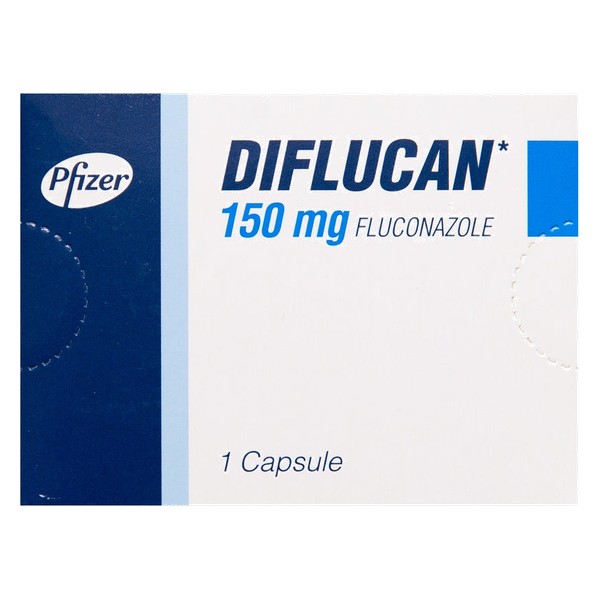
Diflucan (Pfizer)
Women's Health Treatment
Diflucan (Fluconazole) is a broad-spectrum azole antifungal medication used to treat and prevent a wide variety of yeast and fungal infections.
 PharmacyChecker
 Amazon Pharmacy
 Blink Health
 GoodRx
 Costco Pharmacy
Table of Contents
Diflucan Product Information
What is Diflucan / Fluconazole?
Diflucan, known generically as fluconazole, is a highly effective, broad-spectrum prescription antifungal medication belonging to the triazole class. Since its introduction by Pfizer in 1990, it has revolutionized the treatment of fungal infections, offering a safer, orally bioavailable alternative to older, more toxic intravenous antifungals like amphotericin B. Fluconazole is designed to combat a wide variety of fungal pathogens, most notably those belonging to the Candida and Cryptococcus species.
Unlike antibiotics, which target bacteria, fluconazole specifically targets the unique cellular architecture of fungi. It is available in multiple formulations, including oral tablets, a liquid suspension for pediatric or swallowing-impaired patients, and an intravenous (IV) solution for severe, systemic infections treated in a hospital setting. Its excellent pharmacokinetic profile—meaning it is rapidly and almost completely absorbed when taken by mouth—allows many patients to be treated effectively at home rather than requiring hospitalization.
Fluconazole is considered so vital to global public health that it is listed on the World Health Organization's (WHO) List of Essential Medicines. It is the cornerstone of treatment for common ailments like vaginal yeast infections, as well as life-threatening conditions such as cryptococcal meningitis in immunocompromised individuals.
FDA-Approved Uses and Clinical Indications
The U.S. Food and Drug Administration (FDA) has approved fluconazole for a broad range of fungal infections, spanning from superficial mucosal infections to deep-seated systemic diseases.
Vaginal Candidiasis: This is perhaps the most well-known use of Diflucan. A single 150 mg oral dose is highly effective at eradicating acute vaginal yeast infections caused by Candida albicans, offering a convenient alternative to messy topical creams and suppositories.
Oropharyngeal and Esophageal Candidiasis: Commonly known as "thrush," these infections occur in the mouth and throat, and can extend down the esophagus, causing severe pain and difficulty swallowing. Thrush is particularly common in infants, elderly patients wearing dentures, individuals using inhaled corticosteroids for asthma, and those with compromised immune systems (such as HIV/AIDS patients or those undergoing chemotherapy).
Systemic Candida Infections: Fluconazole is a first-line treatment for candidemia (yeast in the bloodstream), disseminated candidiasis (where the infection spreads to multiple organs), and Candida infections of the urinary tract and peritoneum. These are serious, often hospital-acquired infections that carry a high mortality rate if left untreated.
Cryptococcal Meningitis: This is a devastating fungal infection of the membranes surrounding the brain and spinal cord, caused by Cryptococcus neoformans. It primarily affects individuals with advanced HIV/AIDS. Fluconazole is crucial both for the acute treatment phase (often following initial therapy with amphotericin B) and for long-term suppressive therapy to prevent relapse.
Prophylaxis in Bone Marrow Transplant Patients: Patients undergoing bone marrow transplantation who receive cytotoxic chemotherapy or radiation therapy experience profound neutropenia (a severe drop in white blood cells), leaving them highly vulnerable to fungal infections. Fluconazole is administered prophylactically to prevent candidiasis in these high-risk patients.
Off-Label Uses in Dermatology and Beyond
While the FDA approves drugs for specific indications, physicians frequently prescribe fluconazole "off-label" based on clinical experience and emerging research for other fungal conditions.
Tinea Infections (Ringworm, Jock Itch, Athlete's Foot): While topical antifungals are the standard first-line treatment for dermatophyte infections (tinea corporis, tinea cruris, tinea pedis), oral fluconazole is often utilized for extensive, severe, or refractory cases that do not respond to creams. Its ability to concentrate in the skin and sweat makes it highly effective for these superficial infections.
Onychomycosis (Fungal Nail Infections): Fungal infections of the toenails and fingernails are notoriously difficult to treat because the fungus resides deep within the nail bed. While terbinafine is often preferred, fluconazole is a viable alternative, particularly for patients who cannot tolerate terbinafine. Treatment requires a long-term commitment, often involving a once-weekly dose for 3 to 6 months for fingernails, and 6 to 12 months for toenails, as the drug must be incorporated into the new nail as it grows.
Tinea Versicolor (Pityriasis Versicolor): This common skin condition, caused by the overgrowth of Malassezia yeast, results in discolored patches on the trunk and shoulders. A short course of oral fluconazole (often a single dose or a once-weekly dose for two weeks) is highly effective at clearing the overgrowth, though the skin discoloration may take months to fully resolve.
Coccidioidomycosis (Valley Fever): Endemic to the southwestern United States, this fungal respiratory infection can sometimes disseminate to the skin, bones, or meninges. Fluconazole is frequently used for the treatment of mild to moderate pulmonary Valley Fever and for the lifelong suppression of coccidioidal meningitis.
The Mechanism of Action: How Fluconazole Kills Fungi
To understand why fluconazole is so effective, one must look at the cellular level of the fungal pathogen. Fungi, like human cells, have a cell membrane that protects their internal structures and regulates what enters and exits the cell. However, the composition of these membranes differs significantly.
Human cell membranes rely on cholesterol for structural integrity and fluidity. Fungal cell membranes, on the other hand, rely on a different sterol called ergosterol. Ergosterol is absolutely essential for the survival, growth, and replication of the fungal cell.
Fluconazole exerts its fungistatic (and sometimes fungicidal) effect by targeting the biosynthesis of ergosterol. Specifically, it binds to and inhibits a fungal cytochrome P450 enzyme known as lanosterol 14-alpha-demethylase. This enzyme is responsible for converting lanosterol into ergosterol.
When fluconazole blocks this enzyme, two catastrophic things happen to the fungus: First, it is starved of the ergosterol it needs to build and maintain its cell membrane. Second, toxic precursor sterols (like 14-alpha-methyl sterols) accumulate within the cell. This combination severely weakens the fungal cell membrane, increasing its permeability. Essential cellular contents leak out, and the fungus is rendered unable to grow or divide, allowing the host's immune system to clear the infection.
Crucially, fluconazole is highly selective. It has a much higher affinity for the fungal cytochrome P450 enzymes than for human cytochrome P450 enzymes. This selectivity is what allows the drug to effectively kill the fungus without causing massive toxicity to human cells, though it does interact with some human liver enzymes, which accounts for its drug interaction profile.
Generic vs. Brand Name Diflucan
When a patient is prescribed this antifungal, they are often faced with the choice between the brand name, Diflucan, and its generic counterpart, fluconazole. Understanding the differences—and the similarities—is important for making an informed healthcare decision.
The History of Diflucan: Diflucan was developed and patented by the pharmaceutical giant Pfizer. Upon its FDA approval in 1990, it enjoyed a period of market exclusivity, during which Pfizer recouped its research and development costs. During this time, Diflucan was the only fluconazole product available, and it established a strong reputation for efficacy and reliability among physicians and patients alike.
The Rise of Generic Fluconazole: Pfizer's patent on Diflucan expired in 2004. This expiration opened the door for other pharmaceutical manufacturers to produce and sell generic versions of the drug. Today, generic fluconazole is manufactured by numerous companies, including Teva, Sandoz, and Taro Pharmaceuticals.
Bioequivalence and FDA Standards: By law, the FDA requires that any generic drug be "bioequivalent" to the brand-name innovator drug. This means that generic fluconazole must contain the exact same active ingredient (fluconazole), in the exact same dosage strength, and in the same dosage form (e.g., tablet, suspension) as Diflucan. Furthermore, the generic must be absorbed into the bloodstream at the same rate and to the same extent as the brand name. Therefore, from a clinical and therapeutic standpoint, generic fluconazole is identical to Diflucan and will treat the fungal infection just as effectively.
Differences in Excipients and Cost: The only permissible differences between Diflucan and generic fluconazole are the "excipients"—the inactive ingredients used as fillers, binders, and colorants. While these inactive ingredients do not affect the drug's efficacy, patients with specific, rare allergies (such as a severe dye allergy) should check the ingredient list of their specific generic formulation. The most significant difference for the consumer is cost. Generic fluconazole is exponentially cheaper than brand-name Diflucan, often costing only a few dollars per pill compared to the high premium commanded by the brand name. For this reason, insurance companies almost universally mandate the dispensing of the generic formulation.
Available Dosages and Treatment Protocols
Fluconazole is highly versatile, and its dosing regimen varies drastically depending on the type, severity, and location of the fungal infection, as well as the patient's age and kidney function.
150 mg (Single-Dose Therapy)
The 150 mg tablet is the most famous and frequently prescribed dosage of fluconazole. It is the FDA-approved standard of care for acute, uncomplicated vaginal candidiasis (yeast infections). A single 150 mg pill, taken by mouth, is usually sufficient to eradicate the infection. Symptoms typically begin to improve within 24 hours, though it may take a few days for complete resolution. For women who suffer from recurrent vaginal yeast infections (defined as four or more episodes per year), a physician may prescribe a suppressive regimen, which often involves taking one 150 mg tablet every 72 hours for three doses, followed by one 150 mg tablet once a week for six months.
50 mg to 200 mg (Daily Therapy)
These intermediate dosages are typically utilized for mucosal infections that require sustained treatment over several days or weeks. For oropharyngeal candidiasis (thrush), the standard protocol is a 200 mg loading dose on the first day, followed by 100 mg once daily for at least two weeks. Esophageal candidiasis requires a similar loading dose, but the daily maintenance dose may be increased to 200 mg, and treatment must continue for a minimum of three weeks. These dosages are also used for Candida urinary tract infections and for off-label treatments like tinea versicolor.
400 mg to 800 mg (High-Dose Systemic Therapy)
High-dose fluconazole is reserved for severe, life-threatening systemic infections. For cryptococcal meningitis, the standard induction therapy often involves a massive 400 mg (or sometimes 800 mg) daily dose, frequently administered intravenously in a hospital setting, until the cerebrospinal fluid is cleared of the fungus. This is followed by a consolidation phase of 200 mg to 400 mg daily for several weeks, and finally, a lifelong maintenance dose of 200 mg daily to prevent relapse in HIV/AIDS patients. High doses (400 mg daily) are also used for candidemia and disseminated candidiasis, with the duration of therapy extending for weeks after the symptoms have resolved.
The Pharmacokinetics: Absorption and Distribution
The pharmacokinetic profile of fluconazole is one of its greatest clinical strengths, distinguishing it from many other antifungal agents.
Rapid and Complete Absorption: When taken orally, fluconazole is rapidly and almost completely absorbed from the gastrointestinal tract. Its oral bioavailability is greater than 90%. This means that taking a pill is essentially just as effective as receiving the drug intravenously. Unlike some other azole antifungals (like ketoconazole or itraconazole), the absorption of fluconazole is not dependent on stomach acid, and it can be taken with or without food without affecting its efficacy.
Wide Tissue Distribution: Once in the bloodstream, fluconazole exhibits excellent penetration into all body fluids and tissues. It easily crosses the blood-brain barrier, achieving high concentrations in the cerebrospinal fluid (CSF)—which is why it is so effective for treating cryptococcal meningitis. It also concentrates heavily in saliva, sputum, vaginal secretions, blister fluid, and skin tissue, ensuring that the drug reaches the site of the infection, regardless of where it is located in the body.
Renal Excretion and Half-Life: Fluconazole is primarily cleared from the body by the kidneys. Approximately 80% of the administered dose is excreted unchanged in the urine. Because of this, patients with impaired kidney function (renal insufficiency) require significant dosage reductions to prevent the drug from accumulating to toxic levels in the blood. Fluconazole has a long elimination half-life of approximately 30 hours in patients with normal kidney function. This long half-life allows for convenient once-daily dosing for most indications, and even once-weekly dosing for certain off-label dermatological treatments.
Drug Interactions: The CYP450 System
While fluconazole is generally well-tolerated, its interaction with the body's metabolic enzymes is a critical clinical consideration. Fluconazole is a potent inhibitor of the cytochrome P450 (CYP450) enzyme system in the liver, specifically the isoenzymes CYP2C9 and CYP2C19, and a moderate inhibitor of CYP3A4.
The Danger of Enzyme Inhibition: Many common medications rely on these specific liver enzymes to be broken down and cleared from the body. When fluconazole inhibits these enzymes, it prevents the breakdown of those other drugs. Consequently, the blood levels of the co-administered drugs can rise rapidly, potentially reaching toxic and life-threatening concentrations.
Critical Interactions to Avoid: Fluconazole must never be taken with certain medications due to the risk of severe cardiac arrhythmias (specifically, prolongation of the QT interval leading to Torsades de Pointes). These contraindicated drugs include erythromycin (an antibiotic), pimozide (an antipsychotic), and quinidine (an antiarrhythmic). Co-administration with these drugs can be fatal.
Medications Requiring Careful Monitoring: Numerous other medications require strict dosage adjustments and close clinical monitoring if taken concurrently with fluconazole. These include:
- Warfarin (Coumadin): Fluconazole significantly increases the blood-thinning effect of warfarin, drastically increasing the risk of severe bleeding. Prothrombin time (PT/INR) must be monitored closely.
- Statins (e.g., Atorvastatin, Simvastatin): Increased statin levels can lead to myopathy and rhabdomyolysis (severe muscle breakdown).
- Oral Hypoglycemics (e.g., Glipizide, Glyburide): Fluconazole can increase the levels of these diabetes medications, leading to dangerous hypoglycemia (low blood sugar).
- Phenytoin: Levels of this anti-seizure medication can rise to toxic levels, requiring dose reduction.
- Immunosuppressants (e.g., Cyclosporine, Tacrolimus): Used in transplant patients, these drugs have a narrow therapeutic window, and fluconazole can push them into the toxic range, causing kidney damage.
Side Effects and Adverse Reactions
Fluconazole is generally considered safe, especially when used as a single 150 mg dose for vaginal candidiasis. However, like all systemic medications, it carries a profile of potential side effects, ranging from mild nuisances to severe, life-threatening conditions.
Common, Mild Side Effects: The most frequently reported adverse reactions are gastrointestinal in nature. Patients may experience nausea, mild abdominal pain, diarrhea, or an upset stomach. Neurological side effects such as headache and dizziness are also relatively common. Some patients report a temporary alteration in their sense of taste (dysgeusia). These mild side effects are usually transient and resolve once the medication is discontinued.
Hepatotoxicity (Liver Damage): The most significant organ-specific risk associated with fluconazole is hepatotoxicity. While rare, fluconazole has been associated with serious hepatic toxicity, including fatalities. This risk is highest in patients with serious underlying medical conditions (such as AIDS or malignancy) who are taking multiple medications. However, liver injury has also occurred in patients with no prior history of liver disease. Symptoms of liver damage include severe fatigue, loss of appetite, right upper quadrant abdominal pain, dark urine, clay-colored stools, and jaundice (yellowing of the skin and eyes). Liver function tests (AST, ALT, bilirubin) should be monitored in patients receiving prolonged fluconazole therapy.
Dermatological Reactions: Skin reactions are a known risk. While mild rashes can occur, fluconazole has, in rare instances, been linked to severe, life-threatening exfoliative skin disorders, such as Stevens-Johnson syndrome (SJS) and toxic epidermal necrolysis (TEN). Patients, particularly those with compromised immune systems, who develop a rash during fluconazole treatment must be monitored closely, and the drug should be discontinued if the lesions progress.
Cardiac Risks (QT Prolongation): As mentioned in the drug interactions section, fluconazole can prolong the QT interval on an electrocardiogram (ECG). This electrical anomaly can trigger a dangerous, potentially fatal heart rhythm called Torsades de Pointes. This risk is primarily a concern for patients who already have structural heart disease, electrolyte imbalances (such as low potassium or magnesium), or who are taking other medications that also prolong the QT interval.
Fluconazole in Pregnancy and Breastfeeding
The use of fluconazole during pregnancy requires a careful risk-benefit analysis, as the drug's safety profile varies significantly depending on the dosage and the trimester of exposure.
Single-Dose Therapy (150 mg): For many years, a single 150 mg dose of fluconazole for vaginal yeast infections was considered relatively safe during pregnancy. However, recent large-scale epidemiological studies have raised concerns. Some data suggests that even a single dose of fluconazole taken during the first trimester may be associated with a slightly increased risk of spontaneous abortion (miscarriage) and certain congenital heart defects. Consequently, the FDA advises caution, and many obstetricians prefer to use topical antifungal creams (which are not absorbed systemically) as the first-line treatment for vaginal candidiasis during pregnancy.
High-Dose Therapy (400-800 mg/day): The use of high-dose, long-term fluconazole during the first trimester is strictly contraindicated unless the mother's life is in immediate danger (e.g., severe systemic fungal infection or cryptococcal meningitis). High-dose exposure has been definitively linked to a rare and distinct pattern of severe birth defects, known as "fluconazole embryopathy." These defects include craniofacial abnormalities (such as cleft palate and abnormal skull development), skeletal malformations (such as bowing of the long bones and rib anomalies), and congenital heart defects. Women of childbearing potential who are prescribed high-dose fluconazole must use highly effective contraception during treatment and for at least one week after the final dose.
Breastfeeding: Fluconazole is secreted into human breast milk, reaching concentrations similar to those found in the mother's blood plasma. While a single 150 mg dose is generally considered acceptable by many pediatricians for a nursing mother, prolonged or high-dose therapy may pose a risk to the nursing infant. Mothers should consult with their healthcare provider to weigh the necessity of the medication against the potential risks to the baby.
The Growing Threat of Antifungal Resistance
Just as the overuse of antibiotics has led to the crisis of antibiotic-resistant bacteria, the widespread use of fluconazole has fueled the emergence of fluconazole-resistant fungi. This is a significant and growing threat to global public health.
Mechanisms of Resistance: Fungi are highly adaptable organisms. When repeatedly exposed to fluconazole, particularly at sub-therapeutic doses or during prolonged prophylactic use, they can develop genetic mutations that render the drug ineffective. The most common mechanisms of resistance include: 1. Efflux Pumps: The fungus upregulates the production of "efflux pumps" in its cell membrane. These pumps actively spit the fluconazole molecules back out of the cell before the drug can reach its target enzyme. 2. Target Enzyme Alteration: The fungus mutates the gene encoding the lanosterol 14-alpha-demethylase enzyme. The altered enzyme still functions to build the cell wall, but its shape is changed just enough that fluconazole can no longer bind to it effectively. 3. Ergosterol Pathway Bypass: The fungus develops alternative metabolic pathways to synthesize ergosterol or utilizes different sterols entirely, bypassing the step that fluconazole inhibits.
Clinical Implications: While Candida albicans (the most common cause of yeast infections) generally remains susceptible to fluconazole, other species of Candida are inherently resistant or rapidly acquire resistance. Candida glabrata exhibits dose-dependent resistance, meaning higher doses of fluconazole are required to kill it. More concerning is Candida krusei, which is intrinsically resistant to fluconazole; treating a C. krusei infection with fluconazole will fail. The emergence of Candida auris, a multidrug-resistant superbug that spreads rapidly in healthcare settings, is a major global concern, as it is frequently resistant to fluconazole and other azoles.
Antimicrobial Stewardship: To combat resistance, healthcare providers must practice strict antimicrobial stewardship. This means prescribing fluconazole only when a fungal infection is confirmed or highly suspected, using the correct dosage for the correct duration, and avoiding unnecessary prophylactic use. Patients must also do their part by completing the full course of prescribed therapy, even if symptoms improve quickly, to ensure all fungal cells are eradicated and to prevent the survival of resistant mutants.
Purchasing Diflucan: Cost, Insurance, and Legal Acquisition
Acquiring Diflucan or its generic equivalent, fluconazole, requires navigating the healthcare system, as it is a prescription-only medication in the United States and most other developed nations.
Prescription Requirement: Because of the potential for severe drug interactions, hepatotoxicity, and the risk of contributing to antifungal resistance, fluconazole cannot be purchased over-the-counter (OTC). A licensed healthcare provider (physician, nurse practitioner, or physician assistant) must evaluate the patient's symptoms, medical history, and current medications before issuing a prescription. For vaginal yeast infections, many clinics and telehealth services offer rapid consultations to facilitate access to the single-dose 150 mg tablet.
Cost and Insurance Coverage: The cost of therapy varies dramatically depending on whether the brand name or generic is dispensed. Brand-name Diflucan is highly expensive, often costing hundreds of dollars for a single pill or a short course of therapy. In contrast, generic fluconazole is highly affordable. A single 150 mg generic tablet can often be purchased for under $10 to $20 out-of-pocket. Almost all commercial health insurance plans, Medicare, and Medicaid cover generic fluconazole, typically placing it on their lowest-cost generic formulary tier. Insurance companies will rarely cover brand-name Diflucan unless the prescribing physician submits a strict "Dispense as Written" (DAW) prior authorization proving a medical necessity for the brand name over the generic.
Avoiding Counterfeit Medications: The high cost of healthcare drives some patients to seek medications from unverified online pharmacies. Purchasing fluconazole from illicit, unregulated websites is extremely dangerous. Counterfeit antifungals may contain no active ingredient (leaving the infection untreated), incorrect dosages, or toxic heavy metals and fillers. Patients should only fill prescriptions at licensed, brick-and-mortar pharmacies or verified, VIPPS-accredited online pharmacies that require a valid prescription from a licensed practitioner.
Official Instructions and Guidelines
Proper administration of fluconazole is essential for maximizing its efficacy and minimizing the risk of adverse events. Patients must strictly adhere to the instructions provided by their healthcare provider and the dispensing pharmacist.
Administration: Fluconazole tablets and oral suspension can be taken at any time of day, without regard to meals. Taking the medication with food does not decrease its absorption and may help alleviate mild gastrointestinal upset. If using the oral suspension, the bottle must be shaken vigorously before each use to ensure the medication is evenly distributed. Patients must use a precise medical measuring device (such as an oral syringe or a calibrated medicine cup provided by the pharmacy), never a standard household kitchen spoon, to ensure accurate dosing.
Missed Doses: If a patient misses a daily dose of fluconazole, they should take it as soon as they remember. However, if it is almost time for the next scheduled dose, the missed dose should be skipped, and the regular dosing schedule resumed. Patients should never take a "double dose" to make up for a missed one, as this increases the risk of toxicity.
Duration of Therapy: The most critical instruction is to complete the entire prescribed course of therapy. For infections requiring multi-day or multi-week treatment (such as thrush or systemic infections), symptoms may improve or disappear completely before the infection is fully eradicated. Stopping the medication prematurely allows the surviving, hardiest fungal cells to multiply, leading to a relapse of the infection that may now be resistant to fluconazole.
When to Seek Immediate Medical Attention: Patients must be educated on the warning signs of severe adverse reactions. Immediate medical attention is required if the patient experiences symptoms of anaphylaxis (hives, swelling of the face/throat, difficulty breathing), signs of liver failure (severe fatigue, jaundice, dark urine, right-sided abdominal pain), a severe, blistering skin rash, or sudden, irregular heartbeats (palpitations or fainting).
Government and Regulatory Resources
For patients and healthcare professionals seeking authoritative, up-to-date information on fluconazole, several government and regulatory bodies provide comprehensive resources.
The U.S. Food and Drug Administration (FDA): The FDA's official website provides access to the most current prescribing information (the "package insert") for Diflucan and generic fluconazole. This document contains exhaustive details on clinical pharmacology, FDA-approved indications, contraindications, Black Box Warnings, and comprehensive drug interaction tables. The FDA also issues safety alerts and recalls regarding fluconazole products.
The Centers for Disease Control and Prevention (CDC): The CDC is the premier resource for information on fungal diseases and public health. Their website offers detailed guidelines on the diagnosis, treatment, and prevention of candidiasis, cryptococcosis, and other fungal infections. The CDC also tracks the emergence and spread of antifungal-resistant pathogens, such as Candida auris, providing critical epidemiological data for healthcare providers.
The National Center for Biotechnology Information (NCBI): Hosted by the National Institutes of Health (NIH), the NCBI provides access to PubMed, a vast database of peer-reviewed biomedical literature. Patients and researchers can find thousands of clinical trials, case studies, and pharmacological reviews detailing the efficacy, safety, and off-label uses of fluconazole. The NCBI's StatPearls database also offers excellent, peer-reviewed clinical summaries of fluconazole therapy.
The World Health Organization (WHO): Fluconazole's inclusion on the WHO Model List of Essential Medicines underscores its global importance. The WHO provides guidelines on the use of fluconazole in resource-limited settings, particularly for the management of opportunistic fungal infections in populations heavily affected by the HIV/AIDS epidemic.
Fluconazole in Pediatric Patients
The use of fluconazole in infants and children requires specialized knowledge, as pediatric pharmacokinetics differ significantly from those of adults. Children are not simply "small adults," and their bodies process medications at different rates.
Neonatal and Infant Dosing: In premature neonates and full-term infants, the kidneys are not fully developed. Because fluconazole is primarily cleared by the kidneys, its half-life is significantly prolonged in the first few weeks of life. Therefore, dosing intervals must be extended. For example, a neonate might receive a dose every 72 hours, rather than daily, to prevent the drug from accumulating to toxic levels. As the infant's kidneys mature over the first month of life, the dosing interval is gradually shortened to every 48 hours, and eventually to once daily.
Older Children: Conversely, older infants and children (typically between 6 months and 12 years of age) often clear fluconazole from their bodies faster than adults do. Consequently, they require higher weight-based doses (mg/kg) to achieve the same therapeutic blood concentrations. For severe infections like cryptococcal meningitis or systemic candidiasis, a child might require up to 12 mg/kg/day, whereas an adult might only require 6 mg/kg/day. Pediatric dosing must always be carefully calculated based on the child's exact weight in kilograms.
Safety Profile in Children: Fluconazole is generally well-tolerated in pediatric populations. The side effect profile is similar to that seen in adults, with gastrointestinal upset (vomiting, diarrhea) being the most common complaint. However, because children are still growing and developing, pediatricians monitor them closely for any signs of hepatotoxicity or unusual skin reactions during prolonged therapy.
Fluconazole and the Immunocompromised Host
The true life-saving power of fluconazole is most evident in patients with severely compromised immune systems. For these individuals, fungal infections are not merely a nuisance; they are a leading cause of morbidity and mortality.
HIV/AIDS: Before the advent of highly active antiretroviral therapy (HAART), fungal infections were a hallmark of advanced AIDS. Oropharyngeal and esophageal candidiasis caused severe wasting, as patients were in too much pain to eat. Cryptococcal meningitis was a frequent cause of death. Fluconazole revolutionized the management of these opportunistic infections. Even today, for patients who present with advanced HIV or who fail HAART, fluconazole remains a critical component of their care, often taken daily as lifelong suppressive therapy to keep the fungus at bay.
Oncology and Chemotherapy: Cancer patients undergoing intensive chemotherapy, particularly those with hematological malignancies like leukemia, experience prolonged periods of neutropenia. Without sufficient white blood cells, the body cannot fight off the Candida species that naturally colonize the gut and skin. These fungi can invade the bloodstream, causing candidemia. Fluconazole is routinely used as prophylaxis in these high-risk patients, significantly reducing the incidence of invasive fungal infections and improving overall survival rates during cancer treatment.
Solid Organ Transplants: Patients who receive kidney, liver, or heart transplants must take powerful immunosuppressive drugs for the rest of their lives to prevent organ rejection. This immunosuppression leaves them vulnerable to fungal pathogens. Fluconazole is often used prophylactically in the immediate post-transplant period, particularly for liver transplant recipients who are at high risk for intra-abdominal Candida infections. However, the use of fluconazole in this population requires extreme caution due to its potent drug interactions with immunosuppressants like cyclosporine and tacrolimus, requiring meticulous therapeutic drug monitoring.
Diflucan Quick View
| Manufacturer | Pfizer |
|---|---|
| Type | Azole Antifungal |
| Prescription | Required |
| Pregnancy Category | Category C (Single 150mg dose) / Category D (High dose/Long term) |
| Alcohol Interaction | Avoid alcohol. Both fluconazole and alcohol can stress the liver. |
Diflucan Side Effects
Common Side Effects
- Headache
- Nausea or upset stomach
- Diarrhea
- Dizziness
- Changes in taste
Uncommon Side Effects
- Skin rash
- Vomiting
- Abdominal pain
- Fatigue
Rare Side Effects
- Severe liver damage (hepatotoxicity)
- Severe skin reactions (Stevens-Johnson syndrome)
- Irregular heartbeat (QT prolongation)
- Seizures
Important Warning: WARNING: Fluconazole has significant drug interactions. It strongly inhibits CYP450 enzymes. Co-administration with drugs like erythromycin, pimozide, or quinidine is contraindicated due to the risk of fatal cardiac arrhythmias.
More Information About Diflucan
Storage
Store at room temperature away from moisture and heat.
Contraindications
Drug Interactions
Diflucan FAQs
Written and Reviewed by Our Qualified Team

Find out more about our medical content authors and how we ensure the accuracy of our content.
Content last updated: 20 May 2024
Diflucan Reviews
Based on 92 reviews
Diflucan worked quickly for my yeast infection, and I appreciated that it was just a single dose. I experienced mild headaches but nothing too bothersome.
I was skeptical at first, but Diflucan cleared up my symptoms within a few days. It was easy to take and didn't upset my stomach.
After trying other treatments, Diflucan was a noticeable improvement. The medication was simple to use, though I did feel a little tired afterward.
This medication did the job effectively; my discomfort reduced significantly. The only downside was a slight metallic taste that went away after a day.
Diflucan provided relief faster than I expected and was convenient to take. I had no side effects, which was a pleasant surprise.
The treatment was effective, but I experienced a bit of nausea. Overall, I'm satisfied because it resolved the problem pretty quickly.
Using Diflucan was straightforward and it worked well for me. I liked that I didn't have to take multiple doses over several days.
I gave Diflucan 4 stars because it healed my infection quickly, although I noticed some mild skin irritation during treatment.
This medicine was a relief during a tough time. It was painless to take and did not interfere with my daily activities.
Diflucan helped me get back to normal within a short period. The minor dizziness I felt was manageable and didn't last long.
I found Diflucan to be very effective in clearing up my fungal infection. The single-dose treatment was convenient, and I only experienced slight fatigue for a day.
Diflucan worked well for me, and I appreciated how quickly I started feeling better. The only issue was a mild upset stomach, but it was manageable.
This medication lived up to its promise. My symptoms improved noticeably within a few days, and taking it was hassle-free with no significant side effects.
I gave Diflucan 5 stars because it resolved my symptoms efficiently. The pill was easy to swallow, and I felt minimal discomfort throughout the treatment.
Diflucan helped me recover without any complicated regimen. I had a small headache after taking it, but it was worth the quick relief I experienced.
This was a dependable treatment option for my condition. I liked that I didn't have to keep track of multiple doses, and it worked better than alternatives I've tried.
Taking Diflucan was simple, and I saw a noticeable reduction in symptoms fast. I did experience slight dizziness once, but it passed quickly.
I am pleased with the results from Diflucan. It cleared up my infection in a short time, and despite a bit of mild nausea, it was easy to handle.
Diflucan was an easy and effective solution. I had to rate it 4 stars only because I felt a bit more tired than usual, but that subsided soon after.
This medication addressed my fungal issue promptly. The single dose was convenient, and I experienced no adverse effects during the course of treatment.
I found Diflucan to work effectively and appreciated not having to take it multiple times. The relief came fairly quickly, and I only noticed a slight dryness in my mouth for a day.
Diflucan was a straightforward treatment for me. It handled the infection well, and I liked the convenience. The only minor drawback was a temporary feeling of mild bloating.
This medication showed good results, and I was happy with how simple the dosing was. I did experience some mild fatigue the next day but overall very satisfied.
I was impressed by how quickly Diflucan alleviated my symptoms. It was easy to swallow, and I had no significant side effects. The treatment made a real difference.
Diflucan helped me get past my fungal infection with minimal fuss. I did feel slightly lightheaded a few hours after taking it, but that went away quickly and didn't interfere with my day.
Taking Diflucan was hassle-free and effective. My symptoms improved within a couple of days, and I only noticed a slight sensation of warmth in my stomach, which wasn't bothersome.
This drug offered great relief with just one dose. I was pleasantly surprised by how smoothly the treatment went. A minor complaint was a tiny bit of increased thirst.
Diflucan performed well for my infection, and I was able to resume normal activities quickly. I experienced a brief dry throat, but that was the only side effect I noticed.
I appreciated the quick response Diflucan provided in treating my issue. While I felt a bit off balance for a short time, the benefits far outweighed the minor side effect.
Diflucan was effective and simple to use. I was glad there was no need for ongoing dosing. A little bit of mild stomach discomfort appeared but resolved within a day.
Diflucan cleared up my infection efficiently, and I liked how uncomplicated the treatment was. I did have a slight dry mouth that lasted only a day, but overall very pleased.
Taking Diflucan was quick and easy, and I noticed improvement sooner than I expected. I experienced some mild grogginess the next morning, but it didn’t interfere with my routine.
I appreciated Diflucan’s single-dose approach. It worked well for my fungal infection, though I did experience slight stomach cramps for a few hours after taking it.
The medication worked well to relieve my symptoms. I found the pill easy to swallow, and while I felt a little bit of bloating afterward, it wasn’t bothersome.
Diflucan was a convenient option that brought noticeable relief. My only minor complaint is that I experienced some brief mild flushing, which passed quickly.
This treatment was effective and hassle-free. I liked the quick dosing, and the only side effect I noticed was a subtle metallic aftertaste that faded soon.
Diflucan helped reduce my symptoms rapidly. I found it easy to integrate into my day, although I noticed a little bit of mild heartburn afterward.
I had a positive experience with Diflucan—the single dose helped clear my infection without complications, except for a slight feeling of tiredness that resolved quickly.
The effectiveness of Diflucan was impressive. I liked that I didn’t need multiple doses, and the only side effect was a mild dry skin sensation that disappeared shortly after.
Diflucan made a noticeable difference for me in a short amount of time. The taste was neutral, and aside from a brief sensation of dizziness, I had no significant side effects.
Diflucan cleared up my fungal infection efficiently, and I was pleased with how simple the treatment process was. I only experienced a slight tingling sensation in my mouth for a brief period.
The single-dose nature of Diflucan made it very straightforward to use. I noticed significant improvement within a few days and had no side effects to report.
Diflucan provided effective relief and was very convenient. I did feel mildly anxious for a short while post-dose, but it did not impact my daily routine.
I was happy with Diflucan’s performance. It eliminated my symptoms quickly, and swallowing the pill was effortless. The only mild side effect I noticed was occasional dry eyes.
This medication worked well and cleared the infection faster than I anticipated. It was very easy to use, and I only felt a slight warmth in my chest for a brief moment.
Diflucan’s effectiveness impressed me. I experienced real symptom relief quickly and appreciated that there was no complicated dosing schedule. I did have a minor dry cough that lasted a day.
Taking Diflucan was hassle-free, and it helped clear my symptoms efficiently. I felt a little bit of mild indigestion after the dose, but it was manageable and short-lived.
Diflucan worked smoothly and brought quick symptom relief. The only side effect I noticed was temporary sensitivity in my teeth that faded within two days.
I found Diflucan to be an effective treatment that was easy to take. I felt a brief episode of light-headedness after dosing, but it passed quickly and didn’t affect my activities.
The medication was simple to use and worked well for me. I appreciated how fast my symptoms improved. I experienced mild dryness in my throat, but it resolved promptly.
I was pleased with how Diflucan addressed my symptoms steadily over a few days. Taking the pill was uncomplicated, and I only noticed a slight feeling of increased fatigue, which faded quickly.
Diflucan was a convenient treatment choice that fit easily into my schedule. I experienced moderate relief within 48 hours, though I did have a mild, transient headache after taking it.
This medication effectively controlled my fungal infection with minimal hassle. I liked the low pill count, and the only side effect was a brief period of mild stomach cramping.
Diflucan provided consistent improvement, and I appreciated not having to manage multiple doses. I did feel a little queasy initially, but that subsided without needing any intervention.
The single dose of Diflucan was really simple to take, and I noticed gradual symptom relief over several days. I experienced a slight dryness in my mouth, but it wasn’t uncomfortable.
I found Diflucan reliable in treating my condition. It took a couple of days to see full benefits, and the medication did not disrupt my daily routine aside from some mild tiredness.
Diflucan was straightforward to use and offered significant relief. A very mild bloated sensation appeared after dosing, but luckily it was short-lived and didn’t cause any problems.
I appreciated the ease of Diflucan’s dosing and how it worked over time. While I did experience occasional mild dizziness after taking it, it didn’t interfere with my activities.
This drug helped reduce the infection symptoms steadily and was easy to incorporate into my treatment. I noticed a slight warming feeling in my stomach for a short duration, which wasn’t troublesome.
Diflucan’s effectiveness was notable, and I liked the simplicity of the regimen. I felt a little sleepy the day I took it, but it passed quickly and didn’t affect my overall satisfaction.
Diflucan delivered noticeable improvement within two days and was convenient to take. I only experienced a slight dryness in my mouth, which went away quickly.
I found Diflucan easy to swallow and effective. It eased my symptoms steadily and the treatment didn’t interfere with my daily routine at all.
The medication worked well for my fungal infection. I appreciated the single-dose approach, though I felt a bit of mild stomach discomfort for a short while.
My symptoms started to improve noticeably within days of taking Diflucan. The pill was easy to take, and I didn’t experience any significant side effects.
Diflucan was quite effective in resolving my infection. I had a little bit of lightheadedness after the dose, but otherwise, it was smooth and hassle-free.
I liked that Diflucan required only a single dose. It helped clear my symptoms in a short time, with just a mild sensation of dryness in the throat afterward.
This medication was straightforward to use and provided steady relief. The only minor issue was a brief mild headache, but it resolved quickly without needing medication.
After taking Diflucan, my symptoms started to improve within a couple of days. I took the pill easily, and the only side effect was slight tiredness that passed fast.
Diflucan turned out to be an effective treatment for me. It was easy to integrate into my day, and while I noticed mild bloating after taking it, it subsided quickly.
I was pleased with how quickly Diflucan worked. Swallowing the pill was simple, and the only side effect I noticed was a subtle sensation of warmth in my stomach that faded soon.
I found Diflucan to be quite effective, and I liked the convenience of a single dose. My symptoms improved steadily, and I only felt a minor itching sensation that disappeared quickly.
Diflucan worked well in treating my fungal infection. I appreciated how easy the pill was to take, although I experienced a mild dryness in my mouth for a short period.
The single-dose regimen of Diflucan was very manageable. It helped reduce my symptoms noticeably within a few days. I only experienced a slight warmth in my chest that quickly passed.
I was satisfied with Diflucan’s performance. It cleared up my condition with minimal fuss. There was a mild feeling of nausea initially, but that went away without any intervention.
Diflucan helped me recover effectively. The treatment was simple to follow, and I only had a brief experience of light fatigue that did not affect my daily activities.
This medication provided good relief over a short time. I liked that I didn’t have to take it multiple times, and the only side effect I noticed was a slight irritation in my throat.
Diflucan was a convenient treatment option, and I was happy with how quickly I felt better. A mild headache occurred once but resolved without needing medication.
Taking Diflucan was straightforward, and it did a great job at addressing my infection. The only minor side effect was a brief episode of dizziness that went away quickly.
I appreciated Diflucan’s single-dose approach. Symptom relief was steady, and I only experienced a minor bloated feeling shortly after taking the pill.
Diflucan was effective and easy to use. My symptoms improved within a couple of days, and I noticed just a slight dry mouth that faded quickly.
Diflucan was effective in treating my infection, and I liked that it required just one dose. I experienced a mild sensation of warmth in my chest, but it was short-lived and didn't bother me much.
I had a positive experience with Diflucan. It worked well and fast to reduce my symptoms. The pill was easy to swallow, and the only minor side effect was a brief episode of slight bloating.
The medication helped clear up my fungal infection efficiently. I appreciated the simple dosing, and although I noticed a slight dryness in my throat afterward, it resolved quickly.
Diflucan was straightforward to take and did a great job improving my symptoms within a few days. I did experience mild tiredness once, but it didn’t interfere with my daily routine.
I was pleasantly surprised by how quickly Diflucan started working. Taking the pill was hassle-free, and I only had a minor feeling of mild nausea, which disappeared soon after.
This drug made a noticeable difference in my fungal infection while being easy to use. I felt a slight dry cough for a short period after taking it, but that did not bother me.
Diflucan offered effective relief with only one dose needed. I felt a little bit of light-headedness shortly after taking it, but it went away quickly and didn’t affect my activities.
The single-dose treatment was very convenient. Diflucan helped reduce my discomfort rapidly, and I noticed only a small sensation of increased thirst, which faded quickly.
I appreciated Diflucan’s simple regimen. My infection improved steadily over a few days, and the only side effect I noticed was a brief mild headache that went away without medication.
Diflucan worked well for me, and I liked that it did not require multiple doses. I experienced a slight tingling feeling in my mouth for a short time, but overall I am very satisfied.
I found Diflucan very convenient since it required just one dose, and it worked effectively to clear my infection in under a week. The only minor issue was a brief episode of mild stomach cramping that resolved quickly.
Diflucan was quite effective at reducing my symptoms steadily over a few days. I liked the simplicity of the treatment process and only experienced a slight occasional headache that dissipated swiftly.
Leave a Review
How Does It Work?
Research
Read our comprehensive review to understand the medication
Consult Your Doctor
Discuss the medication with your healthcare provider
Get Your Prescription
Obtain a valid prescription from your doctor