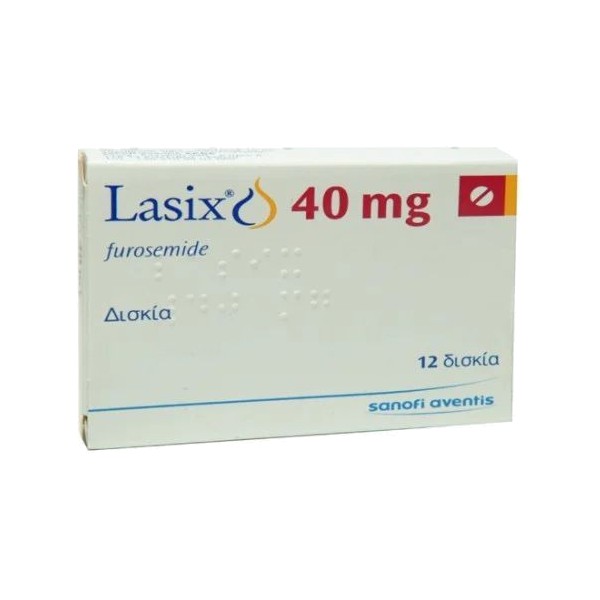
Lasix (Lasix)
General Health Treatment
The definitive medical guide to Lasix (Furosemide): a potent loop diuretic essential for managing edema in heart failure, liver cirrhosis, and renal disease, detailing dosing strategies and critical electrolyte management.
 GoodRx
 PharmacyChecker
 Amazon Pharmacy
 Costco Pharmacy
 Blink Health
Table of Contents
Lasix Product Information
What is Lasix (Furosemide)?
Lasix, the most widely recognized brand name for the generic medication furosemide, is a potent, fast-acting diuretic (commonly referred to as a 'water pill'). It belongs to a specific class of medications known as loop diuretics. First introduced in the 1960s, furosemide has become a cornerstone of cardiovascular and renal medicine, earning a place on the World Health Organization's List of Essential Medicines due to its critical role in managing fluid overload and acute medical emergencies.
The primary function of Lasix is to force the kidneys to excrete excess water and salt (sodium and chloride) from the body through the urine. By rapidly reducing the volume of fluid circulating in the blood vessels and accumulating in the tissues, Lasix effectively relieves the physical swelling (edema) and the severe strain placed on the heart and lungs by conditions like congestive heart failure. The name 'Lasix' itself is derived from its duration of action: it typically 'lasts six' hours when taken orally.
Mechanism of Action: How Loop Diuretics Work
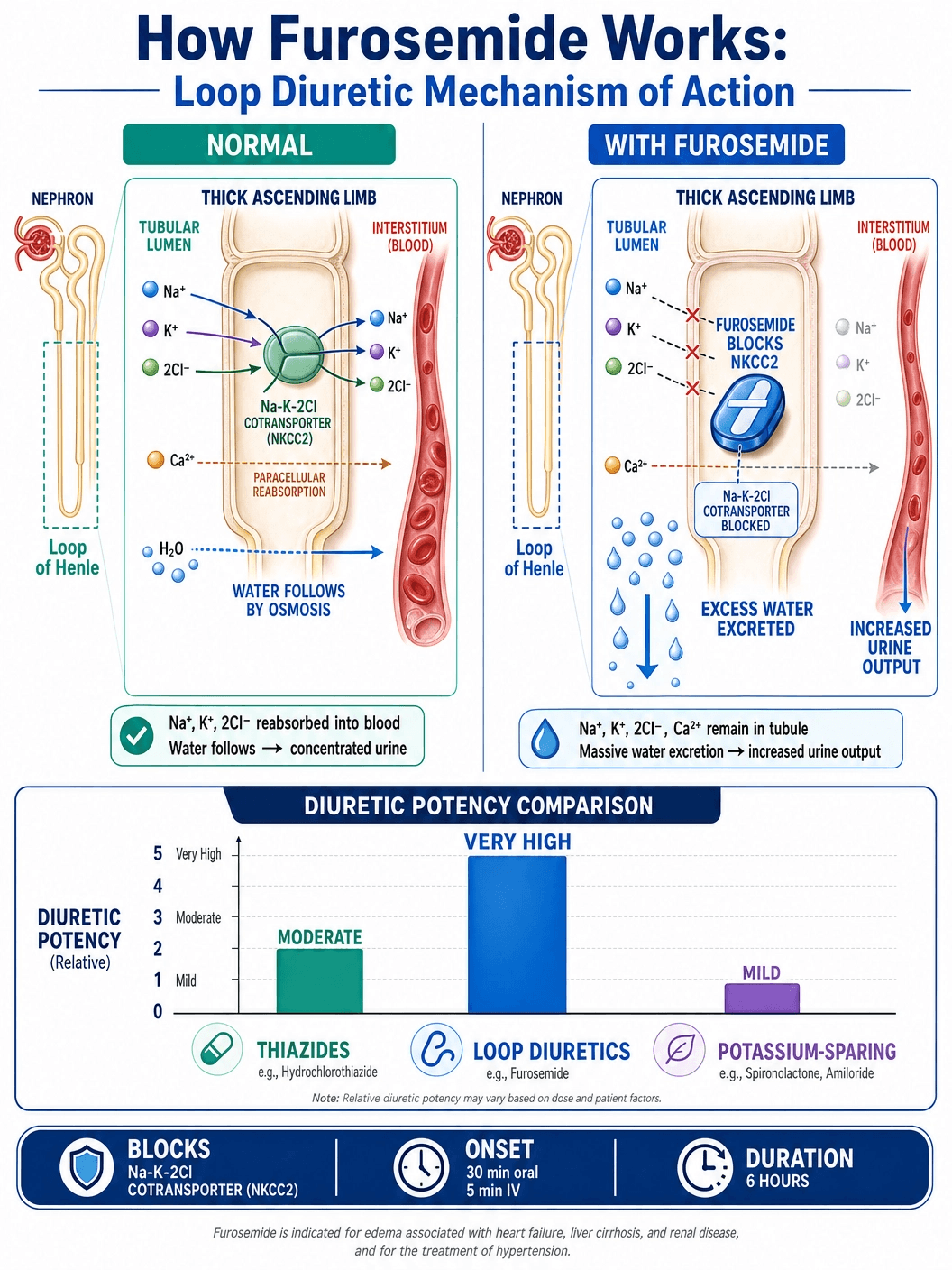
To understand how Lasix works, one must look at the microscopic filtering units of the kidneys, called nephrons. Within each nephron is a U-shaped structure known as the Loop of Henle. Specifically, Lasix targets the thick ascending limb of the Loop of Henle.
Normally, as filtered fluid passes through this section of the kidney, a specialized protein called the Na-K-2Cl cotransporter actively reabsorbs sodium, potassium, and chloride back into the bloodstream, pulling water along with it via osmosis. Furosemide works by directly binding to and blocking this cotransporter. By preventing the reabsorption of these electrolytes, a high concentration of salt remains in the kidney tubules. Because water follows salt, a massive volume of water is drawn into the urine and excreted from the body. This profound diuretic effect is much stronger than that of other classes of diuretics, such as thiazides, making loop diuretics the drug of choice for rapid fluid removal.
FDA-Approved Uses and Clinical Indications
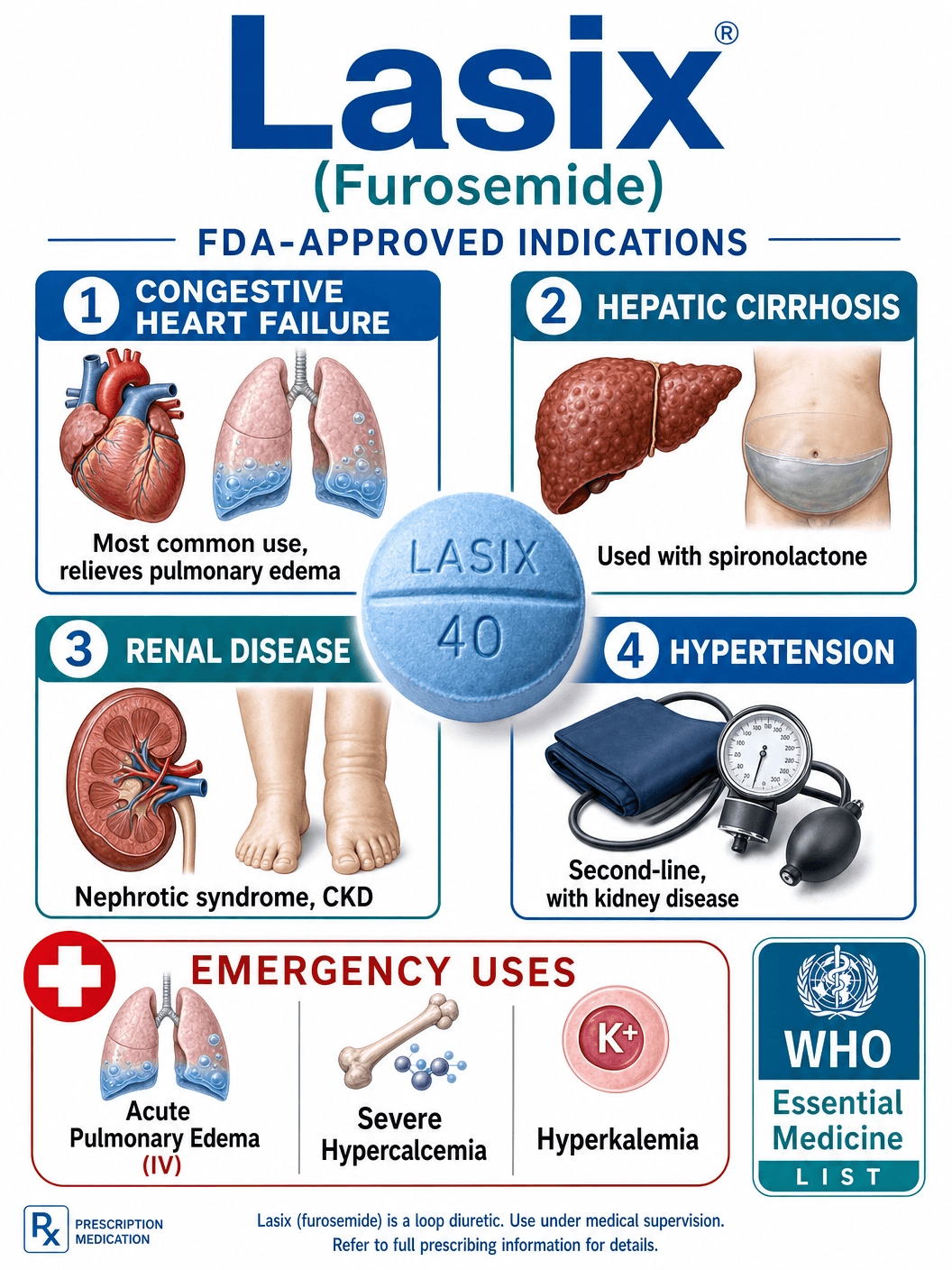
Lasix is FDA-approved for several critical conditions characterized by fluid retention and elevated blood pressure.
Edema Associated with Congestive Heart Failure (CHF): This is the most common and critical use of Lasix. In heart failure, the heart cannot pump blood efficiently, causing fluid to back up into the lungs (pulmonary edema) and the extremities (peripheral edema). Lasix rapidly removes this fluid, relieving shortness of breath and reducing the workload on the failing heart.
Edema Associated with Hepatic Cirrhosis: Severe liver disease can lead to a massive accumulation of fluid in the abdominal cavity, a condition known as ascites. Lasix, often used in combination with another diuretic called spironolactone, helps mobilize and excrete this fluid.
Edema Associated with Renal Disease: In conditions like nephrotic syndrome or chronic kidney disease, the kidneys fail to excrete sodium properly, leading to severe swelling. Lasix remains effective even when kidney function is significantly impaired, unlike some other diuretics.
Hypertension (High Blood Pressure): While not typically a first-line treatment for essential hypertension (thiazide diuretics are usually preferred), Lasix may be used alone or in combination with other antihypertensive drugs in patients who have high blood pressure complicated by kidney disease or heart failure.
Off-Label Uses and Emergency Medicine
In acute care and emergency settings, intravenous (IV) furosemide is a life-saving intervention.
Acute Pulmonary Edema: When a patient presents to the emergency room drowning in their own lung fluid due to acute heart failure, IV Lasix is administered immediately. It not only induces rapid urination but also causes immediate venodilation (widening of the veins), which reduces the return of blood to the heart and relieves lung pressure even before the diuretic effect begins.
Severe Hypercalcemia: Because Lasix forces the excretion of calcium along with sodium, it is used in conjunction with aggressive IV hydration to rapidly lower dangerously high calcium levels in the blood, often caused by certain cancers or hyperparathyroidism.
Hyperkalemia: Similarly, it can be used to help excrete dangerously high levels of potassium, though this must be done with extreme caution and monitoring.
Understanding Side Effects and Electrolyte Imbalance
Because Lasix is so effective at forcing the kidneys to excrete water and salts, its primary side effects are directly related to the excessive loss of these vital substances.
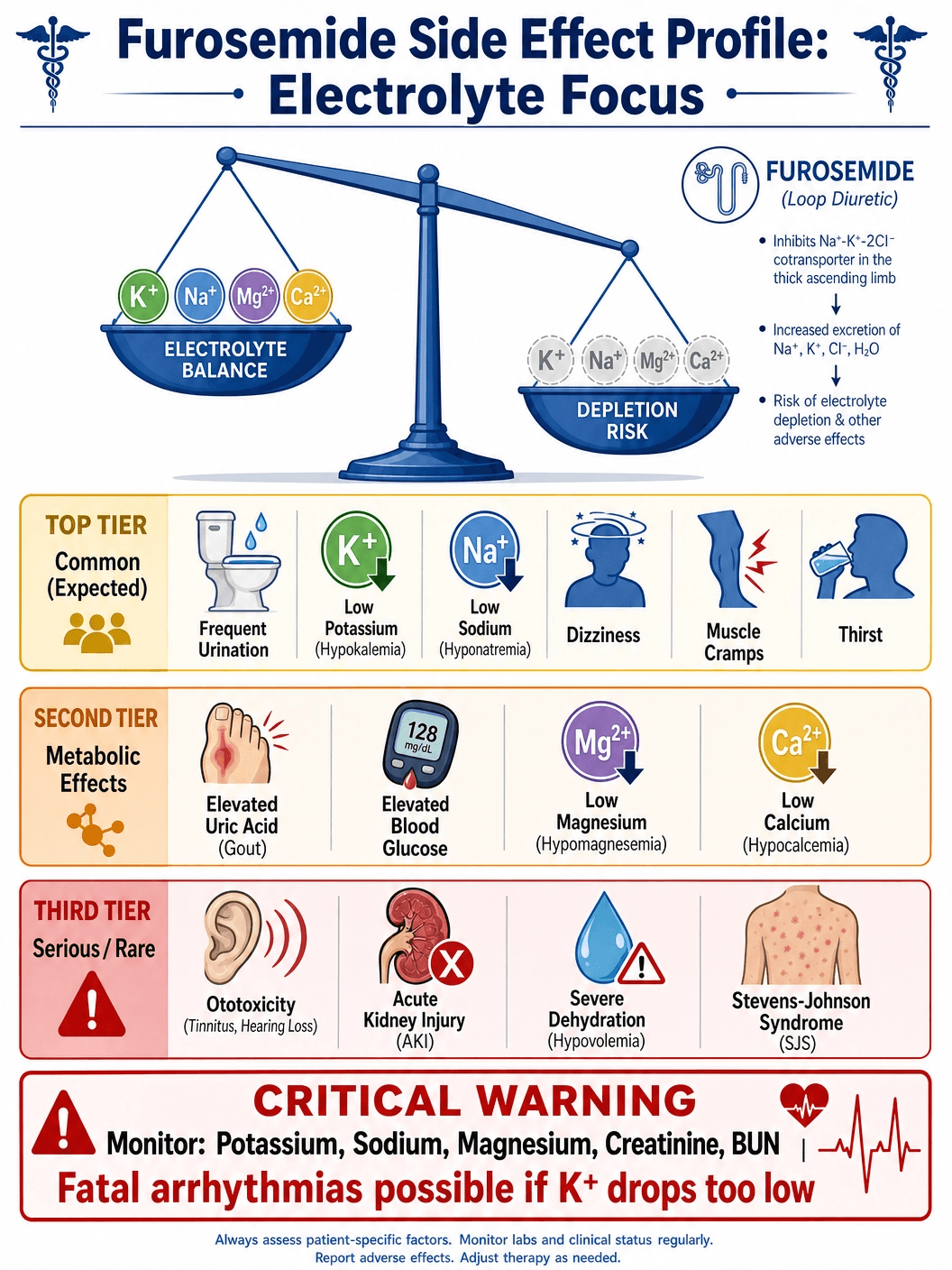
Electrolyte Depletion: This is the most common and potentially dangerous side effect. Lasix causes the profound loss of potassium (hypokalemia), magnesium (hypomagnesemia), sodium (hyponatremia), and calcium (hypocalcemia). Hypokalemia is particularly concerning, as low potassium can cause severe muscle cramps, weakness, and life-threatening cardiac arrhythmias. Most patients on chronic Lasix therapy require daily potassium supplements or a potassium-rich diet.
Dehydration and Hypotension: Excessive fluid loss can lead to severe dehydration, resulting in a dangerous drop in blood pressure (hypotension). Patients may experience dizziness, lightheadedness, or fainting, especially when standing up quickly (orthostatic hypotension).
Ototoxicity (Hearing Loss): A rare but serious side effect of loop diuretics is ototoxicity, which can manifest as ringing in the ears (tinnitus), vertigo, or temporary (and rarely, permanent) hearing loss. This is most commonly associated with very high doses, rapid intravenous administration, or concurrent use of other ototoxic drugs (like aminoglycoside antibiotics).
Metabolic Changes: Lasix can cause an increase in blood uric acid levels, potentially triggering gout attacks in susceptible individuals. It can also cause mild increases in blood glucose levels, requiring closer monitoring in diabetic patients.
Contraindications and Drug Interactions
Lasix is contraindicated in patients with anuria (complete inability to produce urine), as the drug cannot work if the kidneys are completely non-functional. It is also contraindicated in patients with a known hypersensitivity to furosemide or sulfonamides (though cross-reactivity with sulfa allergies is debated clinically).
Key Drug Interactions:
- Lithium: Lasix reduces the renal excretion of lithium, leading to a high risk of severe lithium toxicity.
- Digoxin: The hypokalemia caused by Lasix significantly increases the risk of fatal digoxin toxicity (arrhythmias) in heart failure patients taking both drugs.
- NSAIDs (e.g., Ibuprofen, Naproxen): Non-steroidal anti-inflammatory drugs can blunt the diuretic and antihypertensive effects of Lasix and increase the risk of acute kidney injury.
- Aminoglycoside Antibiotics (e.g., Gentamicin): Combining these with Lasix significantly increases the risk of permanent hearing loss (ototoxicity) and kidney damage.
Available Dosages and Administration Guidelines
Furosemide dosing is highly individualized based on the patient's condition, kidney function, and response to therapy. It is available in oral tablets, oral solutions, and intravenous/intramuscular injections.
20mg to 40mg (Standard Starting Dose for Edema)
For the initial treatment of edema in adults, the usual starting dose is 20 mg to 80 mg given as a single oral dose. If the diuretic response is not satisfactory, the dose may be increased by 20 mg or 40 mg increments every 6 to 8 hours until the desired fluid loss is achieved. Once the effective dose is determined, it is usually given once or twice daily.
80mg to 120mg (Severe Edema or Renal Impairment)
Patients with severe congestive heart failure or significant chronic kidney disease often require much higher doses to achieve a diuretic effect, as their kidneys are less responsive to the medication. Doses in this range are common, and some patients with severe renal failure may require oral doses up to 600 mg daily, though this requires strict medical supervision.
Hypertension Dosing
When used for high blood pressure, the starting dose is typically 40 mg twice a day. If blood pressure is not adequately controlled, other antihypertensive agents are usually added rather than continually increasing the Lasix dose.
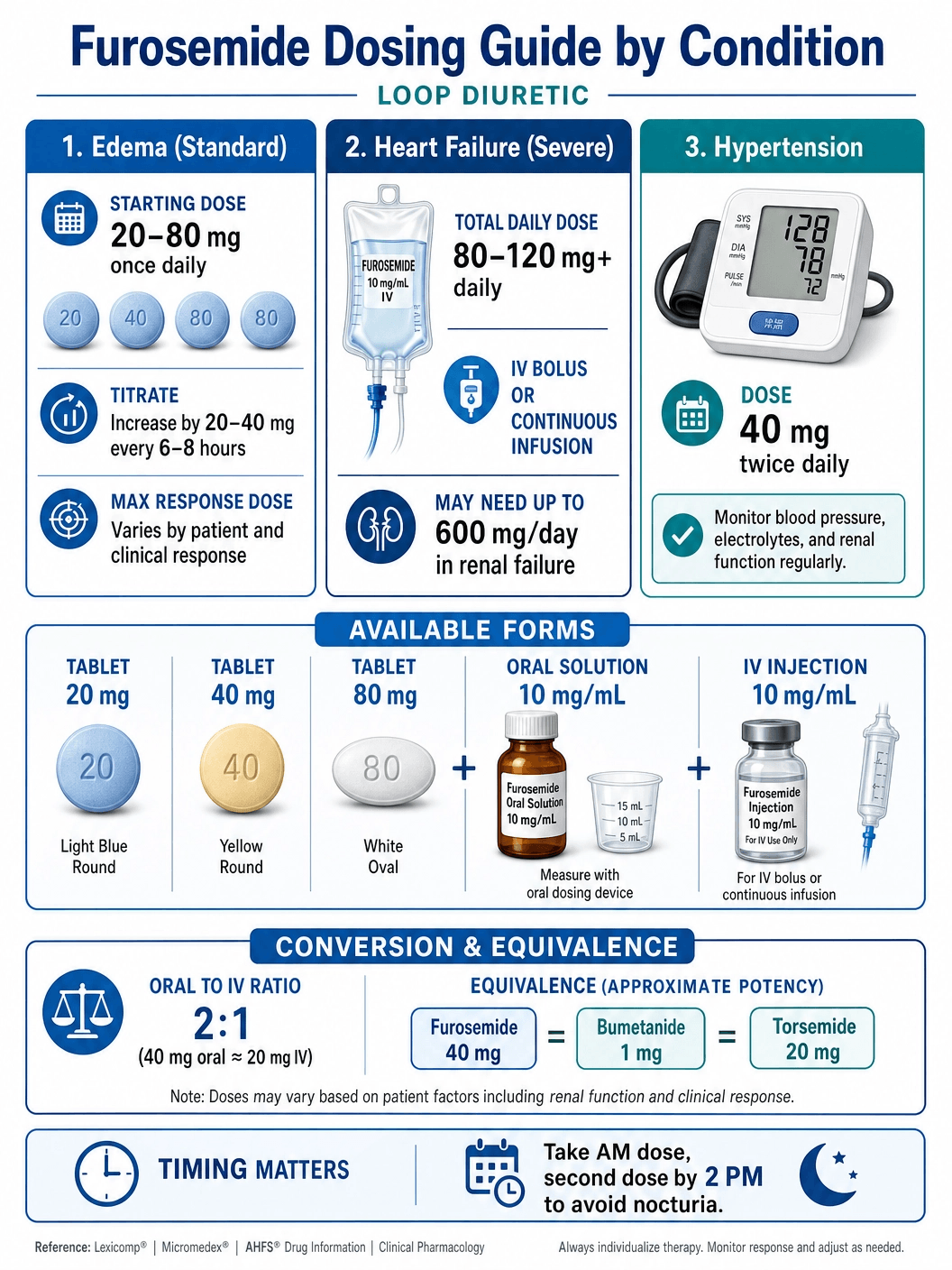
Generic vs. Brand Name Lasix
The patent for the original brand name Lasix, manufactured by Sanofi-Aventis, expired decades ago. Today, the vast majority of prescriptions are filled using the generic formulation, furosemide.
Bioequivalence and Efficacy: Generic furosemide is FDA-approved as bioequivalent to brand-name Lasix, meaning it delivers the same amount of active ingredient into the bloodstream at the same rate. For almost all patients, the generic is just as effective and safe as the brand name.
The Issue of Variable Absorption: One unique pharmacological quirk of oral furosemide (both brand and generic) is its highly variable bioavailability. Depending on the patient, anywhere from 10% to 90% of an oral dose is actually absorbed by the gut. Furthermore, in patients with severe heart failure, the gut wall itself becomes swollen (edematous), which further drastically reduces the absorption of oral furosemide. This is why patients who are stable on oral pills at home may suddenly require intravenous Lasix when they are hospitalized for a heart failure exacerbation.
Purchasing Lasix: Cost, Insurance, and Legal Acquisition
Furosemide is a prescription-only medication. Because it is a generic drug that has been on the market for over 50 years, it is incredibly inexpensive and accessible.
Cost and Insurance: Generic furosemide is covered by virtually all commercial insurance plans, Medicare Part D, and Medicaid. Even without insurance, the out-of-pocket cost for a 30-day supply of standard oral tablets is typically less than $10 at most major pharmacies. It is frequently included in pharmacy discount programs (such as $4 generic lists).
Legal Acquisition: Lasix must be prescribed by a licensed healthcare provider after a medical evaluation. It is illegal and highly dangerous to purchase diuretics from unverified online sources without a prescription, as improper use can lead to fatal electrolyte imbalances and severe dehydration.
The Role of Lasix in Sports and Anti-Doping
While Lasix is a life-saving medication in cardiology, it has a controversial history in the world of competitive sports and athletics.
Weight Cutting: In sports with strict weight classes (such as wrestling, boxing, mixed martial arts, and horse racing), athletes have historically abused Lasix to rapidly shed water weight just prior to a weigh-in. This practice is extremely dangerous, as competing in a state of severe dehydration and electrolyte depletion can lead to heat stroke, muscle tearing, and cardiac arrest.
Masking Agent: More significantly, the World Anti-Doping Agency (WADA) classifies furosemide and other diuretics as banned substances at all times (both in and out of competition). This is not because Lasix enhances performance—in fact, it usually degrades it—but because the massive volume of urine produced by the drug dilutes the urine sample, effectively 'masking' the presence of other banned performance-enhancing drugs (like anabolic steroids) and making them impossible to detect in standard doping tests.
Lasix in Veterinary Medicine
Furosemide is not only an essential medicine for humans but also a critical drug in veterinary cardiology. It is the most commonly prescribed diuretic for dogs and cats suffering from congestive heart failure, usually secondary to mitral valve disease or dilated cardiomyopathy. Just as in humans, it relieves pulmonary edema and improves the animal's ability to breathe. Furthermore, in the horse racing industry, Lasix is controversially administered to racehorses prior to a race to prevent Exercise-Induced Pulmonary Hemorrhage (EIPH), or bleeding in the lungs, though this practice is increasingly being regulated or banned in various jurisdictions.
Dietary Considerations While on Lasix
Patients taking chronic Lasix therapy must make specific dietary adjustments to ensure safety and efficacy.
Sodium Restriction: The entire purpose of Lasix is to rid the body of sodium and water. If a patient consumes a high-sodium diet (salty foods, processed meals), they will completely counteract the effects of the medication, leading to continued fluid retention. A strict low-sodium diet is mandatory for heart failure patients on diuretics.
Potassium Supplementation: Because Lasix aggressively depletes potassium, patients must actively replace it. Doctors will often prescribe prescription potassium chloride pills. Additionally, patients are encouraged to eat potassium-rich foods, such as bananas, oranges, spinach, potatoes, and tomatoes. However, patients who also have severe kidney disease must balance this carefully, as their kidneys may struggle to process excess potassium.
Monitoring and Patient Education
Successful management with Lasix requires active participation from the patient and regular monitoring by the healthcare team.
Daily Weights: The most effective way to monitor fluid status at home is by weighing oneself every single morning, after urinating, before eating, and wearing similar clothing. A sudden weight gain of 2 to 3 pounds in a day, or 5 pounds in a week, is a clear sign of fluid retention and indicates that the Lasix dose may need to be adjusted by the doctor.
Laboratory Monitoring: Patients require regular blood tests (Basic Metabolic Panel) to monitor their kidney function (BUN and Creatinine) and their electrolyte levels (Sodium, Potassium, Chloride, Calcium, Magnesium). The frequency of these tests depends on the severity of the illness and the dose of the medication.
Government and Regulatory Resources
For authoritative, up-to-date information regarding furosemide, safety warnings, and clinical guidelines, please consult the following official resources:
- FDA Prescribing Information for Lasix - The official label detailing indications, warnings, and clinical pharmacology.
- MedlinePlus: Furosemide - Patient-friendly drug information provided by the National Library of Medicine.
- NCBI StatPearls: Furosemide - A detailed clinical and pharmacological overview for healthcare professionals.
- American College of Cardiology: Diuretic Therapy Guidelines - Clinical guidelines for the use of diuretics in heart failure.
Editorial Review & Medical Sources
This guide is for informational purposes and does not constitute medical advice. Content is based on clinical data from the FDA, the American Heart Association (AHA), and the National Institutes of Health (NIH). Medical Reviewer: Dr. Sanjai Sinha, MD. Primary Sources: FDA Prescribing Information, StatPearls Clinical Database (NCBI).
The Pharmacokinetics of Furosemide
Understanding how the body processes furosemide is essential for predicting its effects and managing its dosing, especially in patients with compromised organ function.
Absorption: As mentioned earlier, the oral bioavailability of furosemide is notoriously erratic, ranging from 10% to 90% (averaging around 50% in healthy individuals). Food can significantly delay the absorption of oral furosemide, though it does not necessarily decrease the total amount absorbed. Therefore, it is generally recommended to take the medication consistently either with or without food to maintain a predictable response.
Distribution: Once in the bloodstream, furosemide is highly bound to plasma proteins, primarily albumin (over 90%). This high protein binding is crucial because it means the drug cannot be filtered into the urine through the glomerulus (the kidney's main filter). Instead, it must be actively secreted into the kidney tubules by specialized pumps in the proximal tubule. In patients with severe kidney disease, these pumps may be damaged or overwhelmed by other toxins, which is why much higher doses of furosemide are required to force enough drug into the tubules to exert an effect.
Metabolism and Excretion: Furosemide undergoes minimal metabolism in the liver. The vast majority of the drug (about 88%) is excreted unchanged in the urine. The elimination half-life of furosemide is relatively short, typically 1.5 to 2 hours in patients with normal kidney function. However, in patients with severe renal failure, the half-life can be prolonged to over 9 hours, necessitating careful dosing adjustments to prevent accumulation and toxicity.
Furosemide Resistance: When the Drug Stops Working
A major clinical challenge in the management of chronic heart failure is the development of diuretic resistance. This occurs when a patient who previously responded well to a specific dose of Lasix suddenly stops producing adequate urine, leading to a dangerous re-accumulation of fluid.
Causes of Resistance: Diuretic resistance is multifactorial. It can be caused by poor absorption due to gut edema, non-compliance with a low-sodium diet, or the concurrent use of NSAIDs. However, a primary physiological cause is a phenomenon known as the 'braking phenomenon' or distal tubular hypertrophy. When the Loop of Henle is constantly blocked by Lasix, the downstream segments of the kidney (the distal convoluted tubule) adapt by growing larger and increasing their capacity to reabsorb sodium. Essentially, the kidney fights back against the diuretic, reabsorbing the salt that the Lasix just forced out.
Overcoming Resistance: To overcome this, cardiologists employ several strategies. They may switch the patient from oral to intravenous Lasix to bypass gut absorption issues. They may switch to a different loop diuretic with more predictable absorption, such as torsemide or bumetanide. Most commonly, they will employ 'sequential nephron blockade' by adding a second diuretic from a different class, such as a thiazide (e.g., metolazone or hydrochlorothiazide), which blocks the downstream sodium reabsorption, effectively breaking the kidney's resistance.
Lasix vs. Torsemide and Bumetanide
While furosemide is the oldest and most widely used loop diuretic, it is not the only one. Torsemide (Demadex) and bumetanide (Bumex) are newer loop diuretics that offer distinct pharmacological advantages in certain clinical scenarios.
Bioavailability: The most significant difference is absorption. While furosemide's oral bioavailability is highly variable (10-90%), both torsemide and bumetanide have excellent, highly predictable oral bioavailability (80-100%). This means that an oral dose of torsemide is almost as effective as an intravenous dose, making it much more reliable for outpatient management of severe heart failure.
Duration of Action: Torsemide has a longer half-life and duration of action compared to furosemide. While Lasix typically requires twice-daily dosing to prevent rebound sodium retention, torsemide can often be dosed once daily, improving patient compliance.
Potency: Bumetanide is significantly more potent than furosemide on a milligram-per-milligram basis (1 mg of bumetanide is roughly equivalent to 40 mg of furosemide). However, increased potency does not necessarily mean increased maximum efficacy; it simply means a smaller physical pill is required.
The History and Discovery of Furosemide
The discovery of furosemide in the early 1960s marked a watershed moment in the treatment of edematous conditions. Prior to its introduction, the available diuretics (such as mercurial diuretics and early thiazides) were either highly toxic, poorly tolerated, or simply not powerful enough to manage severe congestive heart failure.
Furosemide was synthesized by researchers at the German pharmaceutical company Hoechst (now part of Sanofi). It was derived from the sulfonamide chemical structure, building upon earlier research into the diuretic properties of sulfa drugs. When it was introduced into clinical practice in 1964, its profound, rapid, and high-ceiling diuretic effect was revolutionary. It allowed physicians to rapidly pull patients out of acute pulmonary edema, transforming a frequently fatal emergency into a manageable condition. Its impact on cardiology and nephrology was so profound that it quickly became the gold standard for fluid management, a position it still holds over half a century later.
Lasix in Pregnancy and Breastfeeding
The use of Lasix during pregnancy requires careful consideration of the risks versus the benefits. It is classified as FDA Pregnancy Category C.
Pregnancy: Furosemide does cross the placental barrier. While it is not considered a major teratogen (it does not typically cause structural birth defects), its use during pregnancy is generally avoided unless absolutely necessary. The primary concern is that aggressive diuresis can reduce maternal blood volume, which in turn decreases blood flow to the placenta, potentially restricting fetal growth. It is generally reserved for pregnant women with severe heart failure or severe renal disease where the mother's life is at risk.
Breastfeeding: Furosemide is excreted into human breast milk. Furthermore, because it is a potent diuretic, it can significantly decrease or completely suppress lactation (milk production). Therefore, breastfeeding is generally not recommended while taking Lasix, and alternative feeding methods should be discussed with a pediatrician.
The Psychological Impact of Chronic Diuretic Therapy
While the physical benefits of Lasix are obvious, the psychological and lifestyle impacts of chronic loop diuretic therapy are often overlooked but deeply affect patient quality of life.
Urinary Urgency and Frequency: The most immediate impact is the profound increase in urinary frequency and urgency. Patients taking Lasix often need to stay close to a restroom for several hours after taking their dose. This can lead to significant anxiety, social isolation, and a reluctance to leave the house, travel, or participate in social events. Many patients intentionally skip doses (non-compliance) when they have social engagements, which can lead to dangerous fluid accumulation.
Sleep Disruption: If Lasix is taken too late in the day, the resulting nocturia (waking up multiple times at night to urinate) severely disrupts sleep architecture. Chronic sleep deprivation exacerbates the fatigue already associated with heart failure and can contribute to depression and cognitive decline. This is why doctors strongly advise taking the final dose of the day no later than mid-afternoon.
Furosemide and the Elderly Patient
Prescribing Lasix to the geriatric population requires extreme caution and meticulous monitoring, as older adults are significantly more vulnerable to the adverse effects of aggressive diuresis.
Increased Sensitivity to Volume Depletion: Elderly patients naturally have a decreased total body water percentage and a blunted thirst mechanism. When Lasix induces rapid fluid loss, older adults are at a much higher risk of developing severe dehydration, acute kidney injury (prerenal azotemia), and dangerous drops in blood pressure. Orthostatic hypotension (blood pressure dropping when standing up) is particularly hazardous, as it is a leading cause of falls, which can result in devastating hip fractures or traumatic brain injuries.
Polypharmacy and Drug Interactions: Older adults frequently take multiple medications (polypharmacy), increasing the risk of dangerous drug interactions. The combination of Lasix with ACE inhibitors or ARBs (common blood pressure medications) and NSAIDs (like ibuprofen for arthritis) creates a 'triple whammy' effect that can rapidly shut down kidney function. Furthermore, the hypokalemia caused by Lasix is particularly dangerous in elderly patients who are also taking digoxin for atrial fibrillation, as it drastically increases the risk of fatal digoxin toxicity.
Cognitive Impairment: Severe electrolyte imbalances (particularly hyponatremia, or low sodium) induced by Lasix can present as acute confusion, delirium, or lethargy in the elderly, which is often misdiagnosed as worsening dementia or Alzheimer's disease. Careful monitoring of basic metabolic panels is essential to differentiate between medication side effects and neurological decline.
The Role of Lasix in Managing Ascites
Ascites, the pathological accumulation of fluid in the peritoneal (abdominal) cavity, is a hallmark complication of severe liver cirrhosis. Managing this condition requires a nuanced approach to diuretic therapy, where Lasix plays a supporting but crucial role.
The Aldosterone Connection: In cirrhosis, the diseased liver fails to metabolize aldosterone, a hormone that causes the kidneys to retain sodium and water. Therefore, the first-line diuretic for ascites is spironolactone, an aldosterone antagonist. However, spironolactone is slow-acting and sometimes insufficient on its own.
Combination Therapy: Lasix is frequently added to spironolactone to create a powerful, synergistic diuretic effect. The standard protocol often involves a specific ratio: 40 mg of Lasix for every 100 mg of spironolactone. This ratio is carefully chosen not only to maximize fluid removal but also to balance potassium levels. Spironolactone causes the body to retain potassium (hyperkalemia), while Lasix causes the body to excrete it (hypokalemia). When used in this specific ratio, the two drugs often cancel out each other's potassium-altering effects, maintaining a stable electrolyte balance while effectively draining the ascitic fluid.
Intravenous Lasix: Bolus vs. Continuous Infusion
In the hospital setting, particularly in the Intensive Care Unit (ICU) for patients with acute decompensated heart failure, the method of administering intravenous Lasix is a subject of significant clinical debate and research.
The Bolus Approach: Traditionally, IV Lasix is given as a 'bolus'—a large dose injected rapidly every 12 hours. While effective, this approach causes a massive, immediate spike in urine output, followed by a period where the drug wears off and the kidneys begin aggressively retaining sodium again (post-diuretic sodium retention). This 'peaks and valleys' effect can cause significant swings in blood pressure and intravascular volume.
Continuous Infusion: An alternative approach is to administer Lasix as a continuous, slow intravenous drip over 24 hours. Proponents argue that this maintains a steady, constant level of the drug in the kidneys, preventing the rebound sodium retention and providing a smoother, more controlled fluid removal without the drastic drops in blood pressure associated with bolus dosing. While large clinical trials (such as the DOSE trial) have shown that both methods are generally equivalent in terms of overall symptom relief and total fluid removed, continuous infusion is often preferred for patients who are highly resistant to bolus dosing or who have very unstable blood pressure.
Lasix and the Risk of Gout
A frequently overlooked metabolic side effect of chronic Lasix therapy is its impact on uric acid levels, which can have painful consequences for susceptible patients.
Hyperuricemia: Furosemide, like all loop and thiazide diuretics, decreases the kidney's ability to excrete uric acid. It does this by competing with uric acid for the same secretory transporters in the proximal tubule of the kidney. As a result, uric acid builds up in the bloodstream, a condition known as hyperuricemia.
Precipitating Gout Attacks: In patients with a history of gout, or those genetically predisposed to it, this elevated uric acid can crystallize in the joints (most commonly the big toe), triggering an excruciatingly painful acute gout flare. Patients on chronic Lasix who develop sudden, severe joint pain, redness, and swelling must be evaluated for gout. If gout occurs, the physician must carefully weigh the necessity of the diuretic against the pain of the gout, often requiring the addition of uric acid-lowering medications (like allopurinol) to the patient's regimen rather than stopping the life-saving Lasix.
Lasix and the Management of Hypercalcemia
While Lasix is primarily known for its role in managing sodium and water, its profound effect on calcium excretion makes it a valuable tool in the emergency management of severe hypercalcemia (dangerously high blood calcium levels).
The Mechanism of Calcium Excretion: In the thick ascending limb of the Loop of Henle, the reabsorption of sodium and chloride creates a positive electrical charge in the tubule lumen. This positive charge normally drives the passive reabsorption of calcium and magnesium back into the bloodstream. By blocking the Na-K-2Cl cotransporter, Lasix eliminates this positive charge, effectively halting the reabsorption of calcium and forcing it to be excreted in the urine.
Clinical Application: Severe hypercalcemia, often caused by malignancies (cancer) or hyperparathyroidism, is a medical emergency that can lead to coma and cardiac arrest. The first line of treatment is always aggressive intravenous hydration with normal saline to restore intravascular volume. Once the patient is fully hydrated, intravenous Lasix is administered to force the kidneys to rapidly dump the excess calcium. It is absolutely critical that the patient is fully hydrated before giving Lasix; if Lasix is given to a dehydrated patient, it will worsen the dehydration and actually cause the calcium levels to rise further.
The Impact of Lasix on Blood Glucose and Diabetes
Patients with diabetes who are prescribed Lasix require careful monitoring, as the medication can subtly but significantly impact glycemic control.
Hyperglycemia and Insulin Resistance: Furosemide, like thiazide diuretics, has been associated with an increase in fasting blood glucose levels and a decrease in glucose tolerance. The exact mechanism is not entirely understood, but it is believed to be related to the hypokalemia (low potassium) induced by the drug. Potassium is required for the pancreas to properly secrete insulin. When potassium levels drop, insulin secretion is impaired, leading to higher blood sugar levels. Additionally, the sympathetic nervous system activation caused by volume depletion can increase insulin resistance in the peripheral tissues.
Clinical Management: For most patients, this increase in blood sugar is mild and clinically insignificant. However, in patients with pre-existing diabetes or pre-diabetes, starting Lasix may necessitate an adjustment in their oral hypoglycemic medications or insulin doses. Physicians must closely monitor hemoglobin A1c levels and ensure that potassium levels are aggressively maintained in the normal range to minimize this diabetogenic effect.
Lasix Quick View
| Active Ingredient | Furosemide |
|---|---|
| Manufacturer | Sanofi-Aventis (Brand) / Various (Generic) |
| Type | Loop Diuretic |
| Onset | Oral: 30-60 minutes. IV: 5 minutes. |
| Duration | Oral: 6-8 hours ('La-six'). IV: 2 hours. |
| Food Interaction | Food delays absorption but does not significantly reduce total amount absorbed. Take consistently with or without food. |
| Alcohol | Avoid. Alcohol increases the risk of severe dehydration and orthostatic hypotension (dizziness when standing). |
| Prescription | Required |
Lasix Side Effects
Common Side Effects
- Increased urinary frequency and urgency.
- Electrolyte depletion (low potassium, sodium, magnesium).
- Dizziness or lightheadedness upon standing (orthostatic hypotension).
Uncommon Side Effects
- Muscle cramps (usually due to low potassium).
- Increased blood uric acid levels (can trigger gout).
- Mild increases in blood glucose levels.
Rare Side Effects
- Ototoxicity (ringing in ears or hearing loss, usually with high IV doses).
- Severe dehydration leading to acute kidney injury.
- Severe allergic skin reactions (Stevens-Johnson Syndrome).
Important Warning: CRITICAL ELECTROLYTE WARNING: Lasix causes profound depletion of water and electrolytes, particularly potassium. Severe hypokalemia can lead to fatal cardiac arrhythmias. Regular blood tests and potassium supplementation are often mandatory.
More Information About Lasix
Storage
Store at room temperature away from light and moisture. Keep out of reach of children.
Contraindications
Anuria (inability to produce urine), severe electrolyte depletion, hepatic coma, known hypersensitivity to furosemide.
Drug Interactions
Dangerous interactions with Lithium (toxicity), Digoxin (arrhythmias if potassium is low), NSAIDs (kidney damage), and Aminoglycoside antibiotics (hearing loss).
Lasix FAQs
Lasix forces your kidneys to excrete large amounts of potassium along with water. Low potassium (hypokalemia) is very dangerous and can cause severe muscle cramps and life-threatening irregular heartbeats. The pills replace what you lose.
It is usually best to take it in the morning. If you take it twice a day, take the second dose no later than mid-afternoon (around 2 PM or 3 PM). Taking it in the evening will cause you to wake up multiple times at night to urinate, disrupting your sleep.
No, do not stop taking it without consulting your doctor. In conditions like heart failure, the swelling will quickly return if you stop the medication. It is a maintenance drug, not a cure.
Lasix reduces the volume of fluid in your blood vessels, which lowers your blood pressure. When you stand up quickly, gravity pulls blood to your legs, and your body may not adjust fast enough, causing dizziness (orthostatic hypotension). Stand up slowly to prevent this.
Daily weights are the best way to monitor fluid retention at home. A sudden weight gain of 2-3 pounds in a day or 5 pounds in a week means you are retaining fluid, and your doctor may need to adjust your Lasix dose.
Written and Reviewed by Our Qualified Team

Find out more about our medical content authors and how we ensure the accuracy of our content.
Content last updated: 21 May 2026
Lasix Reviews
Based on 99 reviews
Lasix has been a game-changer for managing my fluid retention; I feel so much lighter and more comfortable throughout the day.
I’ve struggled with edema for years, and since starting Lasix, the swelling has reduced significantly. Highly recommend it for anyone dealing with similar issues.
My doctor prescribed Lasix for my high blood pressure and fluid buildup, and it’s been very effective with minimal side effects.
After just a few days on Lasix, the persistent swelling in my legs went down noticeably. It really works well for edema.
Lasix helped me control my blood pressure and reduce excess fluid quickly. I’ve noticed a big improvement in my overall health.
I was skeptical at first, but Lasix truly relieved my fluid retention problems. It’s made a huge difference in my daily comfort.
Managing edema has become much easier since I started taking Lasix. The medication works fast and keeps the swelling at bay.
Lasix has helped me get my blood pressure under control while also reducing the uncomfortable buildup of fluid.
I’ve been on Lasix for a few months now, and it’s been very effective in treating my edema without causing any major side effects.
Thanks to Lasix, the fluid retention I was experiencing is now well managed. I feel more energetic and healthier overall.
Lasix has been a game changer for my edema; I noticed a significant reduction in swelling within days of starting it.
I've been on Lasix for a few months now, and it effectively controls my high blood pressure without many side effects.
This medication really helped me manage fluid retention after my surgery, and I feel much more comfortable now.
Lasix works fast and effectively for my leg swelling, making daily activities much easier.
My doctor prescribed Lasix for my congestive heart failure, and it has noticeably improved my symptoms.
I have struggled with fluid buildup for years, and Lasix has been one of the few meds that truly helps.
Taking Lasix has helped me maintain a healthy blood pressure and reduced the puffiness I used to have.
I’m very satisfied with Lasix; it has controlled my edema and made a big difference in my quality of life.
Lasix helped me get rid of excess water weight quickly and safely under my doctor’s supervision.
After starting Lasix, my blood pressure readings are much more stable, and the swelling in my ankles has gone down.
Lasix has been a game-changer for managing my fluid retention; I feel so much lighter and more comfortable throughout the day.
I've struggled with edema for years, and since starting Lasix, the swelling in my legs has significantly reduced—highly recommend!
My doctor prescribed Lasix for high blood pressure, and it has really helped keep my numbers in check without too many side effects.
After just a few days of taking Lasix, the persistent bloating and swelling I had been experiencing went down noticeably.
Lasix worked quickly and effectively to reduce my fluid buildup, making it easier to stay active and pain-free.
I was skeptical at first, but Lasix has truly improved my quality of life by controlling my edema and helping with my blood pressure.
This medication helped me manage my symptoms of fluid retention better than any other treatment I've tried.
Lasix makes a noticeable difference in reducing swelling and has been an essential part of my treatment plan.
Thanks to Lasix, my blood pressure is more stable, and the fluid retention that used to cause discomfort is now minimal.
I appreciate how well Lasix controls my edema; it’s given me back my mobility and comfort after months of swelling.
Lasix has been a game-changer for managing my fluid retention; I feel so much lighter and more comfortable throughout the day.
I've been using Lasix for edema, and it works quickly to reduce swelling. Definitely recommend it for anyone struggling with water retention.
After starting Lasix, my blood pressure has stabilized remarkably well. It's been an effective part of my treatment plan.
I was skeptical at first, but Lasix really helped with my leg swelling. The results were noticeable within a few days.
Lasix controls my high blood pressure and reduces the buildup of excess fluid. It's been very reliable for me.
This medication has significantly helped ease my discomfort caused by edema. I appreciate how fast it works.
Lasix is effective and has helped me manage my symptoms of fluid retention without major side effects.
I’ve noticed a real improvement in my swelling and overall comfort since I began taking Lasix.
For anyone dealing with high blood pressure and edema, Lasix is a solid choice that provides consistent results.
Lasix helped me reduce the puffiness and swelling in my ankles; it's an essential part of my daily routine now.
Lasix has been a game-changer for managing my fluid retention; I feel so much lighter and more comfortable throughout the day.
After starting Lasix, my edema reduced significantly within a week. Highly recommend it for anyone struggling with swelling.
I’ve been using Lasix for high blood pressure and fluid buildup, and it works very effectively with minimal side effects.
This medication helped me get rid of the persistent swelling in my legs. It’s fast-acting and reliable.
Lasix really helped control my blood pressure and reduced the puffiness caused by fluid retention. Very satisfied with the results.
I was skeptical at first, but Lasix worked wonders for my edema. I noticed a big difference within days.
Managing my congestive heart failure symptoms became easier with Lasix; it keeps the excess fluid in check.
Lasix effectively reduced my ankle swelling, and I feel more energetic and comfortable than before.
Great medication for fluid retention! Lasix made a noticeable difference in my overall comfort and mobility.
I’ve tried several diuretics, but Lasix stands out for its quick and lasting relief from edema and high blood pressure.
Lasix has been a game-changer for managing my fluid retention; I feel so much lighter and more comfortable throughout the day.
After starting Lasix, my edema has significantly reduced, and I finally feel relief from the constant swelling in my legs.
I’ve been using Lasix for high blood pressure and fluid buildup, and it works quickly and effectively without causing major side effects.
This medication helped control my water retention better than any other diuretic I tried, and the results were noticeable within a few days.
Lasix has effectively reduced my swelling and improved my overall comfort, making daily activities much easier to handle.
Since using Lasix, my blood pressure has stabilized, and the associated fluid retention has gone down considerably.
I was skeptical at first, but Lasix really helped with my edema and made a big difference in how I feel each day.
The relief from fluid retention I got after starting Lasix was almost immediate, and my doctor is pleased with my progress.
Lasix is reliable and fast-acting for reducing excess fluid, which has improved my quality of life dramatically.
Taking Lasix has helped me manage both my high blood pressure and the uncomfortable swelling, and I’m very satisfied with the results.
Lasix has been a game changer for my edema, really helped reduce swelling quickly and effectively.
I’ve been using Lasix for fluid retention and it works wonders, my legs feel so much lighter now.
After starting Lasix, my blood pressure has been much easier to manage, highly recommend it.
This medication really helped with my water retention, I noticed a difference within days.
Lasix effectively controlled my edema, and I experienced minimal side effects, very satisfied.
Using Lasix for high blood pressure has made a noticeable improvement in my daily health.
I was struggling with fluid buildup, and Lasix helped clear it up almost immediately.
Lasix is very effective for reducing swelling caused by fluid retention, it’s been a relief.
My doctor prescribed Lasix for my edema, and it’s been working great to manage the symptoms.
I’ve been on Lasix for a few weeks now, and my blood pressure and swelling are both much better.
Lasix has been a game-changer for my edema; I noticed significant reduction in swelling within days and feel much more comfortable.
I've struggled with high blood pressure for years, and Lasix has helped me keep it under control with minimal side effects.
After starting Lasix, my fluid retention issues improved dramatically, making daily activities much easier for me.
This medication works fast and effectively for my leg swelling, and I haven’t experienced any major issues so far.
Lasix helped me manage my congestive heart failure symptoms by reducing excess fluid; highly recommend it to those dealing with edema.
I was skeptical at first, but Lasix really helped lower my blood pressure and reduced the puffiness I had around my ankles.
My doctor prescribed Lasix for my fluid retention, and it has worked wonders; I feel lighter and more energetic now.
Using Lasix has significantly improved my quality of life by controlling my edema and preventing uncomfortable bloating.
I’ve been on Lasix for several months, and it consistently helps reduce the swelling in my feet and ankles without causing dizziness.
Lasix is an effective diuretic that controlled my high blood pressure and relieved my fluid buildup; I’m very satisfied with the results.
Lasix has been a game-changer for managing my fluid retention; I feel so much lighter and more comfortable throughout the day.
I've been using Lasix for my edema, and it works quickly to reduce swelling. Highly recommend it for anyone struggling with water retention.
After starting Lasix, my blood pressure has stabilized significantly, and the edema in my legs has gone down noticeably.
Lasix effectively helped me get rid of the excess fluid buildup after surgery, making recovery much easier.
This medication worked fast to reduce the swelling in my ankles, and I experienced minimal side effects.
My doctor prescribed Lasix for high blood pressure and fluid retention, and it has been very effective with consistent use.
I noticed a big difference in my edema symptoms within days of taking Lasix; it really helps control the swelling.
Lasix helped me manage my congestive heart failure symptoms by reducing fluid accumulation efficiently.
I’ve tried other diuretics before, but Lasix provides the best relief for my fluid retention issues.
Thanks to Lasix, my blood pressure is under control and the puffiness around my legs has almost disappeared.
Lasix has been a game changer for managing my edema; I noticed significant improvement within days and feel much more comfortable overall.
I've struggled with fluid retention for years, and Lasix really helps reduce the swelling quickly. Highly recommend it for anyone dealing with similar issues.
After starting Lasix, my blood pressure has been much more controlled, and the fluid retention in my legs has decreased noticeably.
This medication works effectively to relieve my edema symptoms without causing unpleasant side effects. Definitely a 5-star for me.
Lasix helped me get rid of excess water weight and controlled my high blood pressure better than any other medication I've tried.
I was skeptical at first, but Lasix has really improved my quality of life by managing my fluid buildup and lowering my blood pressure.
The diuretic effect of Lasix is strong but manageable, and it has significantly reduced my swelling and made daily activities easier.
Since using Lasix, the puffiness in my ankles has gone down considerably, and my doctor says my blood pressure readings are much healthier.
Lasix is efficient and fast-acting for my edema caused by heart issues, and I appreciate how it's helped reduce my discomfort.
Leave a Review
How Does It Work?
Research
Read our comprehensive review to understand the medication
Consult Your Doctor
Discuss the medication with your healthcare provider
Get Your Prescription
Obtain a valid prescription from your doctor