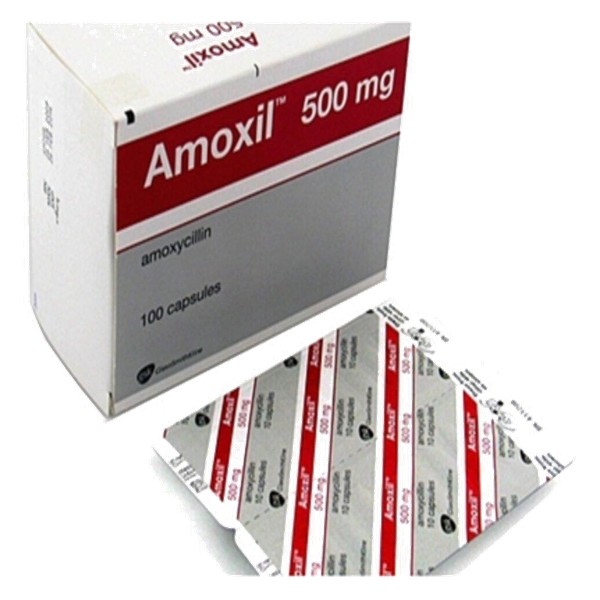
Amoxil (Amoxil, Trimox, Moxatag)
General Health Treatment
The definitive medical guide to Amoxil (Amoxicillin): clinical applications for bacterial infections, pediatric dosing, side effect management, and the fight against antibiotic resistance.
 PharmacyChecker
 Amazon Pharmacy
 Blink Health
 GoodRx
 Costco Pharmacy
Table of Contents
Amoxil Product Information
What is Amoxil (Amoxicillin)?
Amoxil, universally known by its generic name amoxicillin, is one of the most widely prescribed, essential, and recognizable antibiotics in modern medicine. Belonging to the aminopenicillin class of the broader beta-lactam family of antibiotics, it is a moderate-spectrum, bactericidal agent. This means it does not merely stop bacteria from reproducing; it actively kills them. Since its development in the early 1970s as an improvement over the original penicillin and ampicillin, amoxicillin has become a cornerstone of both pediatric and adult medicine due to its excellent absorption, broad efficacy against common pathogens, and generally favorable safety profile.
The mechanism of action of amoxicillin is a classic example of targeted bacterial destruction. Like all beta-lactam antibiotics, amoxicillin targets the bacterial cell wall—a vital structure that human cells do not possess. The bacterial cell wall is made of a rigid, mesh-like polymer called peptidoglycan, which protects the bacteria from bursting due to internal osmotic pressure. To build and maintain this wall, bacteria rely on specific enzymes known as penicillin-binding proteins (PBPs), specifically transpeptidases, which cross-link the peptidoglycan strands.
Amoxicillin's chemical structure includes a beta-lactam ring that closely mimics the natural building blocks of the bacterial cell wall. When amoxicillin is introduced, it binds irreversibly to the active site of these PBPs. This binding completely halts the cross-linking process, halting cell wall synthesis. However, the bacteria continue to produce enzymes called autolysins that naturally break down the cell wall during normal growth. With synthesis stopped but degradation continuing, the cell wall rapidly weakens, leading to cell lysis (bursting) and the death of the susceptible bacteria.
Amoxicillin is highly effective against a wide range of Gram-positive bacteria (such as Streptococcus pneumoniae and Enterococcus faecalis) and a limited but important selection of Gram-negative bacteria (such as Haemophilus influenzae and Helicobacter pylori). However, it is inherently vulnerable to destruction by beta-lactamase enzymes produced by certain resistant bacteria, which is why it is sometimes combined with clavulanate potassium (as in the drug Augmentin) to protect it from these enzymes.
FDA-Approved Uses and Clinical Indications
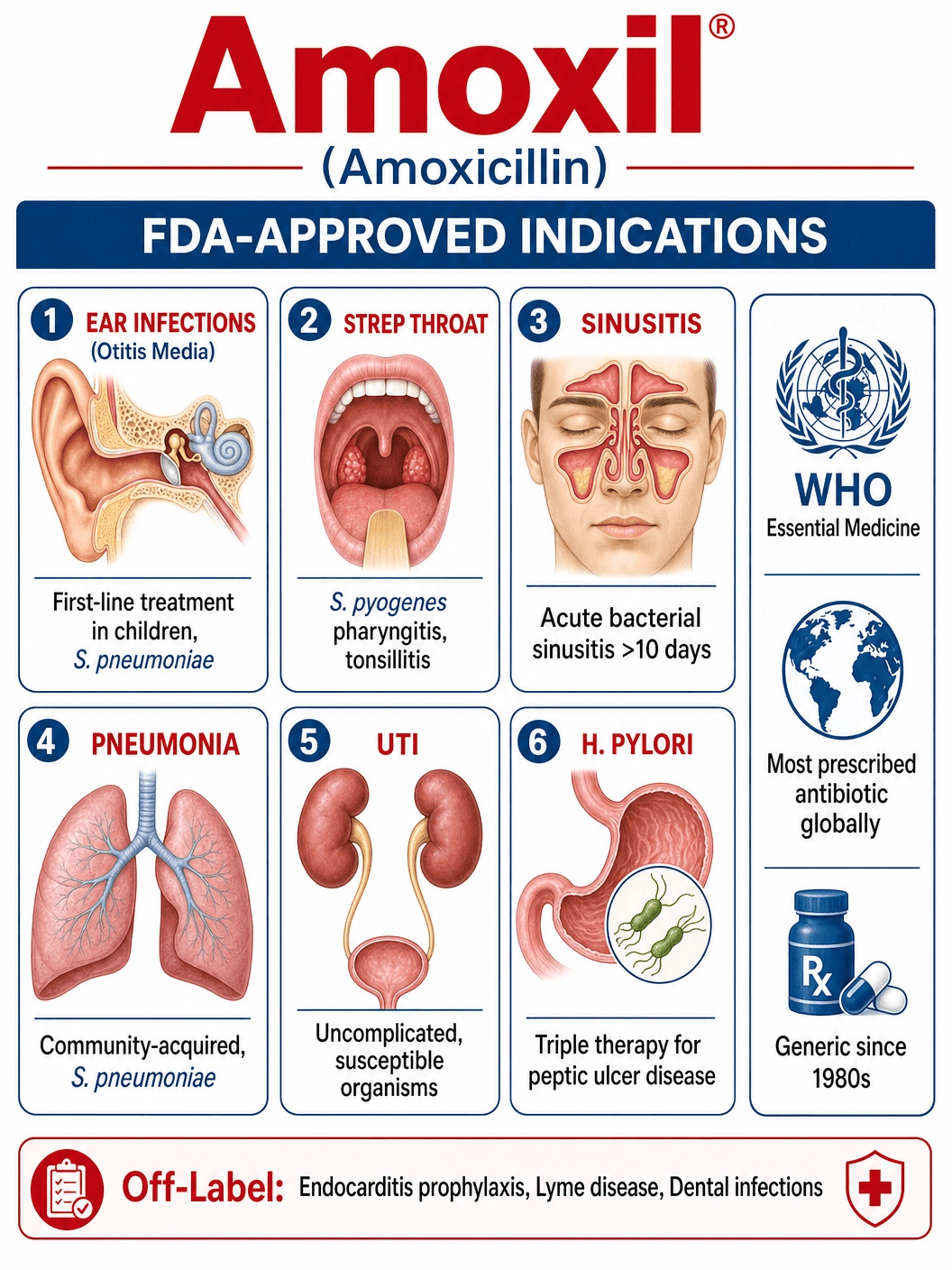
The FDA has approved Amoxil (amoxicillin) for the treatment of a wide array of common bacterial infections. Its excellent oral bioavailability makes it a preferred first-line choice for many outpatient treatments.
Ear, Nose, and Throat Infections: Amoxicillin is the undisputed first-line treatment for acute otitis media (middle ear infections), which are incredibly common in children. It is also highly effective for streptococcal pharyngitis (strep throat) and tonsillitis caused by Streptococcus pyogenes. Furthermore, it is frequently prescribed for acute bacterial sinusitis, particularly when symptoms have persisted for more than 10 days or are severe.
Lower Respiratory Tract Infections: For infections of the lungs and airways, amoxicillin is a critical therapeutic tool. It is a standard treatment for community-acquired pneumonia (CAP), particularly when caused by Streptococcus pneumoniae. It is also used to treat acute exacerbations of chronic bronchitis, helping to clear the bacterial infection and reduce airway inflammation.
Genitourinary Tract Infections: Amoxicillin is effective against certain uncomplicated urinary tract infections (UTIs), though rising resistance rates among E. coli have made it less commonly used as a first-line agent for UTIs compared to other antibiotics. However, it remains a valuable option when urine cultures confirm that the infecting bacteria are susceptible to amoxicillin.
Skin and Skin Structure Infections: While not typically the first choice for severe skin infections (where staphylococcal coverage is paramount), amoxicillin can be used to treat minor skin infections, such as certain types of cellulitis or infected animal bites, provided the infecting organism is susceptible.
Helicobacter pylori Eradication: H. pylori is a bacterium that colonizes the stomach lining and is the primary cause of peptic ulcer disease and a major risk factor for gastric cancer. Amoxicillin is a core component of 'triple therapy' or 'quadruple therapy' regimens used to eradicate H. pylori. In these regimens, it is combined with a proton pump inhibitor (like omeprazole) to reduce stomach acid and another antibiotic (like clarithromycin or metronidazole) to ensure complete eradication of the bacteria.
Off-Label Uses and Prophylactic Applications
Beyond its primary FDA-approved indications, amoxicillin is frequently utilized in specific clinical scenarios based on established medical guidelines and expert consensus.
Endocarditis Prophylaxis: Infective endocarditis is a rare but life-threatening infection of the heart valves. Certain dental procedures (like extractions or deep cleanings) can introduce bacteria from the mouth into the bloodstream, which can then settle on vulnerable heart valves. For patients with specific high-risk cardiac conditions (such as prosthetic heart valves, a history of previous endocarditis, or certain congenital heart defects), the American Heart Association strongly recommends a single, large prophylactic dose of amoxicillin taken one hour before the dental procedure to prevent this devastating infection.
Lyme Disease (Early Stage): Lyme disease is a tick-borne illness caused by the bacterium Borrelia burgdorferi. While doxycycline is the most common treatment, amoxicillin is a highly effective, first-line alternative for treating early localized Lyme disease (characterized by the classic 'bullseye' rash), particularly in pregnant women, nursing mothers, and young children under the age of 8, for whom doxycycline is generally contraindicated due to the risk of permanent tooth discoloration.
Anthrax (Cutaneous and Mild Systemic): Similar to Lyme disease, amoxicillin is considered an effective alternative treatment for certain presentations of anthrax, particularly in pediatric and pregnant populations where other first-line agents (like ciprofloxacin or fluoroquinolones) might pose unacceptable risks.
Understanding Side Effects and Serious Risks
Amoxicillin is generally well-tolerated by the vast majority of patients, which contributes to its status as a first-line antibiotic. However, like all medications, it can cause side effects, ranging from mild gastrointestinal upset to severe, life-threatening allergic reactions.
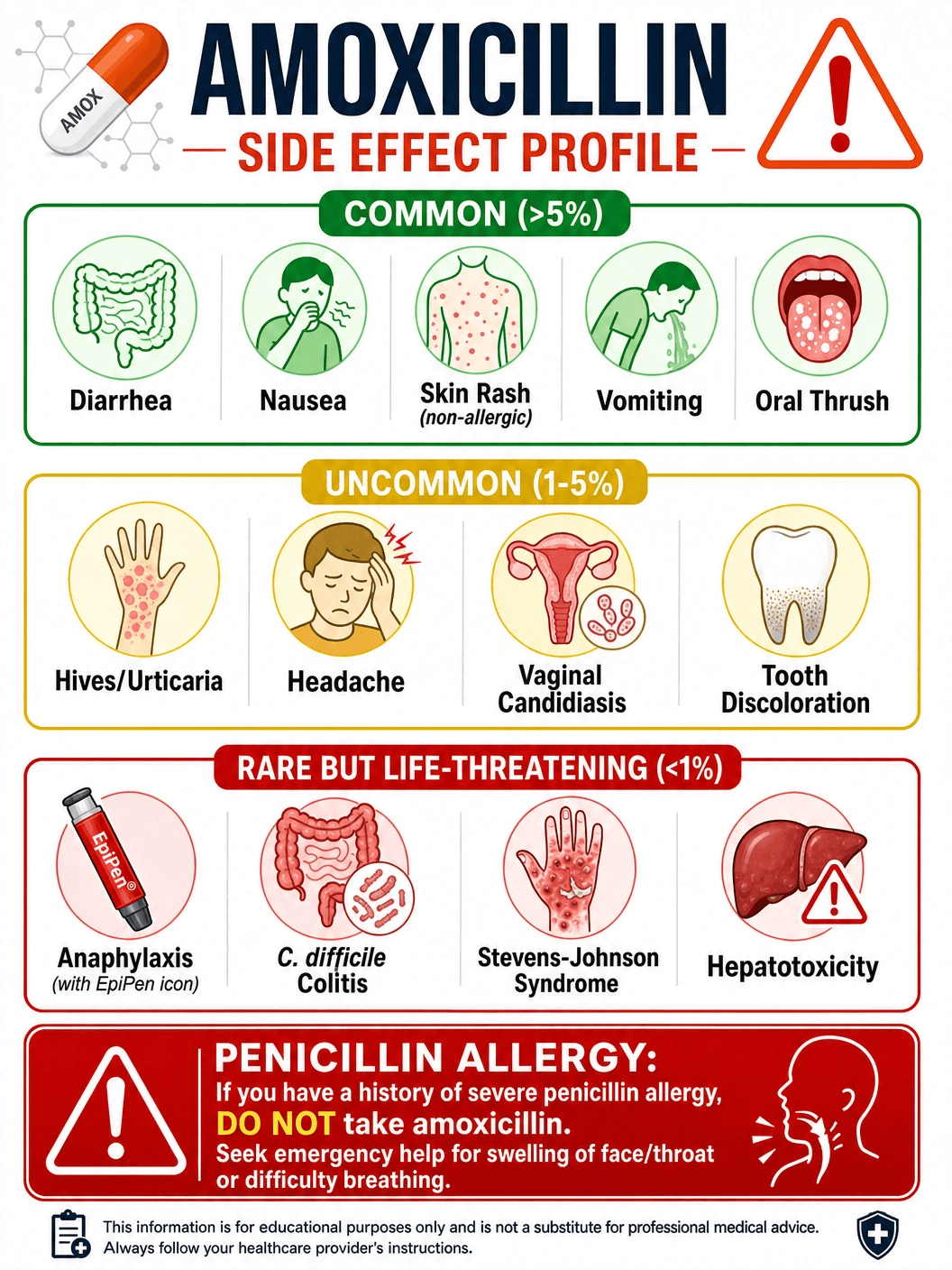
Gastrointestinal Disturbances: The most common side effects of amoxicillin are gastrointestinal in nature. Because amoxicillin is taken orally, it passes through the digestive tract where it can disrupt the normal, healthy balance of gut flora (the microbiome). This disruption frequently leads to nausea, vomiting, and diarrhea. Taking the medication with food can often help mitigate nausea. Mild diarrhea is common and usually resolves after the course of antibiotics is finished.
Antibiotic-Associated Colitis (C. diff): A more severe consequence of gut flora disruption is the overgrowth of a naturally occurring, but potentially dangerous, bacterium called Clostridioides difficile (C. diff). When amoxicillin kills off the 'good' bacteria that normally keep C. diff in check, C. diff can multiply rapidly and release toxins that cause severe inflammation of the colon (colitis). Symptoms include profuse, watery diarrhea, severe abdominal cramping, and fever. This condition requires immediate medical attention and treatment with specific antibiotics targeting C. diff; anti-diarrheal medications should be avoided as they can trap the toxins in the colon.
Yeast Infections (Candidiasis): The disruption of normal flora is not limited to the gut. Amoxicillin can also alter the balance of microorganisms in the mouth and vagina, leading to an overgrowth of the fungus Candida albicans. This can result in oral thrush (white patches in the mouth and throat) or vaginal yeast infections (characterized by intense itching and a thick, white discharge).
Allergic Reactions and Anaphylaxis: The most critical risk associated with amoxicillin is the potential for severe allergic reactions. Penicillin allergy is the most commonly reported drug allergy. While many people who report a penicillin allergy are not truly allergic, true IgE-mediated hypersensitivity can be life-threatening. Symptoms of a mild allergic reaction include skin rashes (maculopapular or urticarial/hives) and itching. However, a severe reaction can rapidly progress to anaphylaxis, characterized by swelling of the face, lips, tongue, and throat (angioedema), severe difficulty breathing, a sudden drop in blood pressure, and shock. Anaphylaxis is a medical emergency requiring immediate administration of epinephrine.
Severe Cutaneous Adverse Reactions (SCARs): In very rare cases, amoxicillin can trigger severe, potentially fatal skin reactions, such as Stevens-Johnson Syndrome (SJS) or Toxic Epidermal Necrolysis (TEN). These conditions typically begin with flu-like symptoms followed by a painful red or purplish rash that spreads and blisters, eventually causing the top layer of skin to die and shed. Any patient developing a widespread rash with blisters or mucosal involvement while taking amoxicillin must seek emergency care immediately.
Contraindications and Drug Interactions
Amoxicillin is strictly contraindicated in patients with a history of severe hypersensitivity reactions (e.g., anaphylaxis, SJS) to amoxicillin or any other penicillin-class antibacterial. It should also be used with extreme caution in patients with a history of allergy to cephalosporins (another class of beta-lactam antibiotics), as there is a risk of cross-reactivity.
Key Drug Interactions:
- Probenecid: This medication, often used to treat gout, decreases the renal tubular secretion of amoxicillin. Concurrent use results in increased and prolonged blood levels of amoxicillin. While sometimes used intentionally to boost antibiotic levels for severe infections, it requires careful monitoring.
- Oral Contraceptives: There is a long-standing, though somewhat controversial, concern that broad-spectrum antibiotics like amoxicillin may alter the gut flora responsible for the reabsorption of estrogens, potentially reducing the efficacy of oral birth control pills. While the absolute risk is considered low, many healthcare providers advise using a backup non-hormonal method of contraception (like condoms) while taking amoxicillin and for a short period afterward.
- Allopurinol: Taking amoxicillin concurrently with allopurinol (another gout medication) significantly increases the incidence of skin rashes compared to taking amoxicillin alone.
- Anticoagulants (Warfarin): Amoxicillin can alter the gut flora that produce Vitamin K, which is essential for blood clotting. This can potentiate the effects of oral anticoagulants like warfarin, leading to an increased risk of bleeding. Patients on warfarin may require more frequent monitoring of their INR (blood clotting time) while taking amoxicillin.
Available Dosages and Administration Guidelines
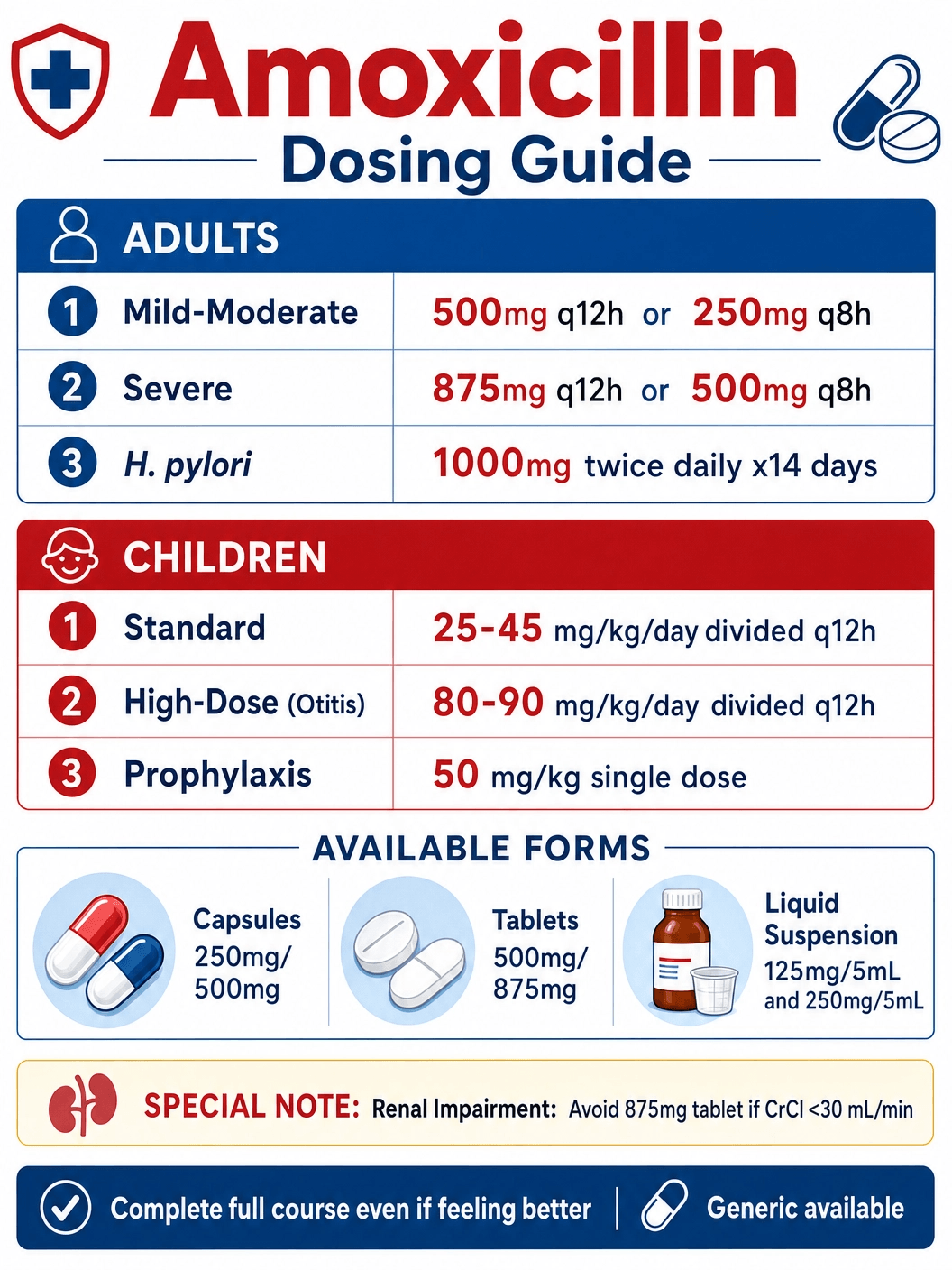
Amoxil (amoxicillin) is available in a variety of formulations to accommodate different patient needs, particularly the distinction between adults who can swallow pills and children who require liquid medication. The available forms include capsules (typically 250 mg and 500 mg), tablets (typically 500 mg and 875 mg), chewable tablets, and powder for oral suspension (liquid).
The dosage of amoxicillin is highly variable and depends entirely on the type and severity of the infection, as well as the patient's age, weight, and renal function. It is crucial to take the medication exactly as prescribed, at evenly spaced intervals, to maintain a consistent level of the antibiotic in the bloodstream.
Standard Adult Dosing
For most mild to moderate infections (such as typical ear, nose, and throat infections, or uncomplicated skin infections) in adults and children weighing more than 40 kg (88 lbs), the standard dosage is usually 500 mg every 12 hours or 250 mg every 8 hours.
For more severe infections, or infections caused by less susceptible organisms (such as lower respiratory tract infections), the dosage is typically increased to 875 mg every 12 hours or 500 mg every 8 hours.
Pediatric Dosing (Weight-Based)
For infants and children weighing less than 40 kg, the dosage must be carefully calculated based on their body weight to ensure efficacy and prevent toxicity. The liquid suspension is almost always used for this population.
For mild to moderate infections, the typical pediatric dose is 20 to 40 mg/kg/day, divided into equal doses given every 8 hours, or 25 to 45 mg/kg/day divided into equal doses given every 12 hours.
For severe infections, or specifically for acute otitis media (where higher doses are often required to penetrate the middle ear fluid effectively), the dosage is frequently increased to 80 to 90 mg/kg/day, divided into equal doses given every 12 hours.
Special Dosing Considerations
H. pylori Eradication: When used as part of a triple therapy regimen for H. pylori, the adult dose of amoxicillin is typically very high: 1000 mg (1 gram) taken twice daily for 10 to 14 days, alongside a proton pump inhibitor and clarithromycin.
Endocarditis Prophylaxis: For adults requiring prophylaxis before a dental procedure, the standard dose is a single 2000 mg (2 grams) dose taken 30 to 60 minutes before the procedure. For children, the prophylactic dose is 50 mg/kg.
Renal Impairment: Because amoxicillin is primarily excreted by the kidneys, patients with severe renal impairment (creatinine clearance less than 30 mL/min) require dosage adjustments. The 875 mg tablet should not be used in patients with severe renal impairment. Dosing intervals are typically extended (e.g., from every 8 hours to every 12 or 24 hours) to prevent the drug from accumulating to toxic levels.
Generic vs. Brand Name Amoxil
Amoxil was originally developed and patented by Beecham (now part of GlaxoSmithKline) in the 1970s. However, the patent for amoxicillin expired decades ago. Today, the vast majority of amoxicillin dispensed worldwide is in its generic form.
Bioequivalence and Efficacy: Generic amoxicillin is manufactured by numerous pharmaceutical companies globally. By law, these generic versions must be bioequivalent to the original brand-name Amoxil. This means they contain the exact same active ingredient (amoxicillin trihydrate), in the same dosage, and must be absorbed into the bloodstream at the same rate and extent. Clinically, there is no difference in efficacy or safety between brand-name Amoxil and generic amoxicillin.
Cost and Availability: The primary difference is cost. Generic amoxicillin is incredibly inexpensive to produce and purchase, often costing only a few dollars for a full course of treatment. Because of its low cost and identical efficacy, pharmacies will almost universally dispense generic amoxicillin unless a physician specifically mandates the brand name (which is exceedingly rare for this medication). In many regions, the brand name 'Amoxil' is no longer actively marketed, and 'amoxicillin' is the only term used.
Purchasing Amoxicillin: Cost, Insurance, and Legal Acquisition
Amoxicillin is a prescription-only medication. It is illegal and highly dangerous to purchase or use amoxicillin without a valid prescription from a licensed healthcare provider.
Insurance Coverage: Because it is a generic, essential medication, amoxicillin is covered by virtually all health insurance plans, Medicare, and Medicaid. It is almost always placed on the lowest cost-sharing tier (Tier 1). Even without insurance, the cash price for a standard course of amoxicillin is typically very low, often under $10 at most major pharmacies when using a discount card.
The Dangers of Self-Medication: It is critical not to use leftover amoxicillin from a previous illness or to share the medication with others. Using antibiotics without a proper medical diagnosis can lead to ineffective treatment (if the illness is viral, not bacterial), unnecessary side effects, and, most importantly, contributes to the global crisis of antibiotic resistance. Always complete the full course of antibiotics exactly as prescribed, even if symptoms improve before the medication is finished, to ensure the infection is completely eradicated.
The Critical Issue of Antibiotic Resistance
The greatest threat to the continued efficacy of amoxicillin is the rise of antibiotic resistance. Bacteria are highly adaptable organisms. When exposed to antibiotics, particularly when the antibiotics are used improperly (e.g., for viral infections like the common cold, or when a course is not completed), the bacteria can mutate or acquire genes that render the antibiotic ineffective.
Beta-Lactamase Production: The most common mechanism of resistance to amoxicillin is the production of beta-lactamase enzymes by the bacteria. These enzymes act like molecular scissors, cutting open the beta-lactam ring of the amoxicillin molecule before it can bind to the cell wall, rendering the drug completely useless. Bacteria such as Staphylococcus aureus and many strains of Haemophilus influenzae and E. coli are now frequently resistant to amoxicillin due to beta-lactamase production.
Combating Resistance: To combat this specific type of resistance, pharmaceutical companies developed clavulanate potassium, a beta-lactamase inhibitor. When combined with amoxicillin (creating the drug Augmentin), the clavulanate acts as a decoy, binding to and neutralizing the beta-lactamase enzymes, allowing the amoxicillin to successfully attack the bacterial cell wall. However, the broader fight against antibiotic resistance requires responsible prescribing by physicians (Antibiotic Stewardship Programs) and strict adherence to prescribed regimens by patients.
Amoxicillin in Pregnancy and Breastfeeding
Amoxicillin is generally considered one of the safest antibiotics to use during pregnancy and while breastfeeding, making it a crucial therapeutic option for maternal infections.
Pregnancy: The FDA classifies amoxicillin as a Pregnancy Category B medication. This means that extensive animal reproduction studies have failed to demonstrate a risk to the fetus, and while there are no perfectly controlled studies in pregnant women, decades of widespread clinical use have not revealed any significant association between amoxicillin use and birth defects or adverse pregnancy outcomes. It is frequently prescribed for UTIs, respiratory infections, and other bacterial illnesses during all trimesters of pregnancy.
Breastfeeding: Amoxicillin is excreted into human breast milk in very small amounts. It is generally considered safe for use in nursing mothers by the American Academy of Pediatrics. The most common potential side effect for the nursing infant is a mild disruption of their gut flora, which might lead to temporary diarrhea or a minor diaper rash (candidiasis). Mothers should monitor their infants for these mild effects, but the benefits of treating the mother's infection usually far outweigh the minimal risks to the infant.
Government and Regulatory Resources
For authoritative, up-to-date information regarding Amoxil (amoxicillin), its approved uses, safety warnings, and clinical guidelines, please consult the following official resources:
- FDA Prescribing Information for Amoxil - The official, comprehensive label detailing indications, warnings, and clinical pharmacology.
- Drugs.com: Amoxicillin Overview - Comprehensive patient and professional drug information.
- Mayo Clinic: Amoxicillin (Oral Route) - Detailed patient education on uses, side effects, and precautions.
- NCBI StatPearls: Amoxicillin - A detailed clinical and pharmacological overview for healthcare professionals.
Editorial Review & Medical Sources
This guide is for informational purposes and does not constitute medical advice. Content is based on clinical data from the FDA, the National Institutes of Health (NIH), and the Mayo Clinic. Medical Reviewer: Dr. Sanjai Sinha, MD. Primary Sources: FDA Prescribing Information, StatPearls Clinical Database (NCBI).
The History and Evolution of Penicillins
To truly understand the significance of amoxicillin, one must look back at the history of antibiotics. The story begins with Alexander Fleming's accidental discovery of penicillin in 1928, derived from the Penicillium mold. This original penicillin (Penicillin G) revolutionized medicine, saving countless lives during World War II. However, Penicillin G had significant limitations: it was poorly absorbed when taken orally (requiring painful injections), it had a narrow spectrum of activity (mostly Gram-positive bacteria), and it was rapidly excreted from the body.
In the 1950s and 60s, scientists at Beecham Research Laboratories began modifying the basic penicillin molecule to overcome these limitations. They first developed ampicillin, an 'aminopenicillin' that had a broader spectrum of activity, including some Gram-negative bacteria. However, ampicillin still suffered from relatively poor oral absorption, leading to frequent gastrointestinal side effects as unabsorbed drug disrupted the gut flora.
The breakthrough came in 1972 with the development of amoxicillin. By adding a single hydroxyl group to the ampicillin molecule, scientists dramatically improved its oral bioavailability. Amoxicillin is absorbed much more rapidly and completely from the gastrointestinal tract than ampicillin. This means higher, more effective levels of the drug reach the bloodstream and the site of infection, while less drug remains in the gut to cause diarrhea. This superior pharmacokinetic profile quickly made amoxicillin the preferred oral aminopenicillin, a status it holds to this day.
Amoxicillin in Veterinary Medicine
The efficacy and safety profile of amoxicillin extend beyond human medicine; it is also a cornerstone of veterinary pharmacology. Veterinarians frequently prescribe amoxicillin to treat a wide variety of bacterial infections in companion animals, particularly dogs and cats.
Common Veterinary Uses: In dogs and cats, amoxicillin is commonly used to treat skin infections (such as abscesses from bite wounds), respiratory tract infections, and urinary tract infections. Just as in humans, it is often combined with clavulanate potassium (sold under veterinary brand names like Clavamox) to overcome beta-lactamase-producing bacteria, which are frequently encountered in animal skin and soft tissue infections.
Dosage and Administration in Animals: Veterinary dosing is strictly weight-based. It is crucial that pet owners never administer human formulations of amoxicillin to their animals without explicit veterinary direction. Human formulations may contain inactive ingredients (excipients) like xylitol (an artificial sweetener sometimes used in liquid suspensions) that are highly toxic, and potentially fatal, to dogs. Furthermore, the dosage required for an animal is vastly different from that of a human, and incorrect dosing can lead to treatment failure or severe toxicity.
The Role of Amoxicillin in Dental Practice
Dentistry is another field where amoxicillin plays a vital role, both in treating active infections and in preventing potentially life-threatening complications.
Treating Odontogenic Infections: Dental infections, such as severe tooth abscesses or advanced periodontitis, are typically polymicrobial, meaning they involve a mix of different bacteria, often including both aerobic and anaerobic species. While penicillin V was historically the drug of choice, amoxicillin is now frequently preferred due to its broader spectrum and better oral absorption. For severe dental infections, especially those that do not respond to amoxicillin alone, dentists may prescribe amoxicillin-clavulanate or combine amoxicillin with metronidazole to ensure comprehensive coverage against anaerobic bacteria.
Prophylaxis for Vulnerable Patients: As mentioned earlier, the most critical use of amoxicillin in dentistry is prophylactic. The mouth is teeming with bacteria. Routine dental procedures, such as extractions, root canals, or even aggressive scaling, can cause transient bacteremia—a temporary presence of bacteria in the bloodstream. In a healthy individual, the immune system quickly clears these bacteria. However, in patients with specific cardiac conditions (like artificial heart valves or a history of infective endocarditis), these bacteria can adhere to the heart tissue and cause a devastating infection. A high dose of amoxicillin taken shortly before the procedure provides a spike of antibiotic in the blood, killing the bacteria before they can establish an infection on the heart valves.
Storage, Handling, and Disposal
Proper storage and handling of amoxicillin are essential to maintain its chemical stability and ensure its clinical efficacy.
Capsules and Tablets: Solid oral dosage forms (capsules and tablets) should be stored at room temperature, typically between 20°C and 25°C (68°F to 77°F). They must be kept in a tightly closed container, protected from excessive moisture, light, and heat. Storing them in a bathroom medicine cabinet is often discouraged due to the high humidity and temperature fluctuations caused by showers.
Oral Suspension (Liquid): The powder for oral suspension is mixed with water by the pharmacist at the time of dispensing. Once reconstituted, the liquid amoxicillin is generally stable for 14 days. While refrigeration is not strictly required for all brands of amoxicillin suspension, it is highly recommended. Refrigeration improves the taste (making it more palatable for children) and helps ensure maximum stability. Any unused liquid suspension must be discarded after 14 days, as the active ingredient degrades and loses its potency.
Safe Disposal: Unused or expired amoxicillin should never be flushed down the toilet or poured down the drain, as this contributes to environmental contamination and the development of antibiotic resistance in environmental bacteria. The best method of disposal is through a community drug take-back program. If a take-back program is unavailable, the medication should be mixed with an unpalatable substance (like coffee grounds or kitty litter), placed in a sealed plastic bag, and thrown in the household trash.
Amoxicillin and the Microbiome: Long-Term Considerations
While amoxicillin is incredibly effective at targeting pathogenic bacteria, its moderate-spectrum nature means it inevitably causes collateral damage to the human microbiome—the trillions of beneficial bacteria that reside primarily in the gut, but also on the skin and in the respiratory and urogenital tracts. The medical community is increasingly recognizing the profound importance of the microbiome in overall health, immune function, and even mental well-being.
Short-Term Disruption: As discussed regarding side effects, the immediate consequence of this disruption is often gastrointestinal distress. When amoxicillin eliminates large populations of beneficial gut bacteria, it reduces the gut's ability to ferment complex carbohydrates, leading to osmotic diarrhea. It also creates an ecological vacuum, allowing opportunistic pathogens like Candida albicans (yeast) or Clostridioides difficile to flourish.
Long-Term Ecological Shifts: Research indicates that the effects of a single course of amoxicillin on the microbiome can persist long after the medication is stopped. While the gut flora generally begins to recover within weeks, some studies suggest that the precise composition and diversity of the microbiome may remain altered for months or even years. Certain vulnerable bacterial species may be permanently eradicated from an individual's gut ecosystem.
Potential Systemic Impacts: The long-term consequences of these ecological shifts are a subject of intense ongoing research. There is emerging evidence suggesting that repeated exposure to antibiotics, particularly in early childhood when the microbiome is still developing, may be associated with an increased risk of developing atopic conditions (like asthma, eczema, and allergies), autoimmune diseases, and even metabolic disorders such as childhood obesity. The hypothesis is that the disruption of the microbiome alters the normal development and calibration of the immune system.
Probiotics and Recovery: To mitigate this damage, many healthcare providers recommend the concurrent use of probiotics (live beneficial bacteria) during and after a course of amoxicillin. Strains such as Lactobacillus rhamnosus and the beneficial yeast Saccharomyces boulardii have shown efficacy in reducing the incidence of antibiotic-associated diarrhea. However, probiotics should be taken at least two hours apart from the amoxicillin dose to prevent the antibiotic from simply killing the probiotic bacteria before they can colonize the gut.
The Pharmacokinetics of Amoxicillin
Understanding how the human body processes amoxicillin—its pharmacokinetics—is crucial for determining the correct dosage and dosing intervals to ensure clinical success.
Absorption: Amoxicillin is notable for its rapid and extensive absorption from the gastrointestinal tract. Unlike ampicillin, its absorption is not significantly impaired by the presence of food in the stomach. After oral administration, peak concentrations of amoxicillin in the blood serum are typically reached within 1 to 2 hours. This rapid absorption is why patients often begin to feel symptomatic relief relatively quickly.
Distribution: Once in the bloodstream, amoxicillin diffuses readily into most body tissues and fluids. It achieves therapeutic concentrations in the middle ear fluid (crucial for treating otitis media), bronchial secretions, sputum, and pleural fluid (crucial for respiratory infections). However, it does not readily cross the blood-brain barrier into the cerebrospinal fluid unless the meninges (the membranes surrounding the brain and spinal cord) are actively inflamed, as in the case of meningitis.
Metabolism and Excretion: Amoxicillin undergoes very little metabolism in the liver. The vast majority of the drug—approximately 60% to 80% of an oral dose—is excreted unchanged in the urine within 6 to 8 hours. This high concentration of active antibiotic in the urine is what makes amoxicillin effective for treating susceptible urinary tract infections. The biological half-life of amoxicillin (the time it takes for the concentration in the blood to decrease by half) is relatively short, approximately 61.3 minutes in adults with normal kidney function. This short half-life necessitates frequent dosing (every 8 or 12 hours) to maintain the drug concentration above the Minimum Inhibitory Concentration (MIC) required to kill the bacteria.
Amoxil Quick View
| Active Ingredient | Amoxicillin Trihydrate |
|---|---|
| Manufacturer | Various (Generic) |
| Type | Beta-Lactam Antibiotic (Aminopenicillin) |
| Onset | Peak plasma concentration in 1-2 hours |
| Duration | Biological half-life ~61 minutes (requires frequent dosing) |
| Food Interaction | Can be taken with or without food |
| Alcohol | No direct interaction, but alcohol can worsen side effects and delay recovery |
| Prescription | Required |
Amoxil Side Effects
Common Side Effects
- Nausea and vomiting.
- Diarrhea (antibiotic-associated).
- Skin rash (maculopapular).
- Vaginal yeast infection (candidiasis).
- Oral thrush.
Uncommon Side Effects
- Hives (urticaria).
- Dizziness or headache.
- Tooth discoloration (mostly in children, usually reversible).
Rare Side Effects
- Anaphylaxis (severe allergic reaction).
- Clostridioides difficile (C. diff) associated diarrhea.
- Stevens-Johnson Syndrome (severe skin reaction).
- Hepatotoxicity (liver damage).
Important Warning: CRITICAL SAFETY WARNING: If you experience swelling of the face/throat, severe difficulty breathing, or a widespread blistering rash, seek emergency medical attention immediately. These are signs of a life-threatening allergic reaction.
More Information About Amoxil
Storage
Store capsules/tablets at room temperature away from moisture. Liquid suspension should ideally be refrigerated and discarded after 14 days.
Contraindications
Strictly contraindicated in patients with a history of severe allergic reactions (e.g., anaphylaxis) to any penicillin antibiotic.
Drug Interactions
Interacts with probenecid (increases amoxicillin levels), allopurinol (increases rash risk), and may potentiate the effects of oral anticoagulants like warfarin.
Amoxil FAQs
No. You must complete the entire prescribed course of antibiotics, even if your symptoms disappear. Stopping early can allow surviving bacteria to multiply and develop resistance to the antibiotic, making future infections much harder to treat.
No. Amoxicillin is an antibacterial medication. It is completely ineffective against viruses, which cause the common cold, influenza, and most sore throats and acute bronchitis.
Amoxicillin can be taken with or without food. However, taking it with a meal or a snack can significantly reduce the likelihood of experiencing nausea or stomach upset.
Take the missed dose as soon as you remember. However, if it is almost time for your next scheduled dose, skip the missed dose and continue with your regular schedule. Do not take a double dose to make up for a missed one.
There is no direct, dangerous chemical interaction between amoxicillin and alcohol (unlike some other antibiotics like metronidazole). However, drinking alcohol can worsen side effects like nausea and dizziness, and it can weaken your immune system, delaying your recovery from the infection.
Augmentin contains amoxicillin combined with clavulanate potassium. Clavulanate protects the amoxicillin from being destroyed by beta-lactamase enzymes produced by certain resistant bacteria. Your doctor prescribed Augmentin because they suspect your infection is caused by these resistant bacteria.
Written and Reviewed by Our Qualified Team

Find out more about our medical content authors and how we ensure the accuracy of our content.
Content last updated: 21 May 2026
Amoxil Reviews
Based on 84 reviews
This was prescribed for my urinary tract infection. Very effective medication. Didn't experience any of the common side effects. Highly recommend following the doctor's instructions.
Used Amoxil for an ear infection. It handled the infection perfectly. Completely side-effect free for me. Really thankful for this medication.
Amoxil was given to me for a chest infection. Very effective medication. It didn't upset my digestive system at all. Trust this medication completely.
Took Amoxil for a stubborn sinus issue. It did exactly what it was supposed to do. No side effects at all. Highly recommend following the doctor's instructions.
I used this medication for a bacterial infection. It did exactly what it was supposed to do. Tolerated it very well. I'm very happy with how well it worked.
Prescribed for a lower respiratory tract infection. Started feeling better within 48 hours. Taking it with meals prevented any nausea. It's a reliable antibiotic.
I had a really bad throat infection and took this. It worked incredibly fast. Had some mild stomach upset, but taking it with food helped. Would definitely take it again if needed.
Got this for a persistent respiratory infection. I noticed a huge improvement after just a few doses. A little bit of nausea on the first day, but it went away. I would not hesitate to use it again.
Prescribed for a lower respiratory tract infection. The relief was almost immediate. Had some mild stomach upset, but taking it with food helped. I would not hesitate to use it again.
This was prescribed for my urinary tract infection. I was back to normal in no time. No side effects at all. Overall, a very positive experience.
My physician recommended Amoxil for my tonsillitis. It started working right away. Had some mild stomach upset, but taking it with food helped. Saved me from a lot of pain.
I was prescribed Amoxil for a severe sinus infection. Worked like a charm. Completely side-effect free for me. Trust this medication completely.
I was prescribed Amoxil for a severe sinus infection. Worked like a charm. Had some mild stomach upset, but taking it with food helped. It did the job perfectly.
I had a really bad throat infection and took this. It handled the infection perfectly. No side effects at all. I'm very happy with how well it worked.
I had a really bad throat infection and took this. Such a fast-acting antibiotic. Had some mild stomach upset, but taking it with food helped. It did the job perfectly.
I had a really bad throat infection and took this. I was back to normal in no time. No side effects at all. It's a reliable antibiotic.
Amoxil was given to me for a chest infection. It knocked out the infection quickly. Tolerated it very well. I would not hesitate to use it again.
Took this for a tooth infection. I noticed a huge improvement after just a few doses. No side effects at all. Saved me from a lot of pain.
Took this for a tooth infection. By the third day, my symptoms were mostly gone. A little bit of nausea on the first day, but it went away. Great antibiotic overall.
Used Amoxil for an ear infection. I felt a difference by the second day. Didn't experience any of the common side effects. Trust this medication completely.
Amoxil was given to me for a chest infection. By the third day, my symptoms were mostly gone. I had zero gastrointestinal issues. Would definitely take it again if needed.
This was prescribed for my urinary tract infection. I was back to normal in no time. Had some mild stomach upset, but taking it with food helped. Would definitely take it again if needed.
Took Amoxil for a stubborn sinus issue. Started feeling better within 48 hours. Easy to swallow and didn't cause any issues. I'm very happy with how well it worked.
My dentist prescribed this after a tooth extraction. Such a fast-acting antibiotic. Very gentle on my stomach compared to other antibiotics. Great antibiotic overall.
I was prescribed Amoxil for a severe sinus infection. I noticed a huge improvement after just a few doses. Taking it with meals prevented any nausea. Make sure to finish the whole course!
Used Amoxil for an ear infection. Such a fast-acting antibiotic. Very gentle on my stomach compared to other antibiotics. I would not hesitate to use it again.
Took this for a tooth infection. I was back to normal in no time. A little bit of nausea on the first day, but it went away. Highly recommend following the doctor's instructions.
Used Amoxil for an ear infection. Worked like a charm. Didn't experience any of the common side effects. Very satisfied with the results.
Took this for a tooth infection. The relief was almost immediate. Didn't experience any of the common side effects. It's a reliable antibiotic.
Took this for a tooth infection. I noticed a huge improvement after just a few doses. Didn't experience any of the common side effects. Really thankful for this medication.
I used this medication for a bacterial infection. I noticed a huge improvement after just a few doses. No issues whatsoever. Glad my doctor chose this one.
This was prescribed for my urinary tract infection. I noticed a huge improvement after just a few doses. No side effects at all. Highly recommend following the doctor's instructions.
I was prescribed Amoxil for a severe sinus infection. It did exactly what it was supposed to do. No issues whatsoever. I would not hesitate to use it again.
My doctor gave me Amoxil for strep throat. Worked like a charm. A little bit of nausea on the first day, but it went away. It did the job perfectly.
Amoxil was given to me for a chest infection. It did exactly what it was supposed to do. Easy to swallow and didn't cause any issues. A lifesaver when you really need it.
My physician recommended Amoxil for my tonsillitis. It did exactly what it was supposed to do. Had some mild stomach upset, but taking it with food helped. It did the job perfectly.
Amoxil was given to me for a chest infection. It handled the infection perfectly. I made sure to take probiotics with it, so my stomach was fine. Saved me from a lot of pain.
Used Amoxil for an ear infection. It worked incredibly fast. I made sure to take probiotics with it, so my stomach was fine. I would not hesitate to use it again.
Got this for a persistent respiratory infection. By the third day, my symptoms were mostly gone. It didn't upset my digestive system at all. I would not hesitate to use it again.
Took Amoxil for a stubborn sinus issue. Started feeling better within 48 hours. No bad taste or stomach cramps. Glad my doctor chose this one.
Amoxil was given to me for a chest infection. Started feeling better within 48 hours. No side effects at all. A lifesaver when you really need it.
My physician recommended Amoxil for my tonsillitis. The relief was almost immediate. It didn't upset my digestive system at all. A lifesaver when you really need it.
Had a bad skin infection and was given Amoxil. It worked incredibly fast. Very gentle on my stomach compared to other antibiotics. It's a reliable antibiotic.
Took Amoxil for a stubborn sinus issue. It worked incredibly fast. No bad taste or stomach cramps. Make sure to finish the whole course!
Had a bad skin infection and was given Amoxil. By the third day, my symptoms were mostly gone. I had zero gastrointestinal issues. Glad my doctor chose this one.
Used Amoxil for an ear infection. It worked incredibly fast. I had zero gastrointestinal issues. Great antibiotic overall.
Took this for a tooth infection. Very effective medication. No bad taste or stomach cramps. Very satisfied with the results.
Prescribed for a lower respiratory tract infection. It worked incredibly fast. It didn't upset my digestive system at all. Make sure to finish the whole course!
Prescribed for a lower respiratory tract infection. It did exactly what it was supposed to do. I made sure to take probiotics with it, so my stomach was fine. I'm very happy with how well it worked.
I had a really bad throat infection and took this. It knocked out the infection quickly. A little bit of nausea on the first day, but it went away. I would not hesitate to use it again.
Used Amoxil for an ear infection. It knocked out the infection quickly. Very gentle on my stomach compared to other antibiotics. Glad my doctor chose this one.
Took this for a tooth infection. It started working right away. Had some mild stomach upset, but taking it with food helped. I'm very happy with how well it worked.
Prescribed for a lower respiratory tract infection. I noticed a huge improvement after just a few doses. No side effects at all. Very satisfied with the results.
This was prescribed for my urinary tract infection. By the third day, my symptoms were mostly gone. Taking it with meals prevented any nausea. Would definitely take it again if needed.
My physician recommended Amoxil for my tonsillitis. The relief was almost immediate. No issues whatsoever. Would definitely take it again if needed.
Had a bad skin infection and was given Amoxil. It started working right away. No bad taste or stomach cramps. Make sure to finish the whole course!
My physician recommended Amoxil for my tonsillitis. It worked incredibly fast. Taking it with meals prevented any nausea. Really thankful for this medication.
Had a bad skin infection and was given Amoxil. Such a fast-acting antibiotic. No bad taste or stomach cramps. I would not hesitate to use it again.
I used this medication for a bacterial infection. I was back to normal in no time. Tolerated it very well. I would not hesitate to use it again.
My doctor gave me Amoxil for strep throat. Started feeling better within 48 hours. Tolerated it very well. Would definitely take it again if needed.
Prescribed this antibiotic for bronchitis. I noticed a huge improvement after just a few doses. Easy to swallow and didn't cause any issues. I'm very happy with how well it worked.
This was prescribed for my urinary tract infection. Started feeling better within 48 hours. Tolerated it very well. Saved me from a lot of pain.
I was prescribed Amoxil for a severe sinus infection. Started feeling better within 48 hours. Taking it with meals prevented any nausea. I'm very happy with how well it worked.
Took Amoxil for a stubborn sinus issue. Very effective medication. Very gentle on my stomach compared to other antibiotics. It's a reliable antibiotic.
Used Amoxil for an ear infection. Cleared up the infection completely. Felt a bit tired, but the infection cleared up. Really thankful for this medication.
I used this medication for a bacterial infection. It knocked out the infection quickly. It didn't upset my digestive system at all. Would definitely take it again if needed.
Got this for a persistent respiratory infection. It worked incredibly fast. Taking it with meals prevented any nausea. I would not hesitate to use it again.
This was prescribed for my urinary tract infection. The relief was almost immediate. Easy to swallow and didn't cause any issues. It's a reliable antibiotic.
This was prescribed for my urinary tract infection. By the third day, my symptoms were mostly gone. Taking it with meals prevented any nausea. Make sure to finish the whole course!
Prescribed for a lower respiratory tract infection. Worked like a charm. Didn't experience any of the common side effects. Would definitely take it again if needed.
Prescribed this antibiotic for bronchitis. I noticed a huge improvement after just a few doses. Taking it with meals prevented any nausea. A lifesaver when you really need it.
Amoxil was given to me for a chest infection. It handled the infection perfectly. Felt a bit tired, but the infection cleared up. Make sure to finish the whole course!
This was prescribed for my urinary tract infection. I felt a difference by the second day. I had zero gastrointestinal issues. It's a reliable antibiotic.
Took this for a tooth infection. Such a fast-acting antibiotic. No issues whatsoever. I would not hesitate to use it again.
This was prescribed for my urinary tract infection. It started working right away. Easy to swallow and didn't cause any issues. I would not hesitate to use it again.
Prescribed this antibiotic for bronchitis. Cleared up the infection completely. Didn't experience any of the common side effects. It did the job perfectly.
Prescribed this antibiotic for bronchitis. It knocked out the infection quickly. I had zero gastrointestinal issues. It did the job perfectly.
Took Amoxil for a stubborn sinus issue. It started working right away. No side effects at all. I'm very happy with how well it worked.
I was prescribed Amoxil for a severe sinus infection. The relief was almost immediate. Felt a bit tired, but the infection cleared up. It did the job perfectly.
My doctor gave me Amoxil for strep throat. The relief was almost immediate. Tolerated it very well. Make sure to finish the whole course!
Used Amoxil for an ear infection. Such a fast-acting antibiotic. Felt a bit tired, but the infection cleared up. Trust this medication completely.
Prescribed this antibiotic for bronchitis. Cleared up the infection completely. I made sure to take probiotics with it, so my stomach was fine. A lifesaver when you really need it.
I used this medication for a bacterial infection. Very effective medication. No side effects at all. Highly recommend following the doctor's instructions.
Prescribed this antibiotic for bronchitis. The relief was almost immediate. Didn't experience any of the common side effects. Great antibiotic overall.
Leave a Review
How Does It Work?
Research
Read our comprehensive review to understand the medication
Consult Your Doctor
Discuss the medication with your healthcare provider
Get Your Prescription
Obtain a valid prescription from your doctor