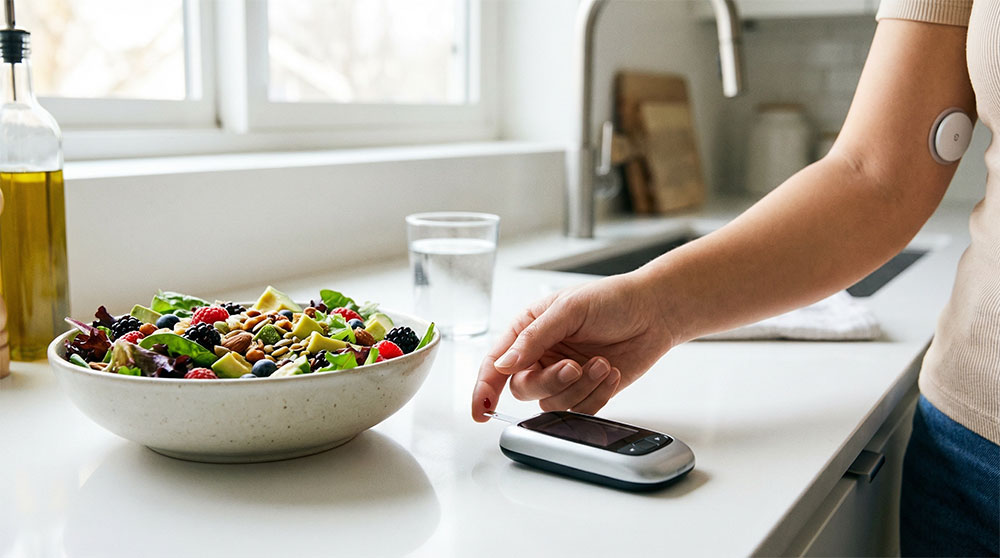
Metformin is often the first-line treatment for Type 2 Diabetes, effectively lowering blood glucose levels and improving insulin sensitivity. However, for many individuals, metformin alone may not be sufficient to achieve optimal glycemic control over time. In 2026, the landscape of diabetes management has expanded significantly, offering a range of advanced therapies that go beyond metformin to provide comprehensive care.
Newer Drug Classes
Several innovative drug classes have emerged, each with unique mechanisms of action and additional benefits:
- **GLP-1 Receptor Agonists (e.g., Ozempic, Trulicity):** These injectable or oral medications stimulate insulin release, suppress glucagon, and slow gastric emptying, leading to significant A1C reduction and often weight loss. They also offer cardiovascular and renal benefits.
- **SGLT2 Inhibitors (e.g., Jardiance, Farxiga):** These drugs work by causing the kidneys to remove more glucose from the body through urine. Beyond glucose control, SGLT2 inhibitors have demonstrated remarkable benefits in reducing the risk of heart failure, kidney disease progression, and cardiovascular events.
- **DPP-4 Inhibitors (e.g., Januvia, Tradjenta):** These oral medications enhance the body's natural ability to lower high blood glucose levels, typically with a low risk of hypoglycemia and a neutral effect on weight.
- **Dual GIP/GLP-1 Receptor Agonists (e.g., Mounjaro):** Representing a newer frontier, these agents combine the benefits of GLP-1 agonists with glucose-dependent insulinotropic polypeptide (GIP) action, offering even more potent glucose lowering and weight management.
Personalized Treatment Approaches
Modern diabetes management emphasizes a personalized approach, tailoring treatment plans to individual patient characteristics, comorbidities, and preferences. Factors such as cardiovascular risk, kidney function, weight status, and risk of hypoglycemia are all considered when selecting therapies beyond metformin.
The Importance of Lifestyle and Monitoring
While advanced medications are powerful tools, lifestyle modifications remain fundamental. A balanced diet, regular physical activity, and weight management continue to be crucial for long-term success. Continuous glucose monitoring (CGM) and regular check-ups with your healthcare team are also vital for optimizing treatment and preventing complications.